Things are heating up this offseason, as many expect there to be plenty of movement across the association. The Oklahoma City Thunder got the ball rolling with their trade of Aaron Wiggins to the Atlanta Hawks, but then the Minnesota Timberwolves kicked the trade season into higher gear by sending Julius Randle and the 28th overall pick to the Brooklyn Nets in a three-team deal also involving the Chicago Bulls.
The Nets, for their troubles, sent the 33rd overall pick of this year’s draft to the Timberwolves as well as starting center Nic Claxton to the Bulls.
Here are the full trade details thus far:
Nets receive: Julius Randle and the No. 28 pick
Bulls receive: Nic Claxton
Timberwolves receive: No. 33 pick, Mouhamadou Gueye
This is quite the interesting pivot from the Timberwolves as they try to get over the hump in Year 5 of the Rudy Gobert era. As long as Anthony Edwards is on the roster, the goal for Minnesota is to contend year-in, year-out. But does this trade help them in that regard, especially when giving up a perennial double-double threat and a playmaking/shot-creating forward in Randle?
Here are preliminary trade grades for all three teams involved in this trade as we await more details regarding the full extent of this deal.
Timberwolves free up space — but to what end?
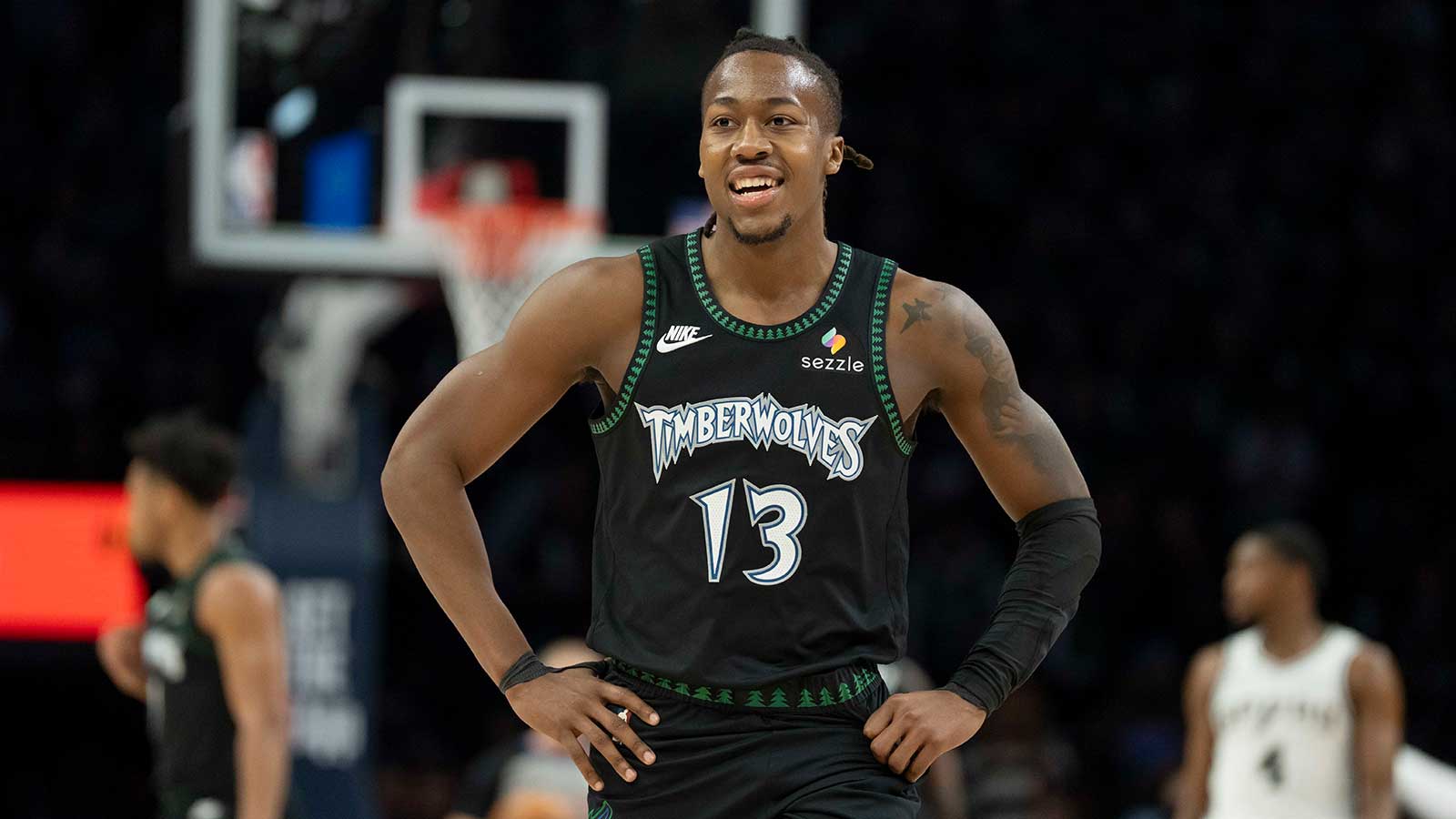
In a trade that will now live forever in Timberwolves infamy, they acquired Randle (and Donte DiVincenzo) in the trade that sent Karl-Anthony Towns to the New York Knicks. Towns is now an NBA champion, while the Timberwolves are now left scrounging for answers as they just simply cannot find a way to get over the hump in the stacked Western Conference.
There was no question at the time that the Timberwolves traded for the worse player in Randle; Randle has never been the most efficient scorer or playmaker, and the fit between him and Gobert in the frontcourt wasn’t ideal, at least on paper. But Minnesota at least made it work.
They went to the Western Conference Finals in Randle’s first year on the team, and they overcame the Denver Nuggets in the first round of this year’s playoffs, only to run into the San Antonio Spurs in the second round.
During his time with the Timberwolves, Randle averaged 20.0 points, 6.9 rebounds, and 4.9 assists on 48/33/80 shooting splits. Those numbers are not bad at all. This makes it a bit perplexing as to why Minnesota would simply decide to dump him to the Nets while giving up the better pick in return.
Sure, Randle’s contract is not very appealing. He’s going to be making $33.3 million next season with a player option worth $35.8 million for the 2027-28 campaign. But it’s not like the Timberwolves are approaching Thunder levels of luxury tax payment.
In fact, prior to the Randle trade, the Timberwolves were well below the luxury tax. They may have needed to dip into the first apron to keep Ayo Dosunmu, but that is simply the price contending for a title requires teams to pay.
With Randle gone, the Timberwolves should have an easier time re-signing Dosunmu as well as replenishing the team’s depth. But losing 20/7/5 per night is no joke, especially from a frontcourt player.
Nonetheless, the Timberwolves simply might be feeling as though it’s time to hand over the power forward reins to Naz Reid. Reid has four more years left on his contract, and it’s not like he’s incapable of stepping into a larger role.
Randle also did not have a very good time in the playoffs; he averaged a paltry 13 and eight in six games against the Spurs on horrid shooting splits of 34/19/73.
It’s hard to fully grade the deal quite yet. A lot of this will be hinging on what Minnesota does moving forward. If they manage to fill the roster with depth, then getting off of Randle’s contract is a huge win. But if they end up swinging and missing in free agency, it’s going to be difficult to justify losing the solid production from Randle on a nightly basis, poor postseason notwithstanding.
Still, the flexibility that the Timberwolves now have with Randle’s contract off the books gives them the opportunity to remodel the roster after seemingly having reached its ceiling these past few seasons.
Grade: B+
Nets on the rise?
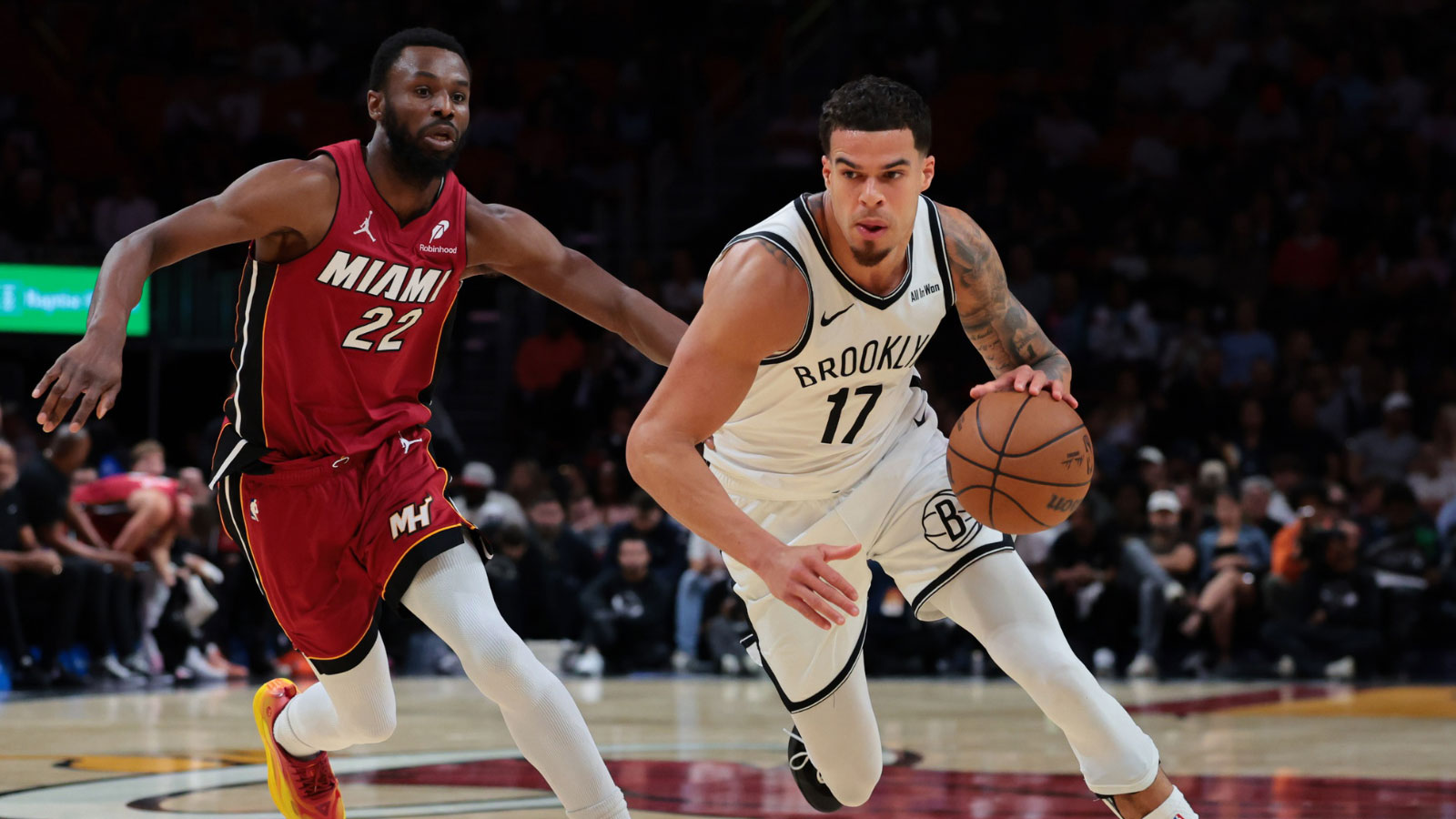
To say that the Nets are in the early stages of a rebuild would be a major understatement. They won 20 games last season, and they don’t have too many established players on the roster.
Michael Porter Jr. is a good player, but the Nets showed this past season just how far a team with him as the best player can go. Beyond Porter, the Nets have too many young players, none of whom have quite separated themselves yet as a long-term keeper. (Egor Demin would beg to differ, but even then, his injury woes were quite concerning.)
With the Nets nowhere near serious contention, they can afford to make moves on the margins which they think can help the team in the long run. Their trade for Randle is one such move. Not only did they take on a former All-Star who knows how to excel in New York, they also moved up five spots in the 2026 NBA Draft by grabbing the 28th overall pick from the Timberwolves’ hands.
Brooklyn has no big name free agents to clear the cupboard for, unlike in 2019, so taking on Randle and his hefty contract is worth the risk. Moreover, Randle at least brings an established sense of winning into a team that is still learning the ropes in the NBA.
Randle has made it to the playoffs every year since 2023. He helped turn the Knicks franchise around, being the building block upon which New York built an eventual championship winning roster.
The ceiling of a Randle-led team may be a first-round playoff exit. But the Nets would take that in a heartbeat right now. The floor Randle provides should bring an air of seriousness to a franchise that doesn’t have an identity quite yet. And it’s not like the Nets are wedded to him; Randle just has two more years left on his contract, so if everything goes south, this experiment should be over soon anyhow.
Grade: A-
Bulls begin to establish defensive identity

For years, the Bulls have struggled defensively, and a lot of that has had to do with the fact that they haven’t had a solid defensive anchor. Nikola Vucevic, for all the positives of his game, is far from the best defender in the world.
Last season, the Bulls finished 22nd in defensive rating, which is not the worst, but leaves plenty of room for improvement. Adding Nic Claxton is mightily beneficial, even though it’s not quite clear yet what Chicago had to give up to bring him in.
Claxton is a lob threat and a very mobile defender, all while being a premier shot-blocker in the association. He is a good fit for a two-man game alongside Josh Giddey, and he at least fills an area of need for new head coach Tiago Splitter’s squad.
Considering how much room the Bulls have under the salary cap, adding Claxton, presumably for cheap, is a good use of resources for a team that’s still looking to accumulate as much talent as possible. He has two years left on his contract worth a total of $44.4 million, which is a fair price to pay for a starting-caliber big man.
This grade can change easily depending on what the Bulls had to give up, but even then, on the surface, this looks like a positive move for Chicago. And with news having come out that the Bulls just gave up little-used guard Mouhamadou Gueye, then this just became an even bigger win.
Grade: A-
The post Julius Randle, Nic Claxton trade grades for Bulls, Timberwolves, Nets appeared first on ClutchPoints.