Superstar Lionel Messi has officially been included in Argentina’s squad for the 2026 World Cup, marking a historic sixth appearance in the tournament.
After leading Argentina to victory during the 2022 World Cup in Qatar, the Inter Miami star returns as Lionel Scaloni’s team aims to become the first nation since Brazil in 1962 to win consecutive World Cups. Although there were concerns about Messi’s fitness following a recent minor issue with Inter Miami, Argentina has confirmed his place in the final 26-man roster.
The squad retains much of the core that triumphed in Qatar, alongside several players now stepping into more prominent roles.
Argentina’s national team approaches the 2026 World Cup not just as sentimental defending champions but as holders of the trophy, facing the pressure of expectations along with one of the most talented attacking groups in the tournament.
Lionel Messi, Forward, Inter Miami (USA)
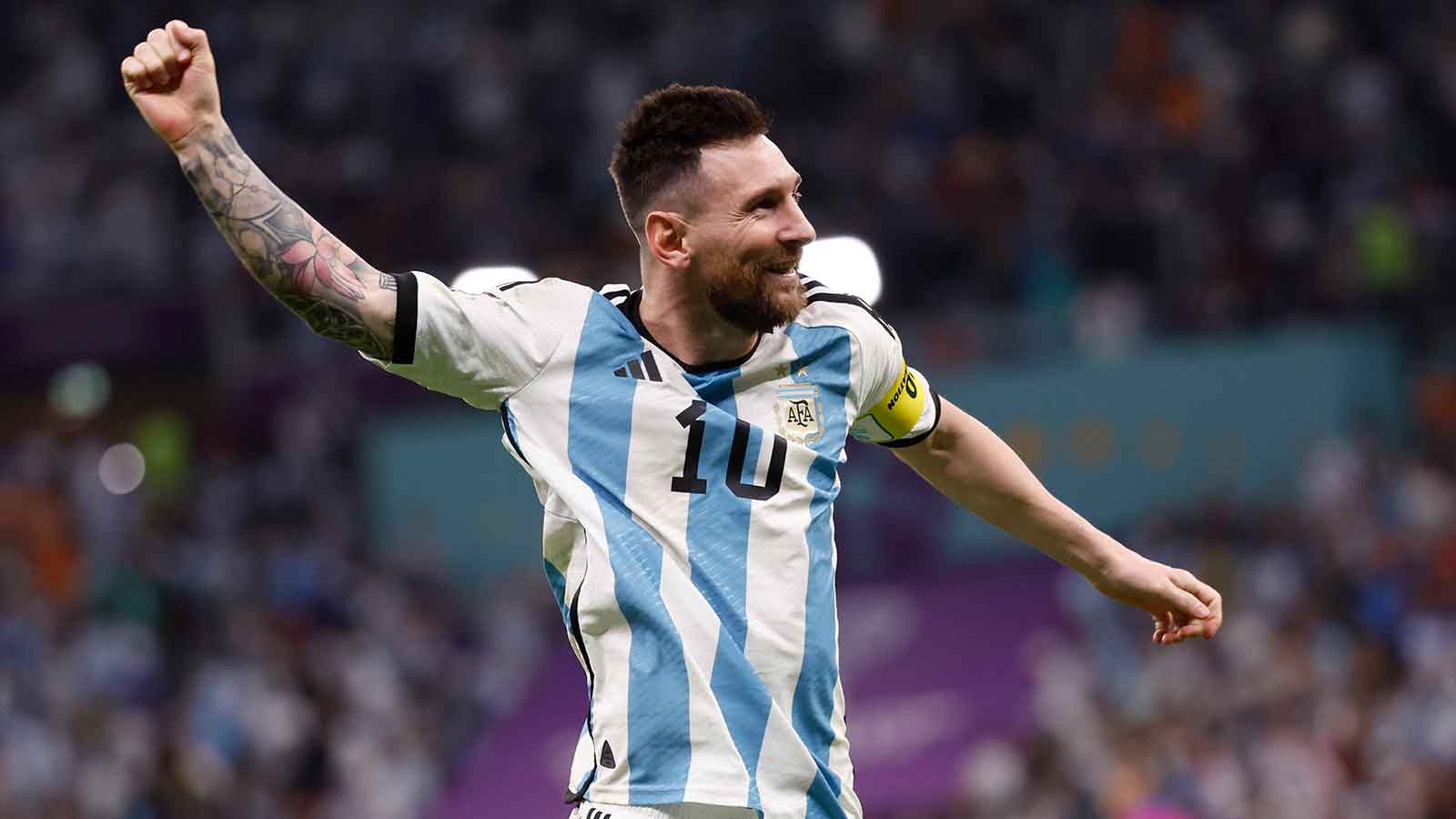
Well, Messi is no longer the player who could press, sprint, and dominate every aspect of a match for 90 minutes, because that version of him has faded. However, the concern for other teams is that Argentina does not need that version anymore, because his name is enough to scare the opponents.
At this stage in his career, Messi is more of a strategic asset in tournaments than a consistent force throughout the season. He can still influence the pace of a match with a single pass, a free kick, or a subtle touch in the final third. His left foot continues to be Argentina’s most significant threat, particularly when opponents defend tightly and force the team to create chances in confined spaces.
The key now is his health and management, as Messi has previously stated that his availability for the 2026 World Cup would depend on his form and physical condition, so his inclusion indicates that Argentina believes he can still make valuable contributions, but Scaloni must be cautious; the group stage should not become a farewell tour focused on overexerting tired legs.
This strategic management could actually benefit Argentina. If Messi is used wisely, surrounded by dynamic runners and supported by a midfield capable of controlling the tempo, he can remain impactful without bearing the entire tactical burden.
His presence also significantly influences how opponents defend, and even at 38, he still attracts defensive attention.
Julian Alvarez, Forward, Atletico Madrid (Spain)
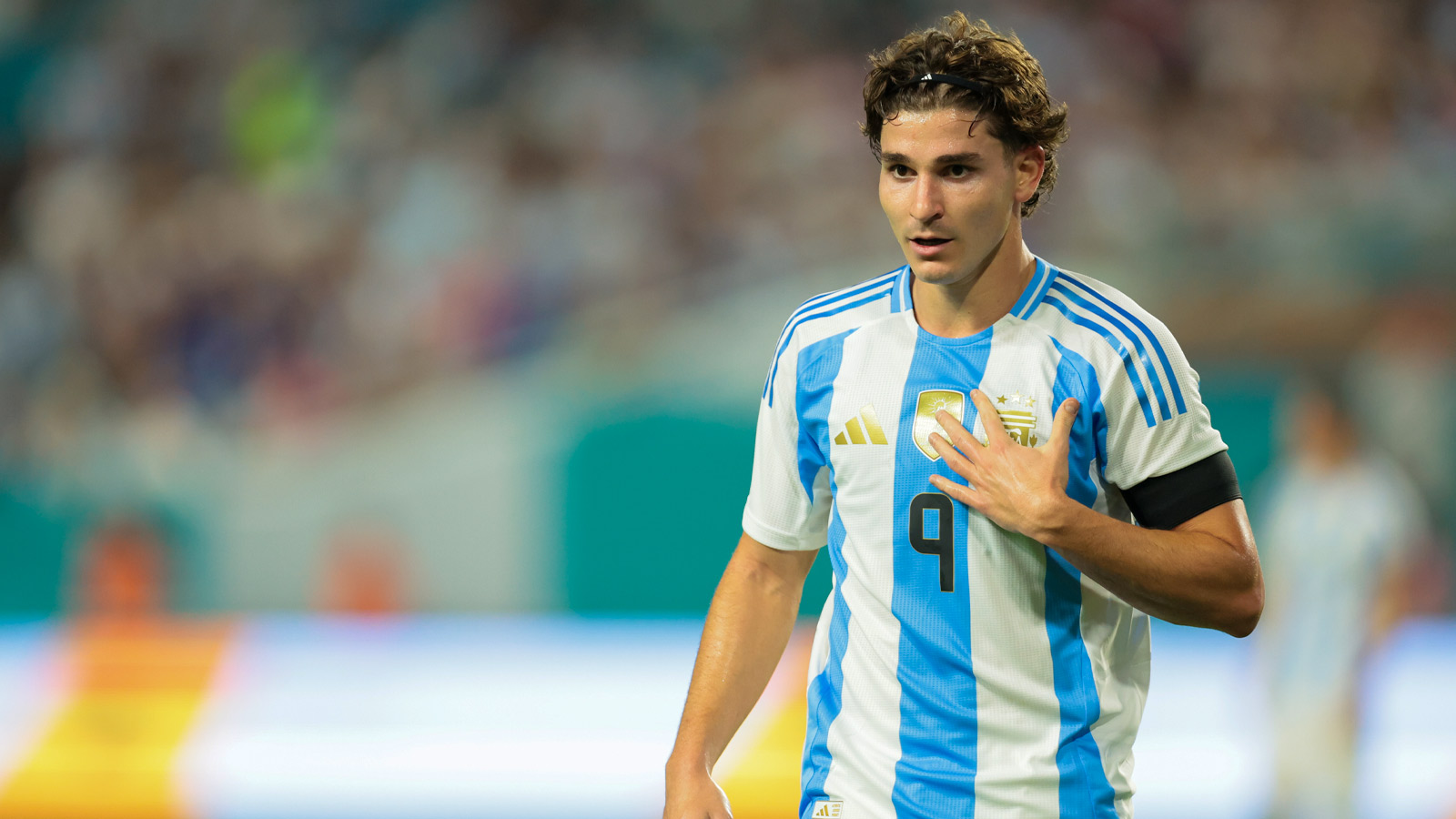
Julian may be the most crucial attacking player in Argentina’s title defense after Messi today. This might sound aggressive, but it makes sense, as he provides Scaloni with a versatile forward capable of scoring, pressing, and intelligently navigating the game without needing the entire attack to revolve around him.
In Qatar, Alvarez emerged as one of the key players in Argentina’s campaign due to his energy and timing.
Four years later, he enters the tournament with greater responsibility and refinement, and his move to Atletico Madrid has enhanced his skills, enabling him to thrive in tighter matches, endure contact, and shoulder more of the attacking load. Of course, this is important for Argentina because Messi requires movement around him, and Alvarez delivers precisely that.
He stretches opposition defenses, chases loose balls, and creates pressing opportunities that help the team regain possession effectively. When more mobility is needed than what Lautaro Martinez provides, Alvarez is the clear choice, but the biggest question surrounding Alvarez is his finishing ability.
He doesn’t need to be the tournament’s top scorer, but he must convert the chances created by Messi, Enzo Fernández, and Alexis Mac Allister, and if he succeeds, Argentina’s attack will become notably more difficult for opponents to contain.
Enzo Fernández, Central Midfielder, Chelsea (England)
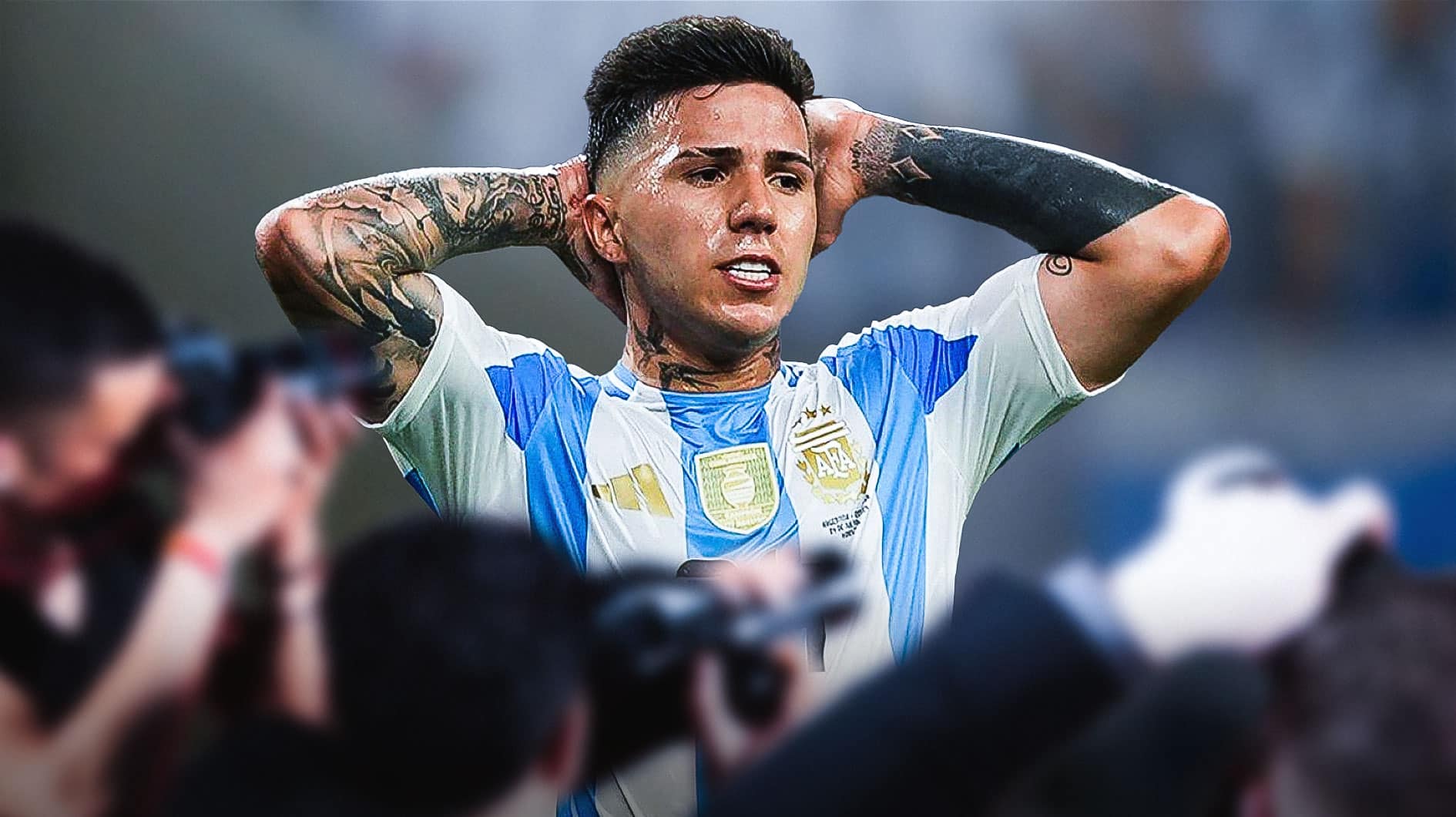
Enzo Fernández arrived at the last World Cup as a rising talent and left it as one of the symbols of Argentina’s future.
As he approaches the 2026 tournament, he is expected to define the midfield rather than just support it. While his role may not be glamorous in terms of highlight-reel moments, it is essential.
Enzo provides Argentina with passing range, ball progression, and the ability to change the pace of a match from deeper positions, and when the champions perform at their best, they rely on more than individual brilliance because they control the midfield, recover second balls, and create space by moving opponents around. This is where Enzo becomes vital.
He possesses the technique to break lines and the courage to play forward under pressure. Furthermore, he offers Scaloni tactical flexibility, as he can function as part of a double pivot or in a more advanced midfield role. With Rodrigo De Paul transitioning to a different phase and Leandro Paredes no longer seen as the future for this position, Enzo’s responsibilities have increased.
The concern is consistency, in the end.
Chelsea can be a demanding environment, and midfielders often carry their club form into major tournaments, whether it’s positive or negative. Argentina needs the best version of Enzo: confident, precise on the ball, and aggressive without being reckless. If he can control matches, Lionel Messi will receive better service, and Argentina will look like a defending champion. However, if he struggles, the team’s overall structure may suffer.
Cristian Romero, Center Back, Tottenham Hotspur (England)
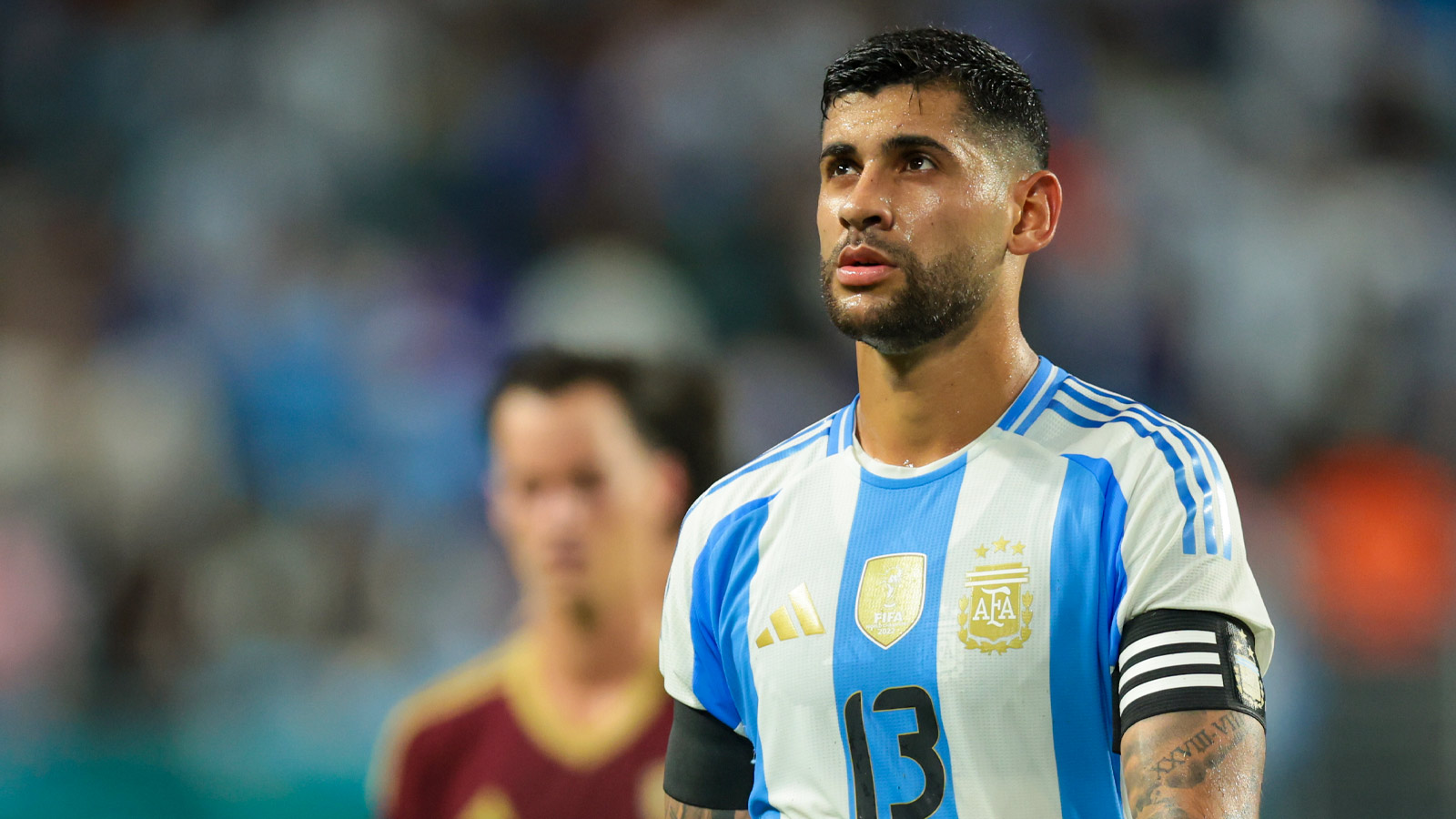
Every great Argentina team needs toughness in defense, and Cristian Romero embodies that. The Tottenham captain and center back is aggressive, physical, and occasionally risky, making him both indispensable and dangerous.
Romero’s value extends beyond just tackles and clearances because he enables Argentina to defend confidently, as he can step forward, challenge early, and win duels before they escalate. A center back like him is invaluable in tournament football, especially for a team expected to control possession while also facing counterattacks.
His partnership with Lisandro Martinez provides Scaloni with both toughness and character at the back.
Teams like France, Brazil, Portugal, England, and Spain all have attackers who can punish even a single slow decision, and the challenge for Romero is maintaining discipline.
So, Argentina is not solely reliant on past achievements because it possesses the players, the manager, and the belief to make another serious title challenge.
The post Lionel Messi and 3 Argentina stars to know ahead of 2026 World Cup appeared first on ClutchPoints.