Round 1 of the NBA Draft is in the books and the futures of a number of teams looks drastically different after Tuesday night’s events. Like in all drafts, there were big winners and big losers as some teams struck out on some of the top prospects in the class.
Outside of the teams at the very top of the draft, the Atlanta Hawks and Oklahoma City Thunder emerged as big winners of the draft. Both made multiple first-round picks and got some of the steals of the draft.
On the other side of the coin, multiple teams will be hearing it from their fanbases about the picks that they made during the first round. Similarly, some players will not be very happy with where they landed in the first round. Here are five of the biggest losers from the first round of the draft.
Detroit Pistons
The Detroit Pistons badly needed a shooter this offseason to help space the floor around Cade Cunningham and Jalen Duren, but the way they got one on draft night was not the right way to go about things. Detroit traded three second-round picks to the Memphis Grizzlies to move up from No. 21 to No. 17 and take Stanford point guard Ebuka Okorie.
Giving up three future picks is a steep price, but Detroit didn’t get a steal out of that big investment. Instead, the Pistons reached for an undersized guard who, while a very good scorer who will add some explosiveness and some juice on offense off the bench, will probably get hunted in a playoff setting on the defensive end and may not be able to stay on the floor.
On top of that, the Pistons passed up two of the best shooting wings in this class, Baylor’s Cameron Carr and Duke’s Isaiah Evans, to take Okorie. Both Carr and Evans fell past No. 21, meaning the Pistons could have had either one of them while keeping their future second-rounders. The process here by Detroit isn’t what you want to see.
Brooklyn Nets
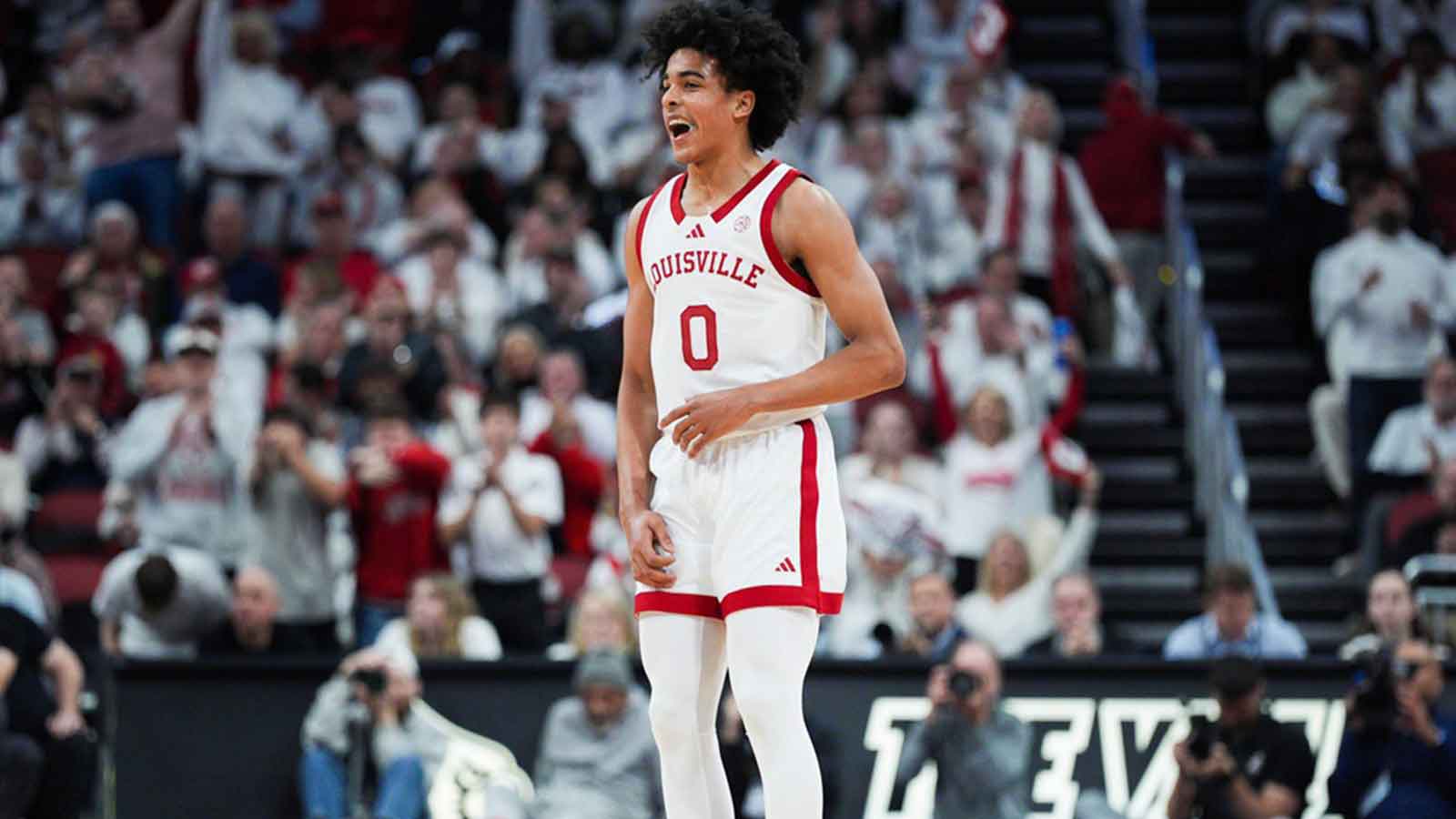
The Nets could have gone in a lot of different directions with the No. 6 overall pick in the draft, but they ended up reaching for Louisville point guard Mikel Brown Jr.
Brown is an incredibly talented offensive player without a doubt. He is a great shot-maker with a ton of moxie and confidence, and he has also shown good touch inside the arc and solid playmaking ability. However, his shot selection has been poor at times and he is a score-first guard, which makes him a bit of an awkward fit in the Brooklyn lineup.
A lot of the issue with Brown comes with the players that went after him. The Nets took the Louisville star, who comes with a lingering back problem that limited him during his lone college season, ahead of Darius Acuff Jr., Kingston Flemings and Brayden Burries. Burries gives more size and is a much more well-rounded player, Flemings is ultra-explosive and is a piutbull defensively, and Acuff may be the best offensive guard prospect in the entire draft. Taking Brown over all three of them is a major risk.
Dallas Mavericks
It came as no surprise to see the Mavericks take a Michigan star one day after hiring Dusty May as their new head coach, but many pundits thought that Morez Johnson Jr. would be the third Wolverine off the board, not the first.
While Johnson has incredible defensive versatility, his offensive ceiling is limited due to a limited jump shot and a lack of explosiveness as an above-the-rim finisher.
On the contrary, Yaxel Lendeborg brings similar defensive versatility while being much more skilled on the offensive end both with his handle and his jumper. He is an older prospect, but he would have been a much better fit next to Cooper Flagg. Aday Mara would have also been a strong pick as a very skilled big man who is the best rim protector in this class. Johnson came into the draft as the third-best Michigan prospect on the board, but the Mavs took the gamble on him at No. 9.
Nate Ament
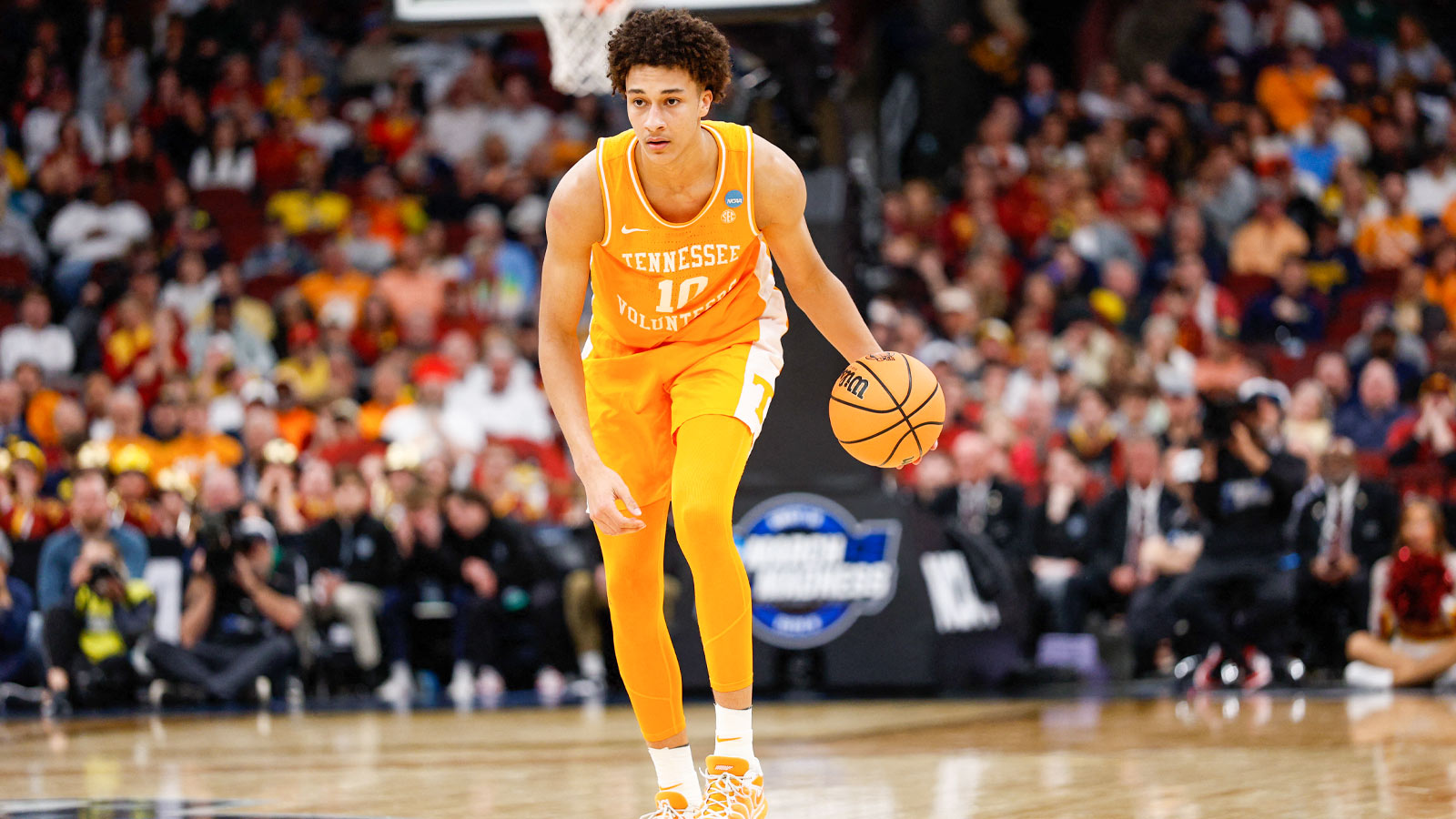
Nate Ament spent his only college season at Tennessee in a bit of an outsized role that exposed more of his weaknesses than his strengths. As an NBA prospect, he projected as a good fit on a good team where he could have a smaller role and focus on improving defensively and as an off-ball threat offensively.
Instead, Ament lands with what’s left of the Milwaukee Bucks after the Giannis Antetokounmpo trade. Tyler Herro could very well be flipped this offseason for more future assets, which would leave Ament playing alongside a hodgepodge of young wings and bigs all looking to take the next step on a team that probably isn’t going to win a ton of games.
That could lead to more of the same of what we saw from the former five-star recruit in Knoxville. Ament was relied on as an off-the-dribble creator for the Volunteers, and he showed his limitations when doing that. He doesn’t get to the rim very well and has a bit of a loose handle, forcing him to settle for a lot of contested mid-range jumpers. He doesn’t make enough of those shots to justify that shot diet, which could lead to a rocky rookie season if it is more of the same.
Tarris Reed Jr.
Tarris Reed would have been ecstatic when he heard that he was headed to the Denver Nuggets with the No. 26 pick in the draft. For a moment, he had a clear and defined role as Nikola Jokic’s backup and was penciled in for 12-16 minutes per game. Playing as a backup five in Denver would amplify his strengths as a dirty-work big who rebounds the heck out of the ball and plays extremely had.
Moments later, Reed found out he was being traded to the San Antonio Spurs, who drafted a backup center for Victor Wembanyama *checks notes* six picks earlier. On top of that, Jayden Quaintance and Reed are both non-shooters, so it will be very difficult for Mitch Johnson to play them together off the bench.
Reed will now be battling for playing time with Quaintance, who is objectively a much better prospect if his medicals check out on his injured knee. There isn’t a path into the starting lineup behind Wembanyama and the Spurs’ deep crop of elite young guards, so the former UConn star may be relegated to the bench in year one.
The post Pistons, Nets suffer as most brutal losers of 2026 NBA Draft Round 1 appeared first on ClutchPoints.