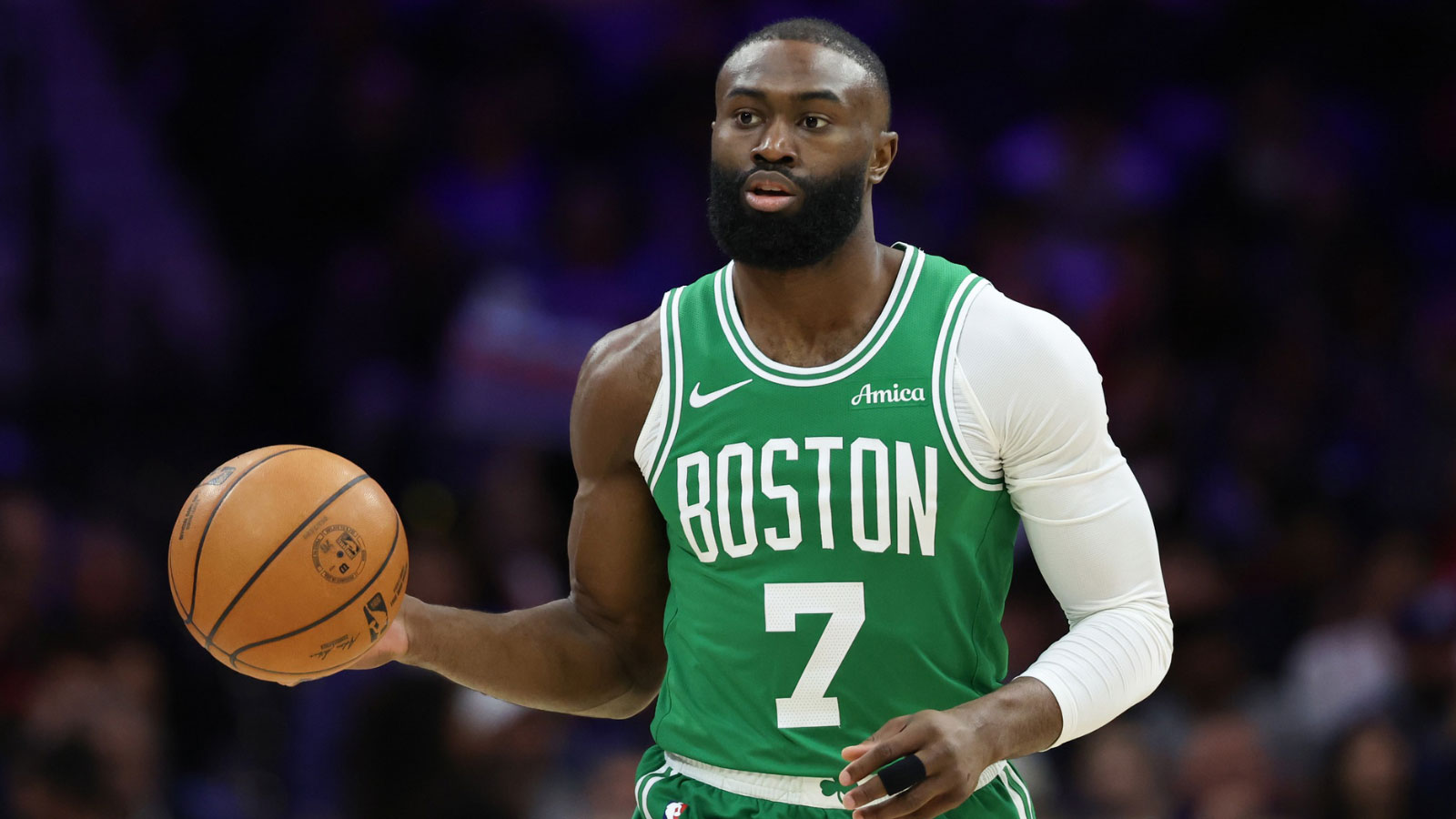
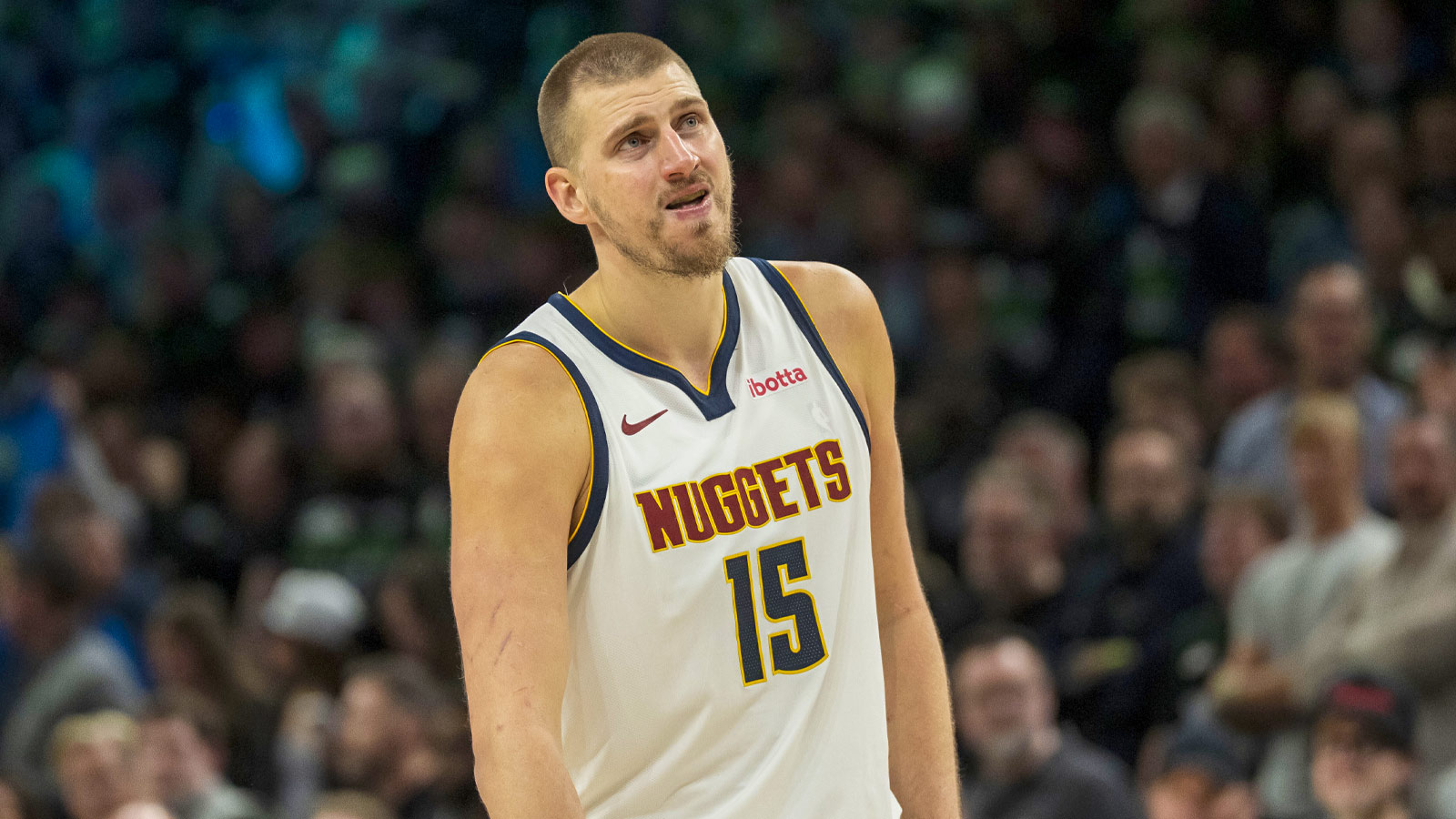
The 2026 NBA Draft is officially in the books. This has a chance to be a historic draft class, with high-level talents like AJ Dybantsa, Darryn Peterson, Cameron Boozer, and Caleb Wilson entering the NBA, but the depth of the 2026 NBA Draft is what stands out the most.
Darius Acuff Jr., Mikel Brown Jr., Yaxel Lendeborg, and so many others are set to make an immediate impact during their rookie seasons and improve their new teams’ outlooks.
Overall, there was not much drama during the first round of this year’s draft. Although a few trades were made, with teams swapping places, every team picking in the first round addressed their key needs.
For those in the lottery, the main need was long-term potential and star power. For those at the end of the first round, it was finding extra depth to help them in their championship quest. A total of 10 different teams, a third of the league, added two different prospects in the first round of the NBA Draft.
However, did these teams make the right decisions? Then, in the second round on Wednesday night, many teams completed trades and jumped around to try to find this year’s diamond in the rough. Did any of them come out with incredible value or the perfect fit for the future of their franchise?
Now, we simply wait and see how all of these rookies begin their NBA journeys and who will become a legend from the 2026 NBA Draft.
At the end of the day, draft grades don’t really mean a whole lot right now, as these are in-the-moment reactions and evaluations based on what we know about each draftee, those who were still on the board when they were picked, and, of course, how they fit with their new team.
So let’s dive right into it and look at my complete draft grades for all 30 teams based on the moves and selections they made, or didn’t, over the course of the two-day 2026 NBA Draft.
ClutchPoints 2026 NBA Draft Center:
- Live Tracker: Latest rumors, trades, and picks from the first round
- Live 1st Round Grades: Instant reactions to the first round
- Final Mock Draft: A look back at Brett Siegel’s final Mock Draft 5.0
Atlanta Hawks: B+
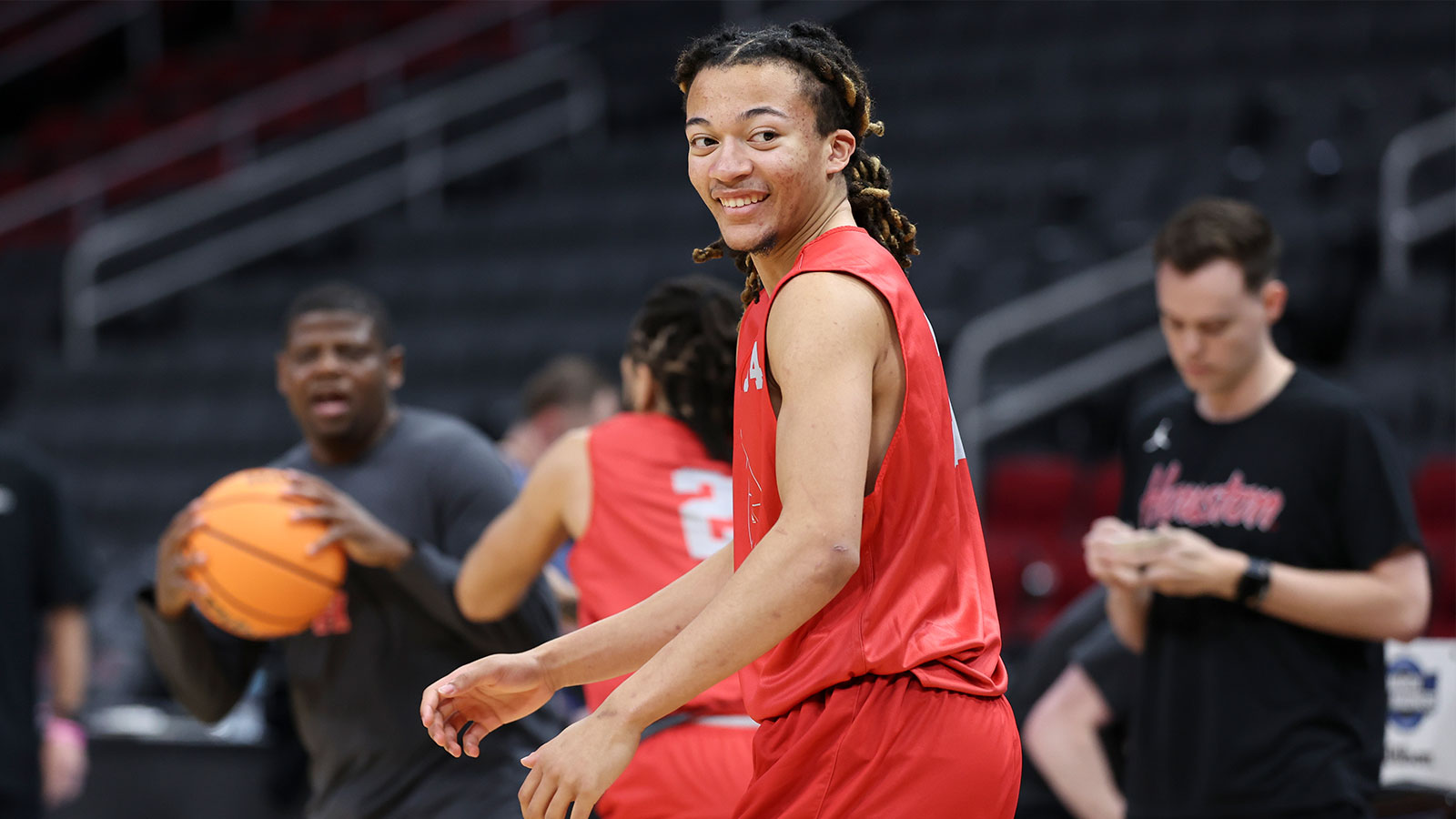
ROUND 1: G Kingston Flemings (No. 8), F/C Zuby Ejiofor (No. 23)
ROUND 2: C Henri Veesaar (No. 52)
ADDITIONAL ASSETS: NONE
Throughout the days leading up to the first round, the Hawks were listening to trade offers for the No. 8 pick, as well as attempting to lure the Milwaukee Bucks into giving up assets to move up by threatening to take Brayden Burries. This argument was always between Kingston Flemings and Aday Mara, and the Hawks fortified their backcourt for years to come by adding Flemings. Between his ability to get to the rim and score from all three levels as a smaller guard, Flemings will be a key secondary offensive weapon for Atlanta.
Time will tell what type of role Zuby Ejiofor holds for the Hawks, but he will bring immediate toughness and defensive abilities to any game he enters. Addressing their frontcourt with this second pick was a key need for the organization, and with teams right behind the Hawks showing interest in Ejiofor, they grabbed him right away.
Henri Veesaar was the shock of the second round, as his agent was guiding him to a certain team when the Hawks moved up in the draft to take him for cash considerations. Once thought to be a borderline first-round prospect, the Hawks get excellent value here on a stretch big man who can provide depth behind Okongwu and Ejiofor.
Boston Celtics: B+
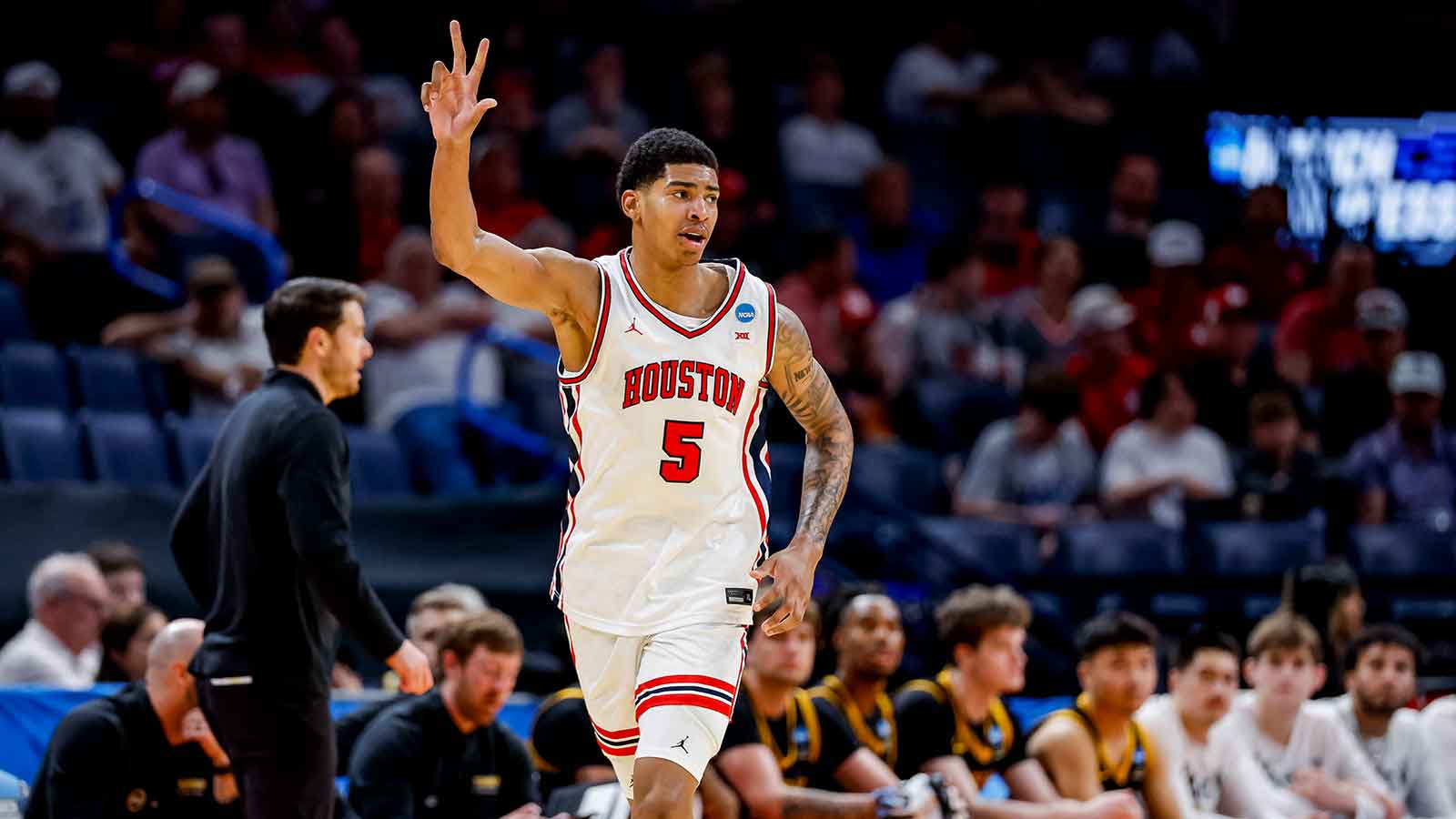
ROUND 1: C Chris Cenac Jr. (No. 27)
ROUND 2: F Dillon Mitchell (No. 40)
ADDITIONAL ASSETS: NONE
It is ironic that the Celtics ended up with Chris Cenac Jr. with the 27th pick because he was one of the players they held interest in trading up for. Boston needed to add more frontcourt help next to Neemias Queta this offseason, and Cenac is a long-term building block who could turn into a two-way menace. Cenac is a great athlete as a 6’10” true center, and his length allows him to protect the paint and be a factor when it comes to contesting shots on the perimeter.
The only major concern with Cenac is that he still needs time to grow offensively, especially as a pick-and-pop option, and he can get in foul trouble against stronger frontcourt players.
As the summer in Boston continues, the major question surrounds Jaylen Brown, who Brad Stevens dangled in trade talks for Giannis Antetokounmpo. Will Brown remain alongside Jayson Tatum, or will the Celtics seriously consider trading him? If it’s the ladder, expect at least six or seven teams to pursue one of the best two-way wings in the NBA. But hey, these are draft grades, and the C’s did alright for themselves in terms of addressing key needs of their secondary depth.
Brooklyn Nets: A
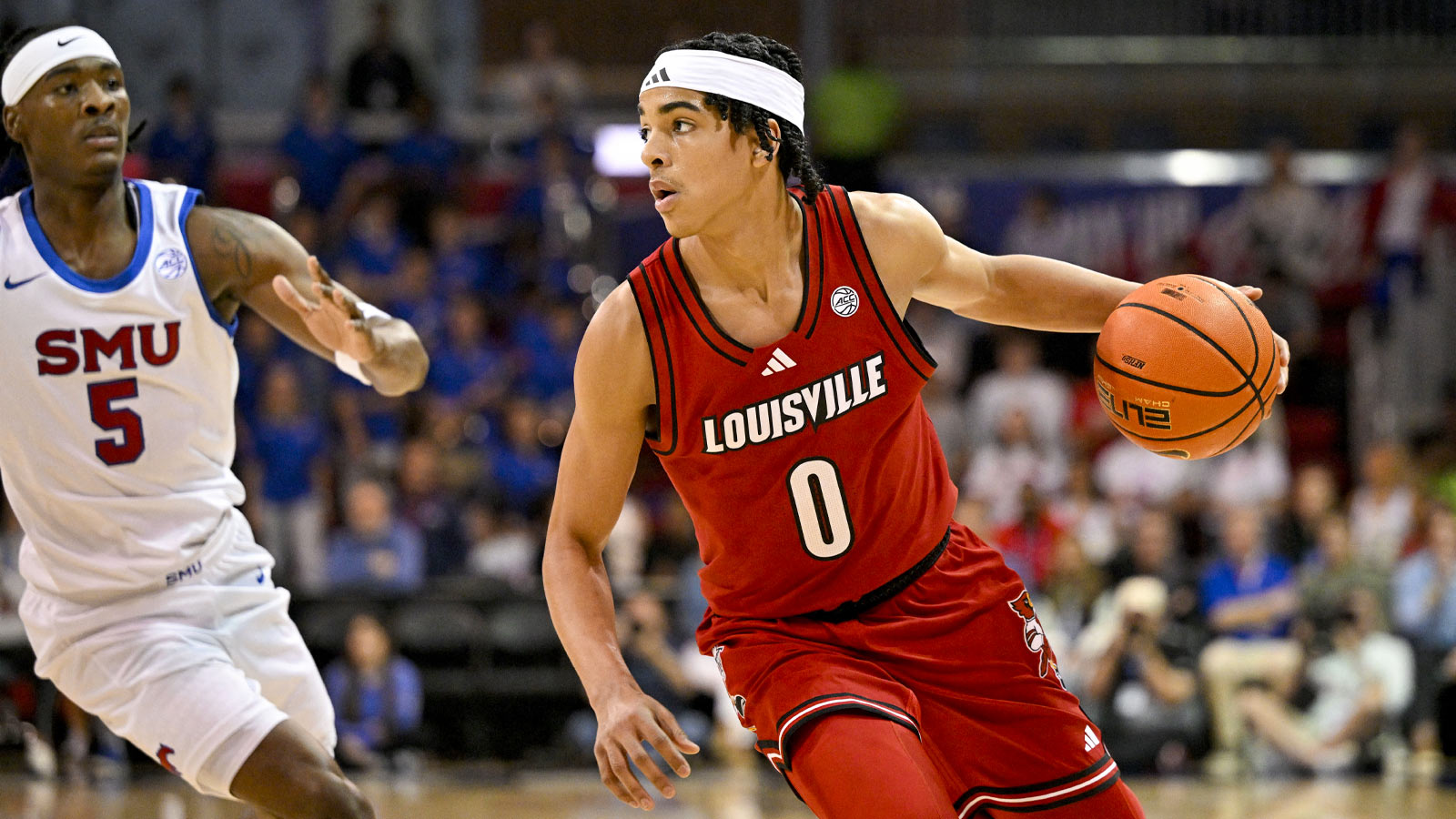
ROUND 1: G Mikel Brown Jr. (No. 6), F Joshua Jefferson (No. 28)
ROUND 2: F Tyler Bilodeau (No. 43)
ADDITIONAL ASSETS: NONE
Out of all the guards who went in the top 10, Darryn Peterson and Mikel Brown Jr. ended up in the best places for them to become All-Stars. Even though Sean Marks and the Nets took multiple guards last year, that did not matter one bit with the No. 6 pick, as Brown was the multi-dimensional player they had at the top of their draft board, and he is ready to change Brooklyn’s recent misfortunes from Day 1.
Unfortunately, lingering back problems led to absences for Brown at Louisville, preventing him from putting on a show late in the year or during the NCAA Tournament. When he’s healthy, which he fully is now, Brown is an elite scoring guard who hunts his own shots and makes those around him better with how much attention he draws. The Nets needed someone they could build around for years to come in this draft, and they walked away with a player who may very well be the best from this class.
Near the end of the first round, the Nets took Joshua Jefferson, who is a really strong forward who does a little bit of everything, but his fit alongside newly added star Julius Randle is head-scratching. Jefferson was a player listed as a second-round guy on a lot of teams’ boards, so it’s hard to determine whether the Nets got the best value here in terms of where he went and his overall fit.
Brooklyn also selected stretch big man Tyler Bilodeau in the second round, who will sign a two-way contract with the team.
Charlotte Hornets: B
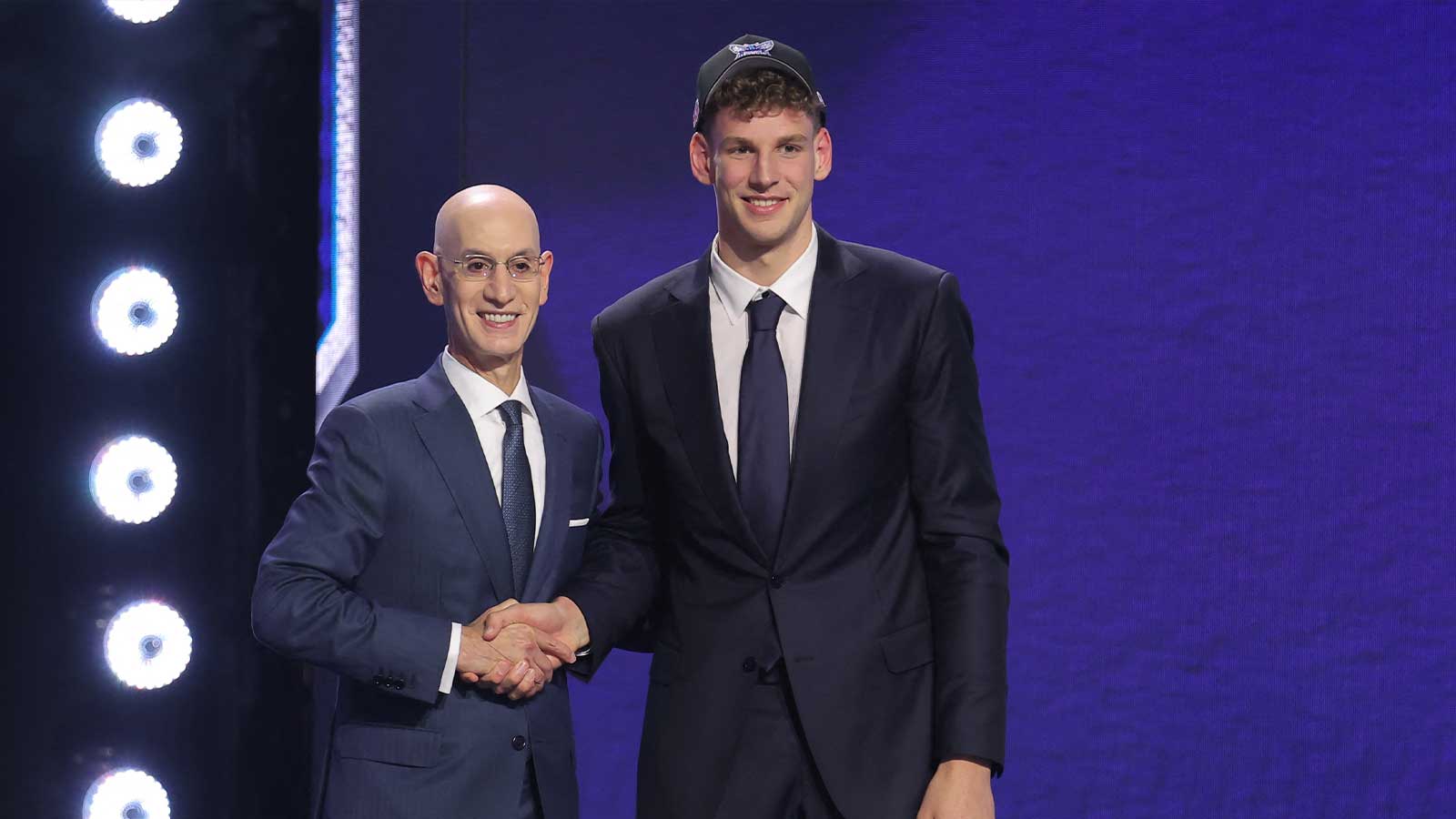
ROUND 1: F/C Hannes Steinbach (No. 14), Christian Anderson Jr. (No. 18)
ROUND 2: NONE
ADDITIONAL ASSETS: NONE
Continuing to find depth and build their frontcourt was the Hornets’ priority entering this draft. The 14th pick was going to be utilized for one of the Michigan big men or Hannes Steinbach, and with the three Wolverines off the board, this choice became clear. Steinbach was the second-highest-ranked center on my board, and he is the ideal frontcourt addition for Charlotte.
Aside from being able to set screens and rebound, Steinbach has the tools to continue developing his jumper to become a consistent perimeter threat. Speaking of perimeter threats, welcome to the Hornets, Christian Anderson Jr.! Kon Knueppel established himself as one of the NBA’s most elite 3-point weapons in his rookie season, and Anderson will do the same as a secondary guard. Immediately, Anderson will be a catch-and-shoot option, as well as a terrific passer and playmaker behind LaMelo Ball in the rotation.
The Hornets checked off two major boxes in this draft by adding a key big man with Steinbach and backcourt depth with Anderson.
Chicago Bulls: A-
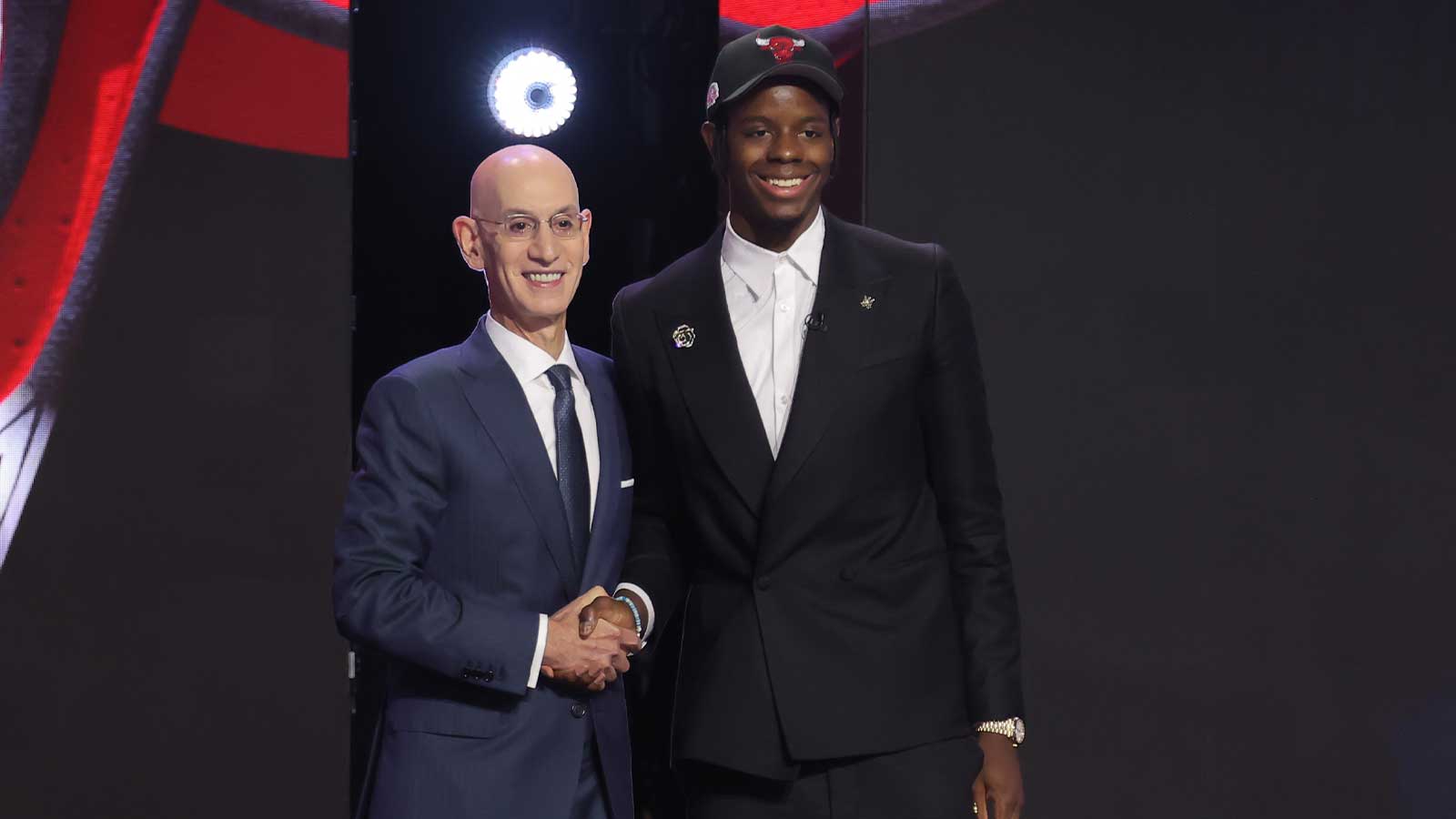
ROUND 1: F Caleb Wilson (No. 4), G/F Dailyn Swain (No. 15)
ROUND 2: NONE
ADDITIONAL ASSETS: G Kam Jones (via IND), Cash Considerations (via IND & LAL), Future 2nd-round swap (via IND)
Several years from now, we may be looking back on the 2026 NBA Draft and wondering how Caleb Wilson was the fourth pick. I am incredibly intrigued by what new executive Bryson Graham is building in Chicago, as both Wilson and Dailyn Swain bring immediate toughness, athleticism, and two-way ability to pair with Josh Giddey, Matas Buzelis, Nic Claxton, and Noa Essengue (the Bulls’ 2025 first-round pick).
This new-look Bulls roster is positionless, they can guard one through five, and they are going to punish opponents for turning the ball over because of how well these young guys can thrive in up-tempo systems. Wilson has the potential to be a star, and Swain projects to be a key two-way weapon on the wing in Chicago.
It has only been a handful of weeks, but Graham finally has the Bulls on the path to success.
Cleveland Cavaliers: A-
ROUND 1: NONE
ROUND 2: G Meleek Thomas (No. 34)
ADDITIONAL ASSETS: Kings’ 2032 2nd-round pick
Trading out of the No. 28 pick was a cap-saving move by the Cavs.
Moving down six spots and into the second round cut roughly $3 million in guaranteed money from a rookie-scale contract they would’ve had on their books. Creating flexibility and moving down a few spots, while also adding a 2032 second-round pick from Sacramento, gives the Cavs the funds needed to bring James Harden back in free agency. It may not seem like a huge difference, but saving an extra million here and there is massive for Cleveland, whose back is up against the second apron.
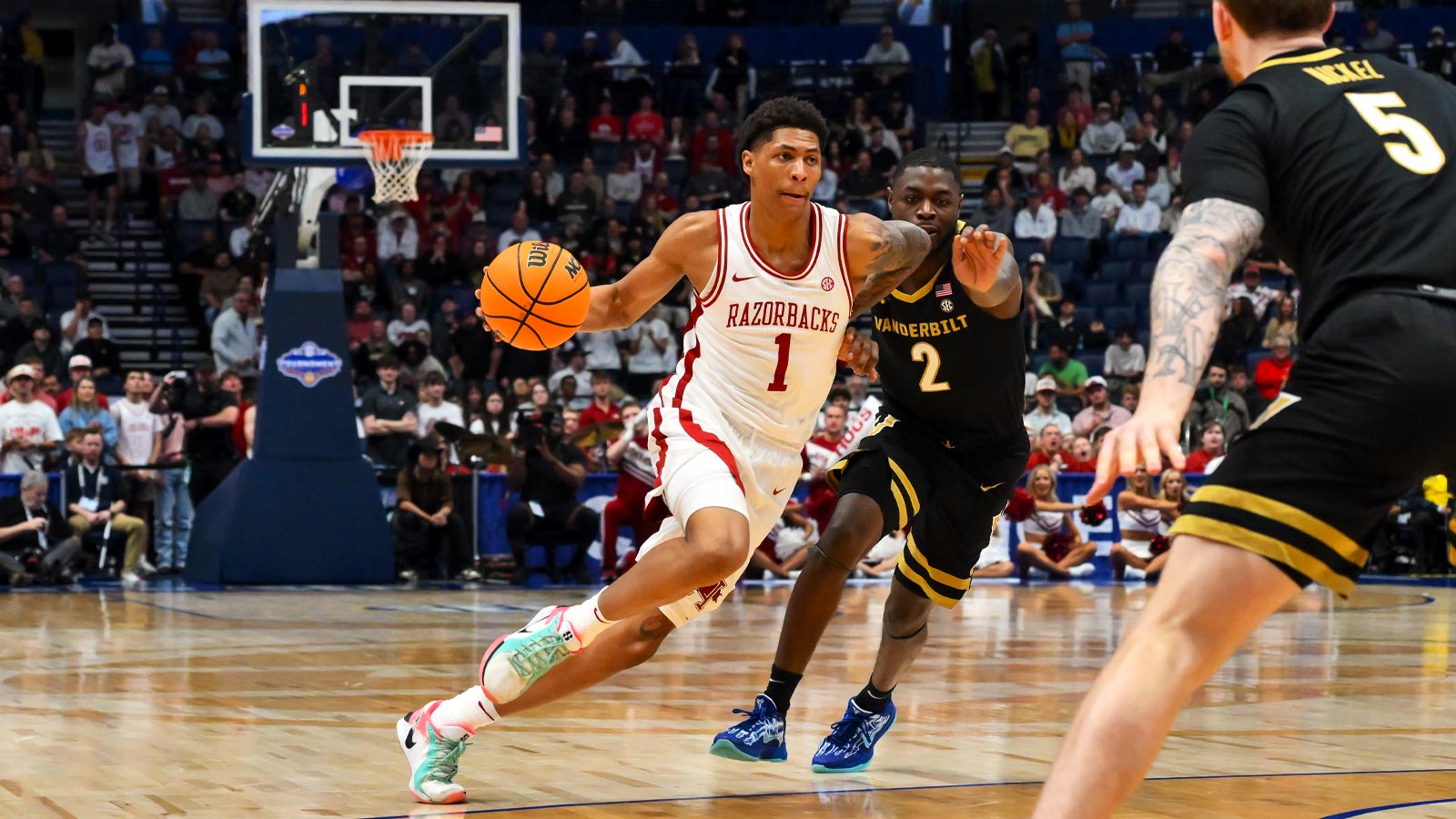
In the second round, the Cavs picked up Meleek Thomas with the No. 34 pick, a crafty combo guard who shot the ball well during his freshman year at Arkansas alongside Darius Acuff. Thomas provides much-needed guard depth behind James Harden and Donovan Mitchell on a second-round rookie contract.
Dallas Mavericks: B+
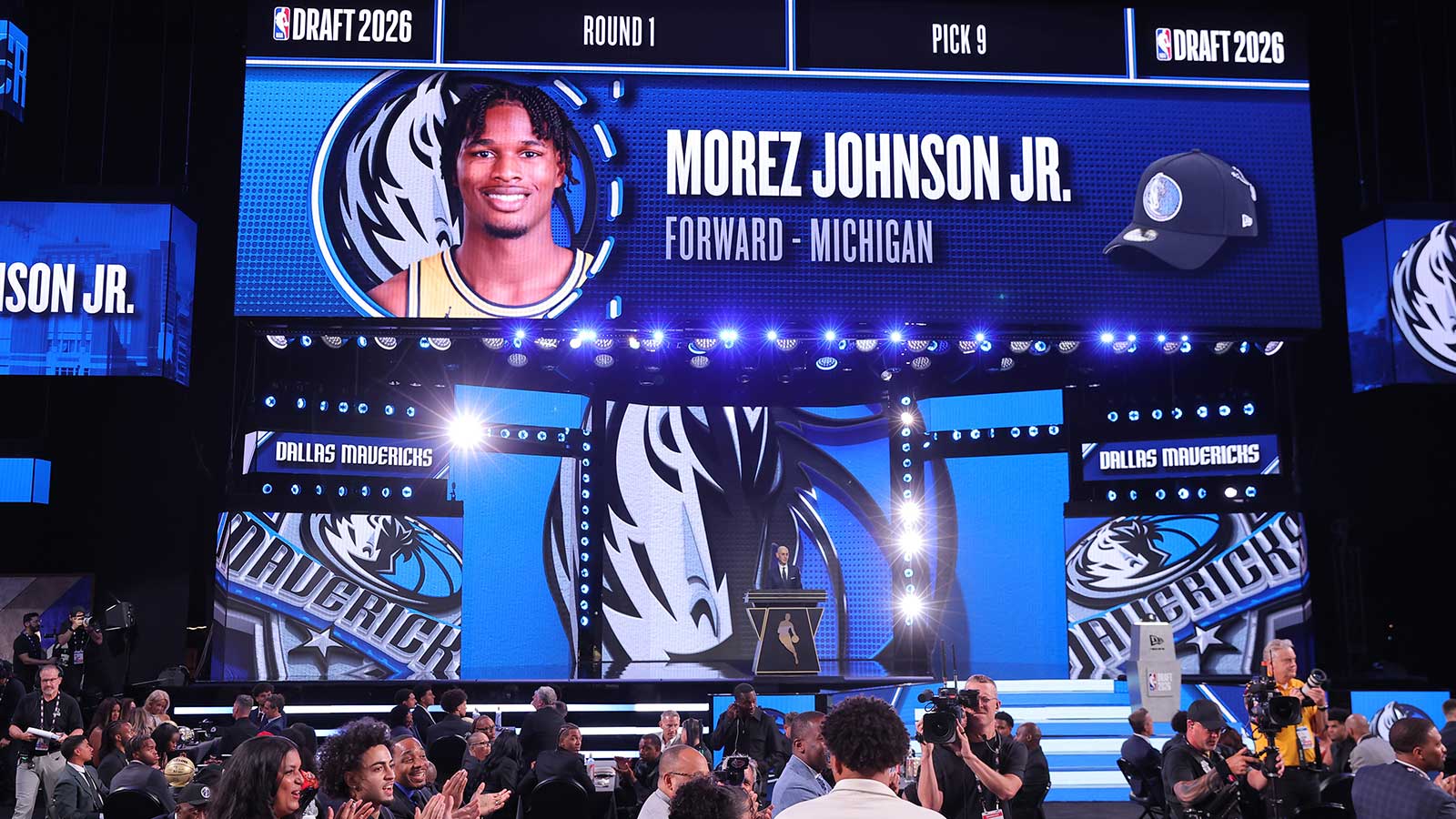
ROUND 1: F/C Morez Johnson Jr. (No. 9), G Sergio De Larrea (No. 25)
ROUND 2: F Tobi Lawal (No. 48), F Vsevolod Ishchenko (No. 57)
ADDITIONAL ASSETS: NONE
Was it part of Dusty May’s agreement to become the head coach of the Mavericks for the team to then draft one of his guys from Michigan? It certainly seems that way, considering that the Mavs were linked to all of them and ultimately took Morez Johnson Jr. with the ninth pick. This came as a surprise to many, as it’s not the traditional Masai Ujiri pick for long-term upside, but Johnson is a culture guy who fits in perfectly with Cooper Flagg and will bring defensive intensity for years to come.
Later in the draft, Dallas was creative when adding one of the most intriguing international prospects in the draft — Sergio De Larrea. By trading two future second-round picks in 2030 and 2032, as well as the 30th pick, the Mavs were able to move up to No. 25 and take De Larrea from the Knicks. The Mavs also surrendered the draft rights to Melvin Ajinca, the 51st pick in 2024, which is ironic since his rights were traded from New York to Dallas years ago.
De Larrea brings size, 3-point shooting, and playmaking skill at either guard position. I know this will sound crazy and probably draw a lot of mixed emotions from a lot of fans, but there are some very real similarities between the Spanish guard and the one known as him in Dallas. He is a very different player from Luka Doncic in terms of scoring and star potential, but the way De Larrea operates in pick-and-roll situations, as well as how he never lets others speed up his game, are very similar.
Ujiri and new GM Mike Schmitz put together a really strong-looking draft with two players who can immediately hold key roles alongside Flagg and Kyrie Irving. While Mavs fans would have liked to see a top-10 pick in a loaded draft be used on a player with star potential, Johnson certainly fills key secondary needs in the frontcourt for the foreseeable future.
Denver Nuggets: B-
ROUND 1: NONE
ROUND 2: F Trevon Brazile (No. 35), F Bryce Hopkins (No. 49)
ADDITIONAL ASSETS: MIN 2028 2nd-round pick (via SAS), SAC 2031 2nd-round pick (via SAS)
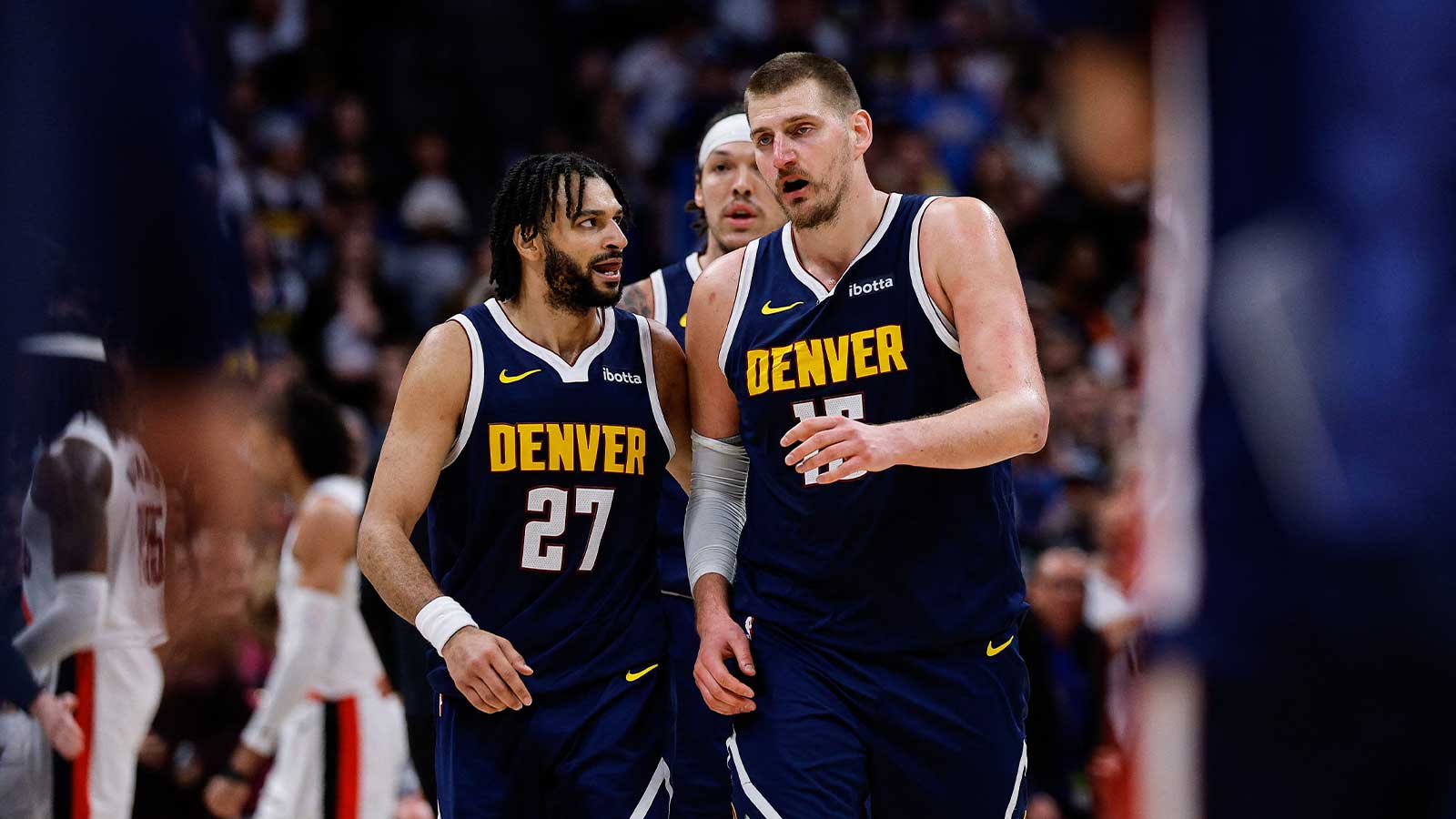
Similar to what the Cavaliers achieved, the Nuggets also moved out of the first round from the No. 26 pick to the No. 35 pick. In doing so, Denver saved itself close to $2 million in guaranteed salary. Why is this important for a team that wants to compete for a championship with Nikola Jokic? Well, the Nuggets have a second-apron problem right now and need to make a trade involving Cam Johnson, Christian Braun, or Zeke Nnaji to be in good financial standing.
The main goal in Denver is to retain restricted free agent Peyton Watson, which is why cost-saving measures are on. While this cost them a first-round pick, it will be well worth it to keep Watson, the team’s 30th overall pick in 2022.
In the second round, the Nuggets got good value with Trevon Brazile and Bryce Hopkins, two versatile, two-way forwards to provide extra depth. Brazile had a lot of suitors and should be able to thrive by learning from Aaron Gordon.
Detroit Pistons: B-
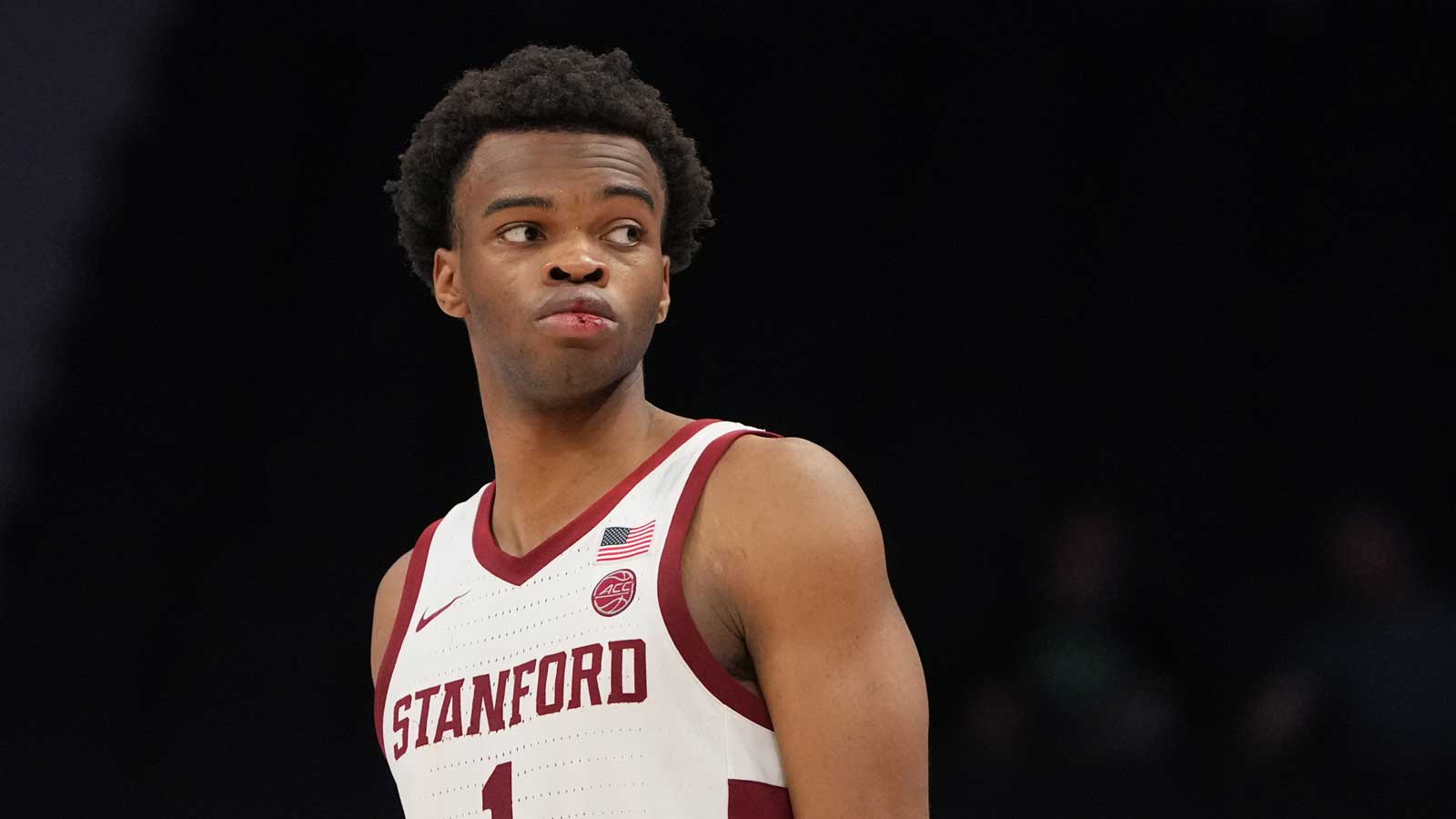
ROUND 1: G Ebuka Okorie (No. 17)
ROUND 2: C Ugonna Onyenso (No. 53)
ADDITIONAL ASSETS: NONE
To be perfectly honest, there were no major reaches or surprise picks in the first round of the 2026 NBA Draft. However, if there was one pick that made me say, “You know, he could’ve gone later,” it’s definitely what the Pistons did trading up for Ebuka Okorie at No. 17. The Pistons gave up three second-round picks (2029, 2031, and 2032) just to move up four spots and get Okorie, who is certainly not as NBA-ready as other guards who were available in this spot.
Throughout the pre-draft process, Okorie was a guard who really impressed Detroit because of his ball-handling skills and electric scoring potential. There is certainly a chance Okorie could turn out to be a gem for the Pistons, but his shot selection is questionable, and there is no guarantee he can thrive in an off-ball role next to Cade Cunningham. Then again, his potential speaks for itself, and there is no doubt that Okorie is one of the more skilled guards in this class who raises eyebrows every time you see him in the gym.
This pick was probably the most intriguing in the first round and one of those we will need to come back to in a year or so to truly evaluate.
Golden State Warriors: A
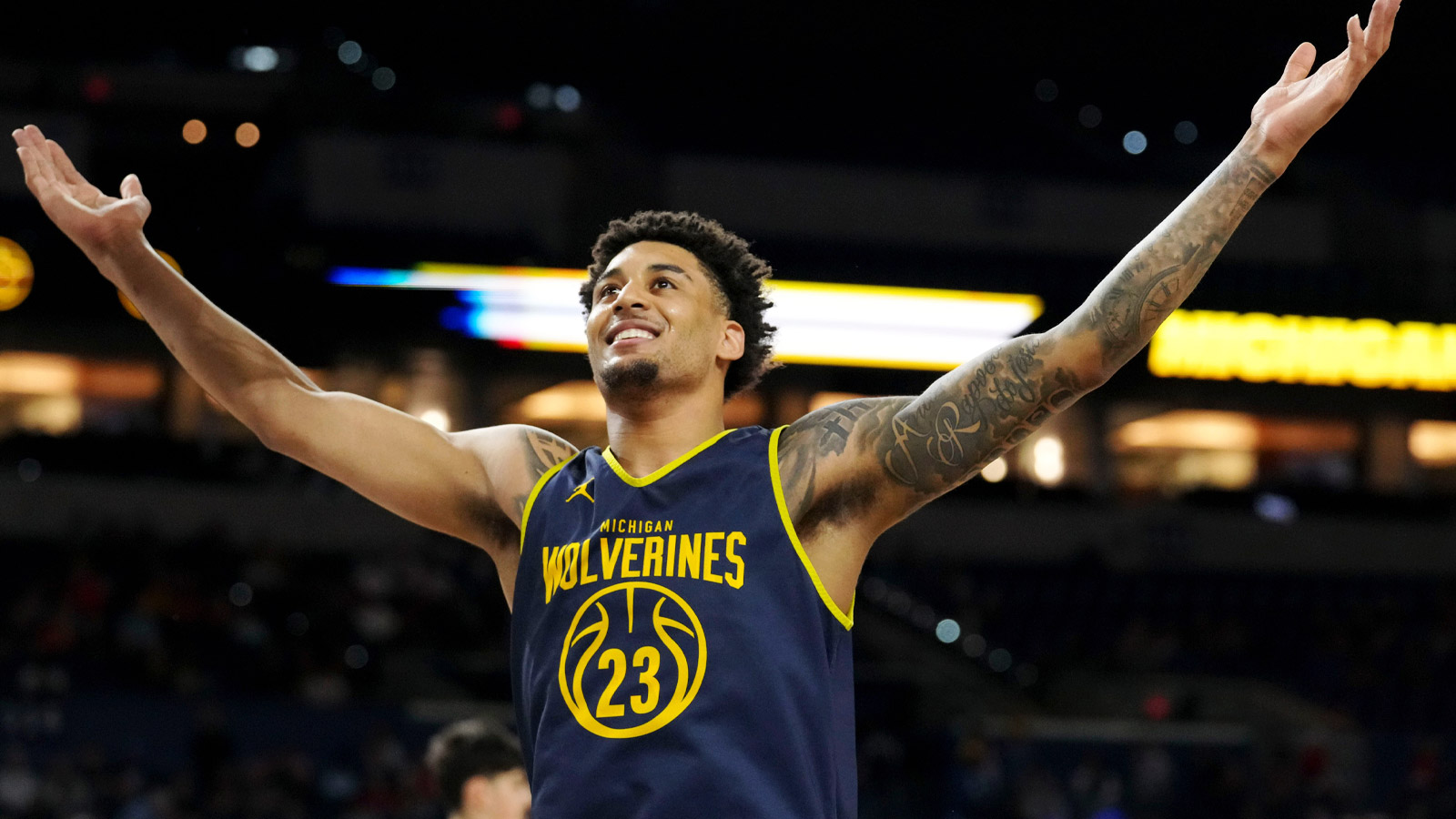
ROUND 1: F Yaxel Lendeborg (No. 11)
ROUND 2: G Lajae Jones (No. 54)
ADDITIONAL ASSETS: NONE
Yellow and blue looked so good on Yaxel Lendeborg at Michigan that it’s only fitting he gets to keep these colors in his wardrobe now that he is the newest member of the Golden State Warriors. Lendeborg was a player the Warriors really liked throughout the pre-draft process, and this pick was going to come down to whether Brayden Burries was on the board, a player the Dubs liked just a little bit more.
Sure, Lendeborg is 24 years old and doesn’t have a ton of upside compared to other draft prospects, but he is ready to compete and provide numbers for a team positioned to win right now. That is what the Warriors face, and they will immediately lean on Lendeborg’s do-it-all abilities to fill gaps on the wing and alongside Draymond Green at the end of his career. Unlike in previous drafts, where the Warriors struck out on going after 18- and 19-year-olds, they get an immediate contributor who can play in Steve Kerr’s rotations immediately.
Maybe I am crazy, but I truly do believe that Lendeborg can end up on an All-Rookie team just because of the value he provides and how he can fill the stat sheets. And best of all, Lendeborg couldn’t have ended up with a better team for him to showcase all of his skills on both ends of the court. The Warriors needed him just as much as he needed them in this draft.
Houston Rockets: C
ROUND 1: NONE
ROUND 2:G Bruce Thornton (No. 31)
ADDITIONAL ASSETS: NONE
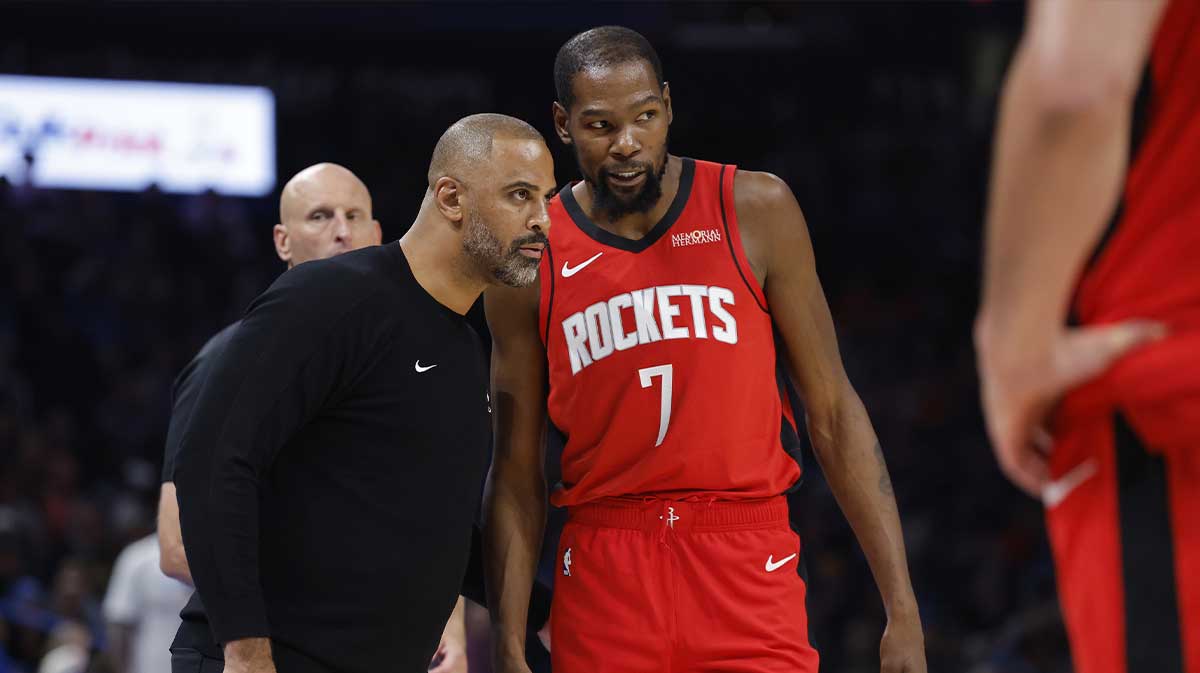
Did the Rockets reach for a guard they really liked? It certainly seems that way, as Houston traded the No. 39 and No. 53 picks along with a future 2029 second-round pick to the Knicks in order to move up to No. 31 and select Bruce Thornton.
This was certainly a stretch for the Rockets, as Thornton probably would’ve been available at No. 39 or slightly before that selection for Houston. If there is one thing the Rockets did need in this draft, however, it was a younger guard who could fill minutes behind Fred VanVleet coming off an ACL injury. At Ohio State, Thornton became the program’s all-time leading scorer, and he should find success early in his career as a bench scorer in the NBA.
Moving up to the No. 31 pick for him with guys like Meleek Thomas, Henri Veesaar, and Isaiah Evans still on the board is definitely a slight reach.
Indiana Pacers: C+
ROUND 1: NONE
ROUND 2: G Braden Smith (No. 38)
ADDITIONAL ASSETS: NONE
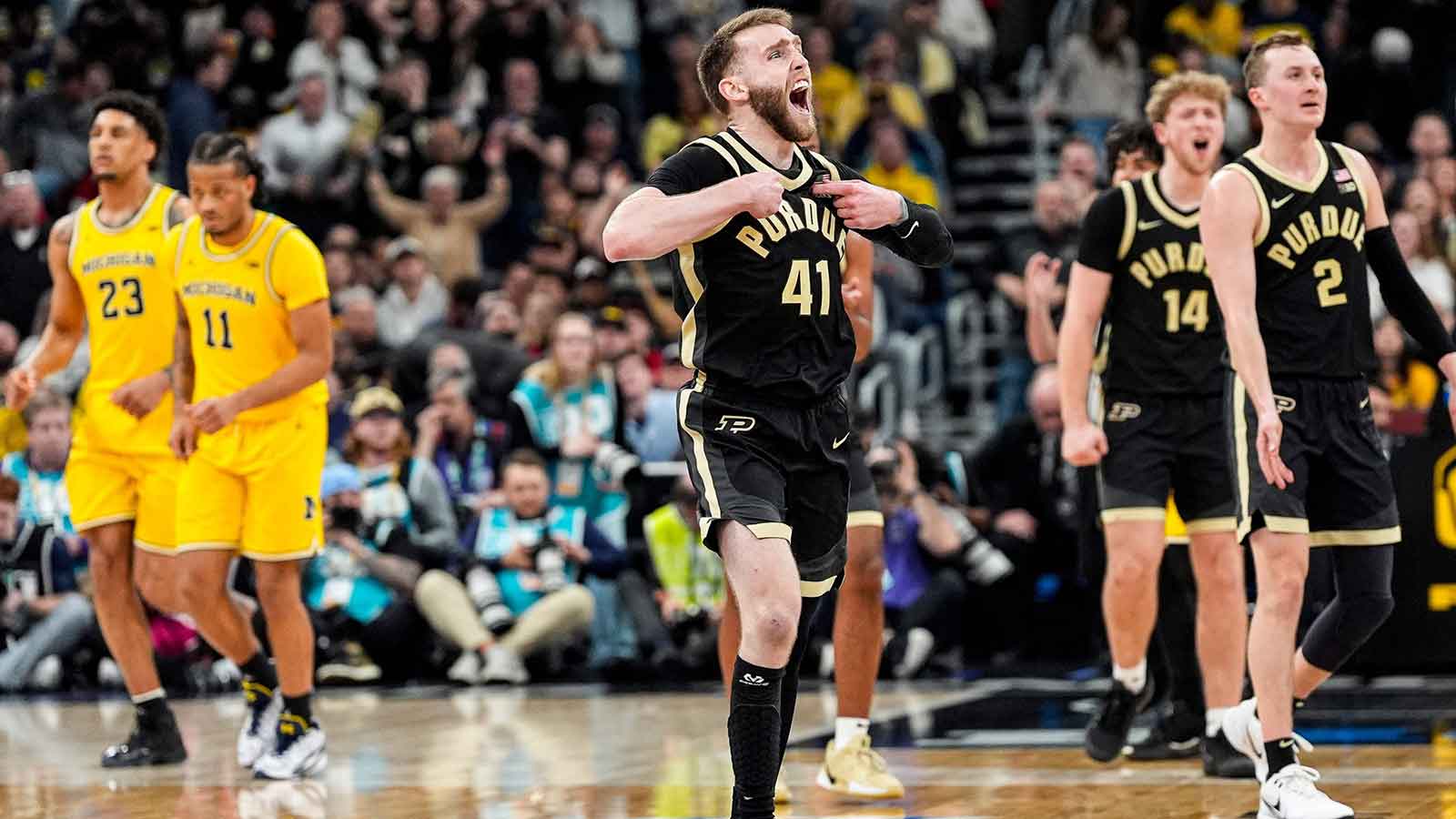
Braden Smith finished his collegiate career as the NCAA’s all-time leader in assists. While undersized, there is no doubt that Smith could contribute as a pure point guard at the next level on a team with size and proven scorers. However, he is an average athlete and doesn’t have anything flashy about his game. Smith is simply a reliable passer with a high IQ to make plays for others.
The Pacers had been looking to get a second-round pick specifically to draft Smith, and he will now join the team on a two-way contract. How he fits into their plans in a backcourt with Tyrese Haliburton, TJ McConnell, and Andrew Nembhard is unknown, but it’s worth noting that the team traded Kam Jones and a future second-round pick swap for him.
After playing his college ball in West Lafayette at Purdue, Smith stays local with the Pacers.
LA Clippers: B+
ROUND 1: G Keaton Wagler (No. 5)
ROUND 2: F Baba Miller (No. 36), F Nick Martinelli (No. 55), C Narcisse N’Goy (No. 57)
ADDITIONAL ASSETS: NONE
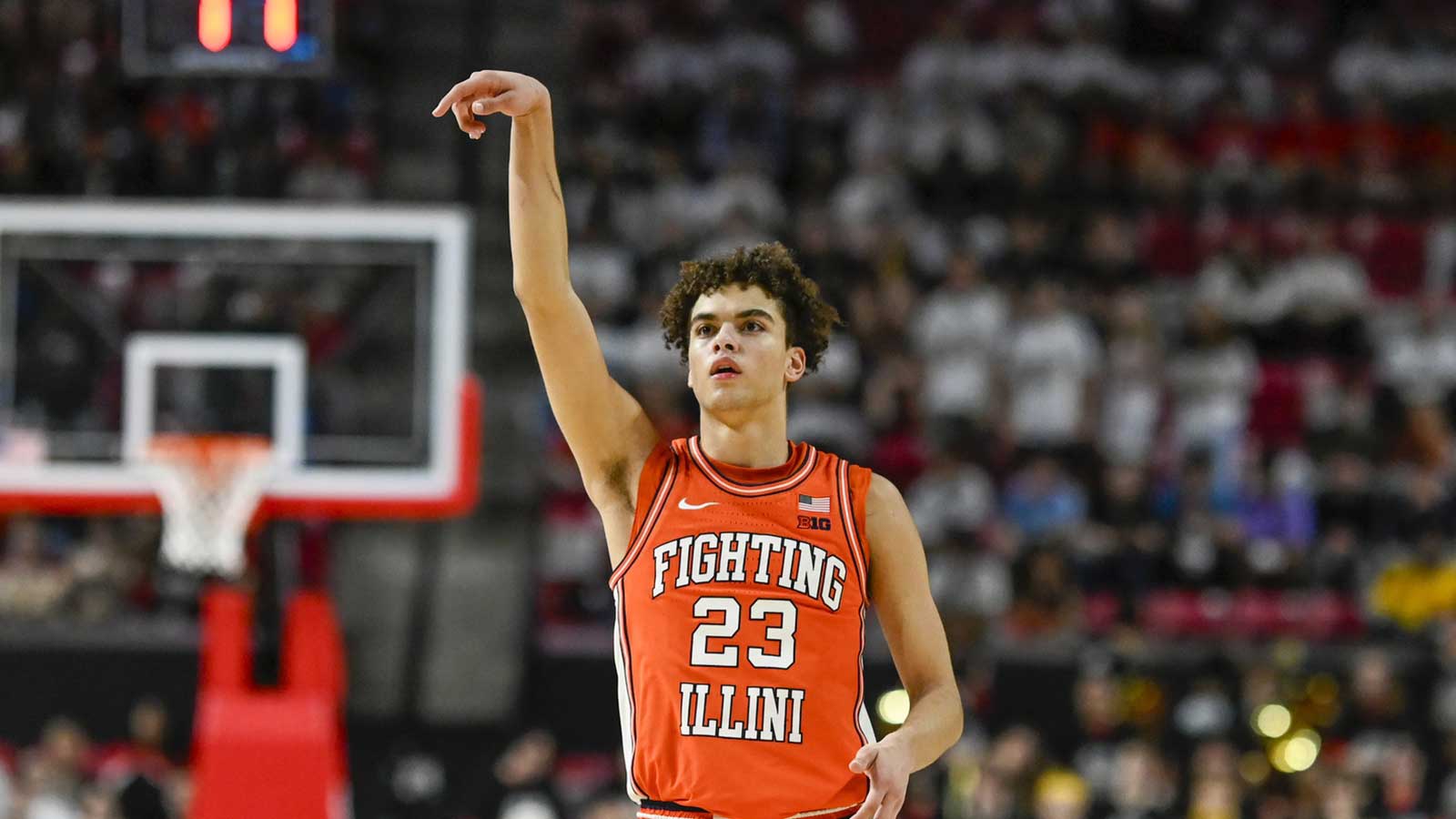
Keaton Wagler is a fantastic combo guard and will fit in nicely alongside Darius Garland, providing immediate length and shooting on defense and offense, respectively. However, passing on Brown in this spot could be a mistake that haunts the Clippers more than trading Shai Gilgeous-Alexander does.
Then again, this is a show of faith in Garland from the Clippers’ front office, as going with Brown likely would’ve signaled that he would be their long-term option at point guard over the recent All-Star. Wagler will play from the first game of the 2026-27 season, yet his upside will always be limited since he will be, at best, the third option next to Garland and Kawhi Leonard. Wagler is a really good player and deserves to be a top-five pick, but it’s hard to see how this pick truly paves a very bright future in Inglewood.
Los Angeles was busy in the second round, adding length with Baba Miller and shooting in Nick Martinelli. Both players could easily carve out bench roles for a Clippers team still looking to compete in the West as long as Kawhi is there.
Los Angeles Lakers: A+
ROUND 1: G Cameron Carr (No. 24)
ROUND 2: NONE
ADDITIONAL ASSETS: NONE
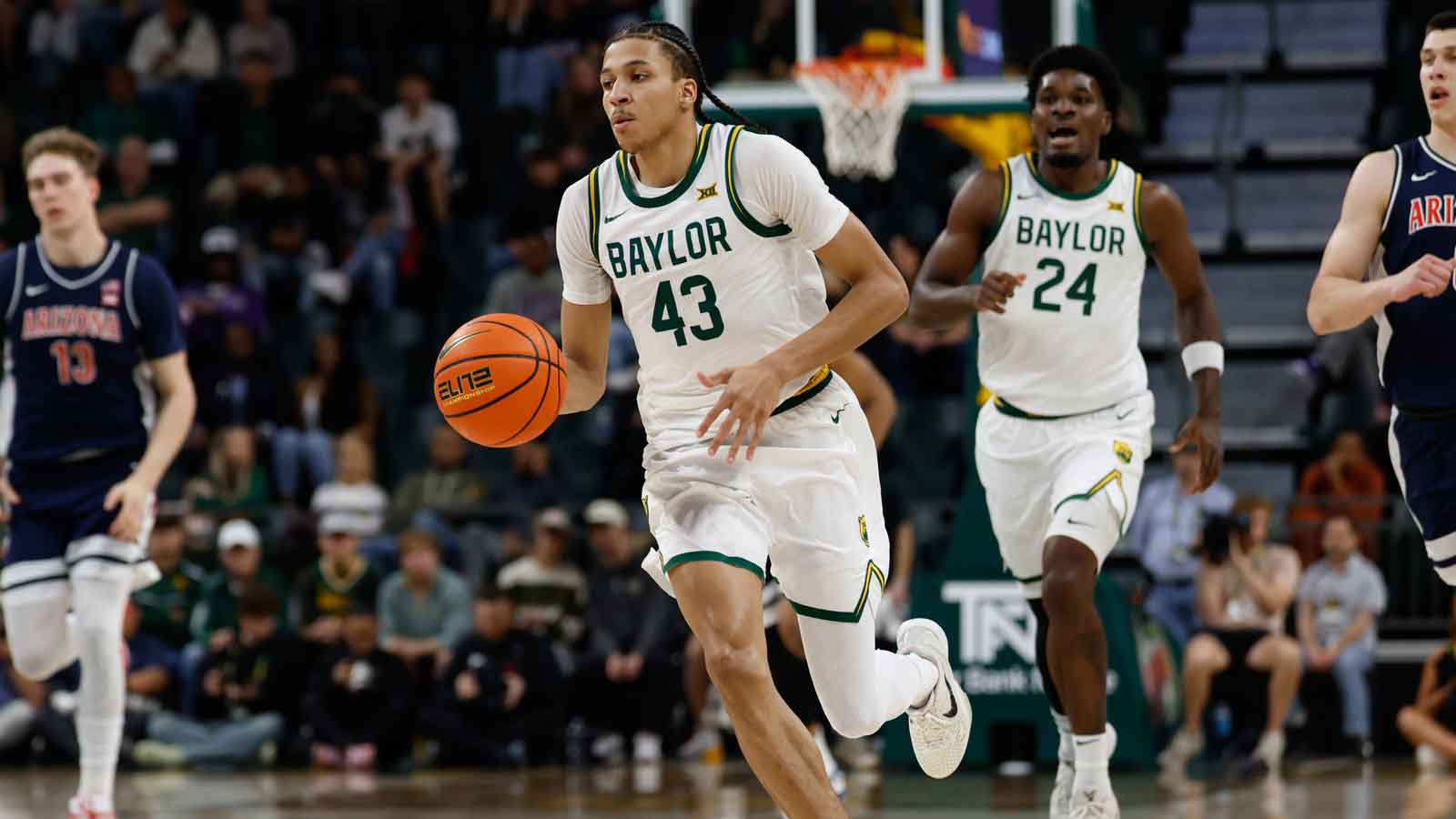
The Lakers gave up absolutely nothing to move up one spot and take Cameron Carr. That trade itself, which involved the draft rights to a 34-year-old and a 39-year-old who won’t ever be joining the NBA, to jump up from No. 25 to No. 24 and take Carr is an A+++.
What do you do when you have playmakers like Luka Doncic and Austin Reaves on the perimeter? That’s right, you add dynamic scorers and reliable shooters. Carr shot 37.4 percent from the perimeter at Baylor this past year, and his 7’0″ wingspan provides potential for him to grow into a valuable 3-and-D player.
Although some pointed to the big men in this draft being an option for the Lakers, this organization will now turn their attention toward adding a center either in free agency or on the trade block. With Carr being a top-20 talent that fell to No. 24, this was a no-risk, high-reward pick for Los Angeles.
At one point, it seemed like the Lakers would land Henri Veesaar late in the second round, but the Hawks swooped in front to take him, leaving Los Angeles still without a long-term option at center.
Memphis Grizzlies: A+
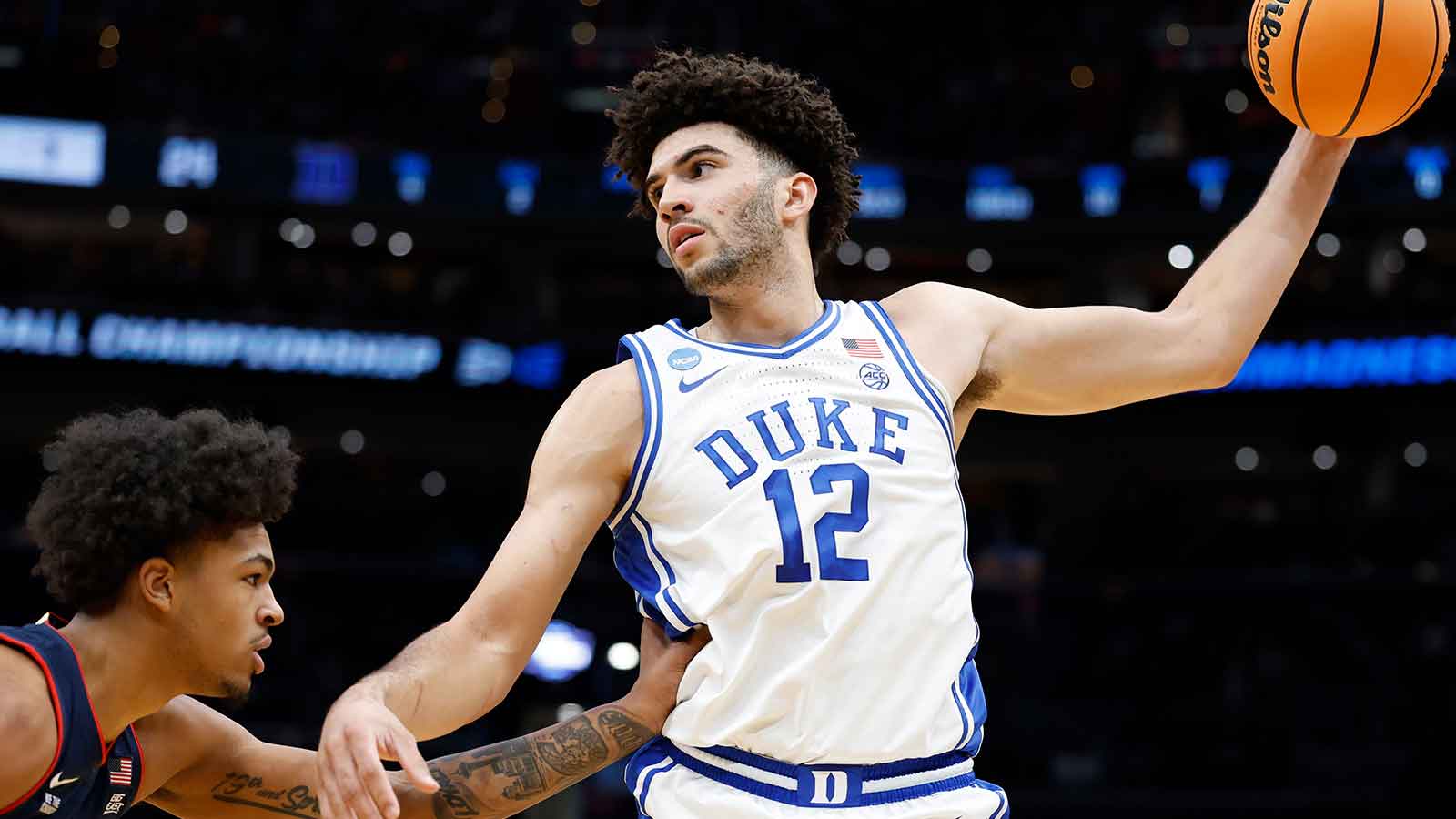
ROUND 1: F Cameron Boozer (No. 3), F Karim Lopez (No. 21)
ROUND 2: G Richie Saunders (No. 32)
ADDITIONAL ASSETS: F/C Isaiah Stewart, 2030 DEN/MIA/HOU (more favorable) 2nd-round pick, 2033 OKC 2nd-round pick
The easiest choice of the 2026 NBA Draft was made by Zach Kleiman and the Grizzlies, who have a new face of the franchise with Cameron Boozer. There is nothing Boozer can’t do on the court, and it’s surprising many don’t give him a lot of credit for the impact he makes defensively. Although he’s not an avid rim-protecting threat or an athletic freak, Boozer has an extremely high IQ and cuts off his opponent’s angles on drives and mid-range jumpers.
After landing Boozer, the Grizzlies then moved back five spots from the No. 16 spot and added Karim Lopez, as well as five future second-round picks. I really like Lopez’s long-term outlook since he has already played professionally in the NBL and enters the league as one of the better overall defenders in this draft class. It will take time for his offensive game to come around, but at worst, he will be a poor man’s Aaron Gordon.
With Cedric Coward, Jaylen Wells, and Zach Edey already in place, there is a lot to like about the Grizzlies’ future. Oh, and the Grizzlies added Isaiah Stewart by giving the Pistons their three second-round picks back that were originally traded to Memphis during the first round when Detroit moved up from No. 21 to No. 17. Got all of that?
Just a masterclass draft by the Grizzlies.
Miami Heat: B+
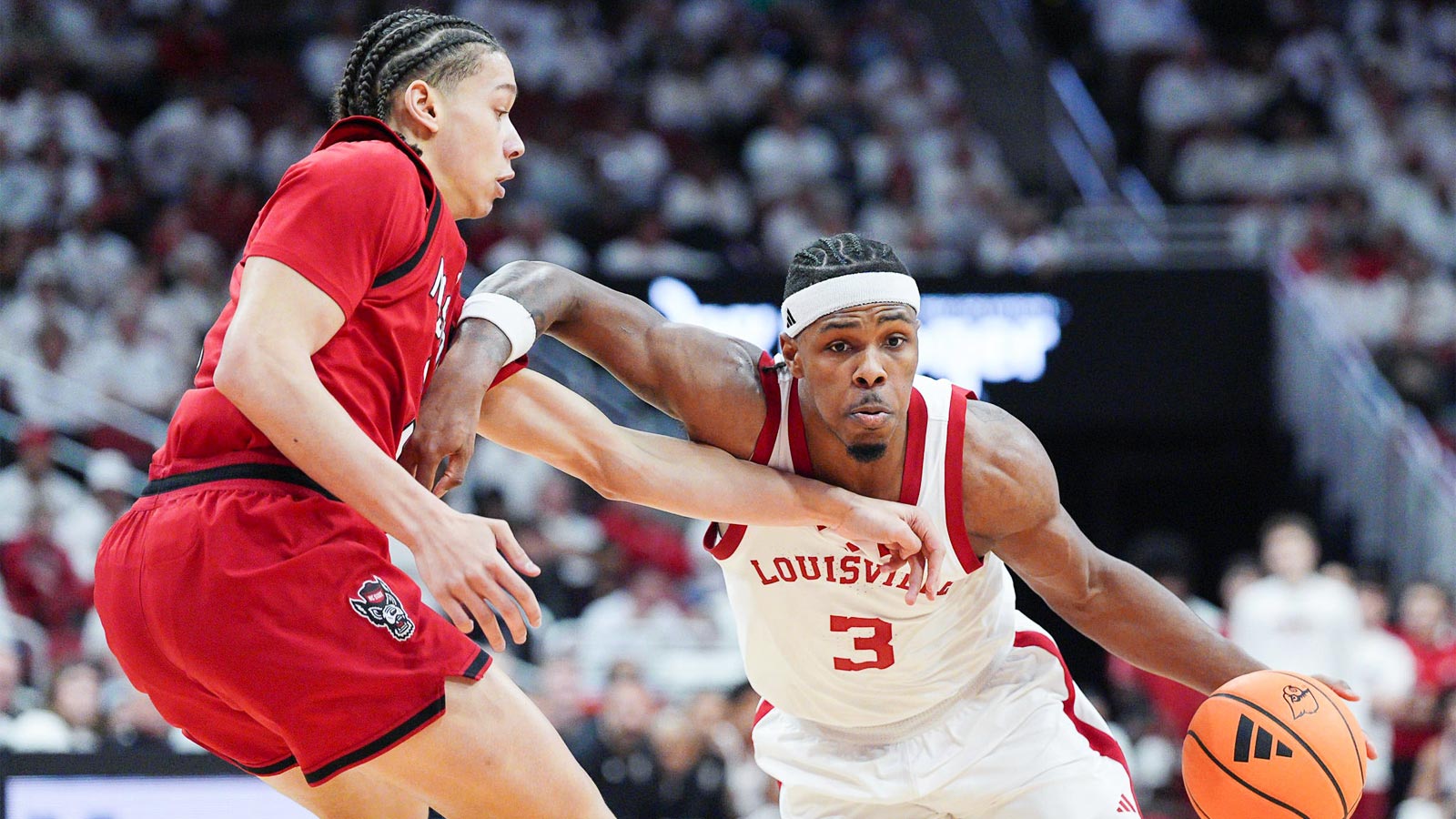
ROUND 1: NONE
ROUND 2: G Ryan Conwell (No. 37)
ADDITIONAL ASSETS: NONE
Giannis Antetokounmpo is now in a Heat uniform next to Bam Adebayo, which means it’s time for the Heat to get creative with adding small contracts to round out their roster. That is what happened on Wednesday night in the second round when the Heat added a really good two-way combo guard in Ryan Conwell from Louisville.
In four years with four different programs, Ryan Conwell finished his collegiate career at Louisville as a 3-point shooting threat known for his on-ball defensive skills. As he prepares for the NBA Draft, Conwell is being viewed as an above-average combo guard who competes hard on both ends of the court. He will be able to thrive as yet another underrated guard who rises in the ranks for Erik Spoelstra.
Milwaukee Bucks: B
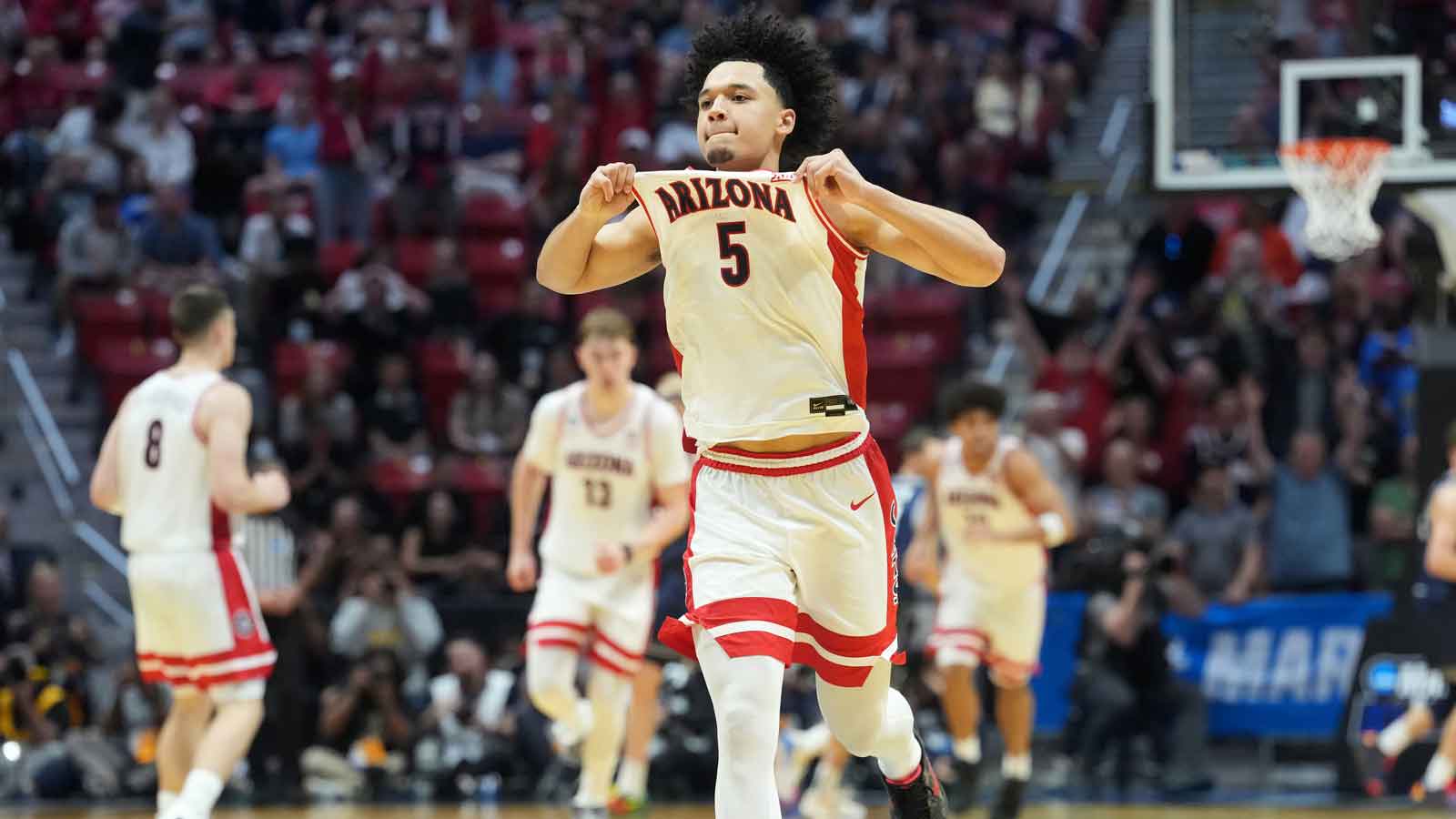
ROUND 1: G Brayden Burries (No. 10), F Nate Ament (No. 13)
ROUND 2: F Malique Lewis (No. 60)
ADDITIONAL ASSETS: NONE
As good as Brayden Burries is, was he the right choice for the Milwaukee Bucks? Tyler Herro, Jaime Jaquez Jr., and Kasparas Jakucionis join Ryan Rollins and Kevin Porter Jr. in Milwaukee’s backcourt, and now Taylor Jenkins will be tasked with finding minutes for Burries. No matter what, Burries will be an impactful secondary talent right away. But with all this talent around him and having to compete for minutes, Burries’ overall ceiling took a hit by the Bucks taking him.
Nate Ament was widely expected to be drafted by the Bucks, especially since co-owner Jimmy Haslam gave $130 million to Tennessee at the start of June. In time, Ament could become an all-around offensive weapon as a 6’10” wing. He could also be the biggest bust out of all the lottery picks in this draft. The good news is that the Bucks have time to figure everything out and ease Ament into action instead of rushing his development.
Minnesota Timberwolves: B+
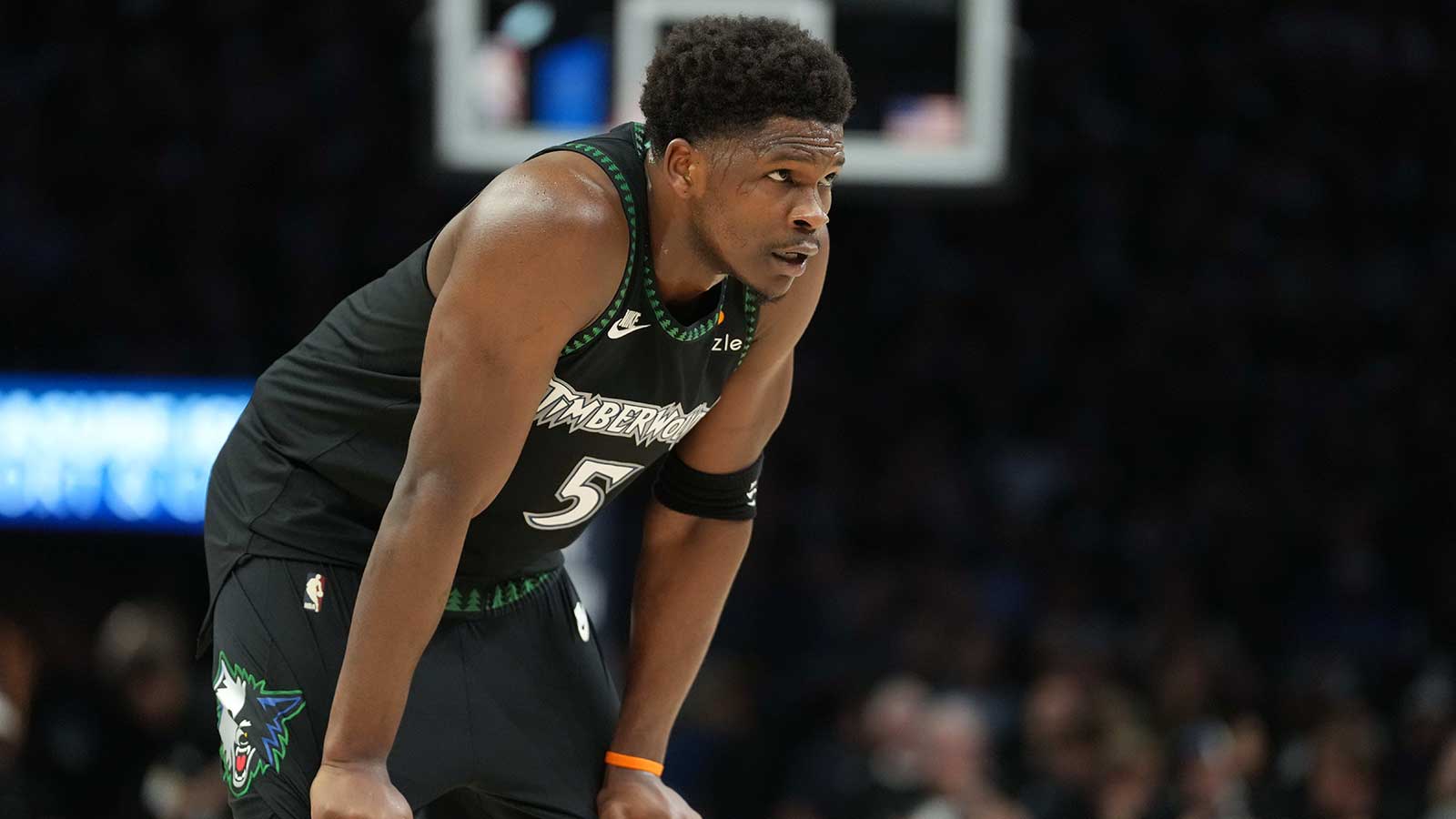
ROUND 1: NONE
ROUND 2: G/F Isaiah Evans (No. 33), F Trey Kaufman-Renn (No. 59)
ADDITIONAL ASSETS: NONE
It is key for the Timberwolves to add depth and possibly another star alongside Anthony Edwards after trading away Julius Randle. Depth was certainly on Tim Connelly’s mind in the second round of the draft by adding two established collegiate veterans in Isaiah Evans and Trey Kaufman-Renn.
Evans somehow slipped to the second round despite being rated across the board as a first-round prospect, and he brings immediate 3-and-D traits to a high-energy Timberwolves squad. While his measurables and stature are similar to a skinny Brandon Ingram when he was at Duke, Evans’ style of play is similar to that of Aaron Nesmith. It took him some time, but Nesmith developed behind the scenes and worked hard to become a 3-and-D wing before bursting onto the scene in Indianapolis.
As for Kaufman-Renn, he was one of the leaders at Purdue, consistently having them ranked near the top of the AP poll. He will be a plug-and-play forward for the Wolves who enters the league as a strong rebounder who can also guard multiple positions. Overall, Minnesota got good value with Evans and extra depth at the forward positions with Kaufman-Renn.
New Orleans Pelicans: C
ROUND 1: NONE
ROUND 2: G Jaron Pierre Jr. (No. 58)
ADDITIONAL ASSETS: NONE
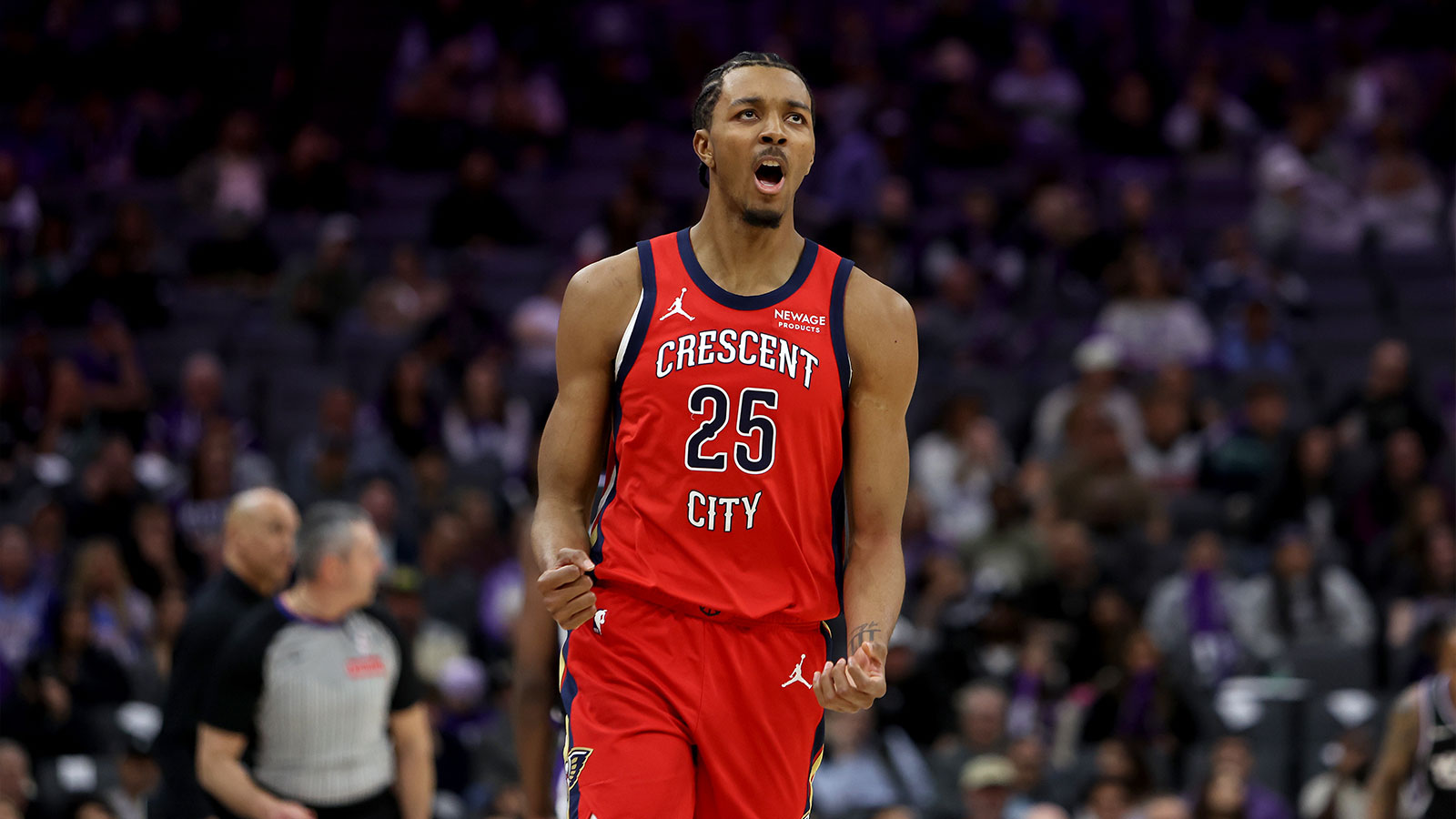
There was a ton of chatter about the New Orleans Pelicans possibly moving Trey Murphy III during the draft. That did not happen. There was then talk about them trying to move into the top 20 after failing to trade into the top 10. That did not happen.
The Pelicans did not do anything to really help themselves in this year’s draft, and now there are a ton of questions about what direction they are going. We are in wait-and-see mode with the Pelicans this offseason, especially after they added Jaron Pierre Jr., who will likely accept a two-way contract.
New York Knicks: A
ROUND 1: NONE
ROUND 2: G Jack Kayil (No. 39), G/F Tyler Nickel (No. 47)
ADDITIONAL ASSETS: SAC 2029 2nd round pick (via HOU), PHX 2029 2nd (via PHX), PHI 2030 2nd (via DAL), 2032 2nd (via DAL), PHX 2033 2nd (via PHX), draft rights to: Melvin Ajinca (via DAL), Louis Labeyrie (via LAL), Chinemelu Elonu (via LAL) & Cash Considerations (via LAL)
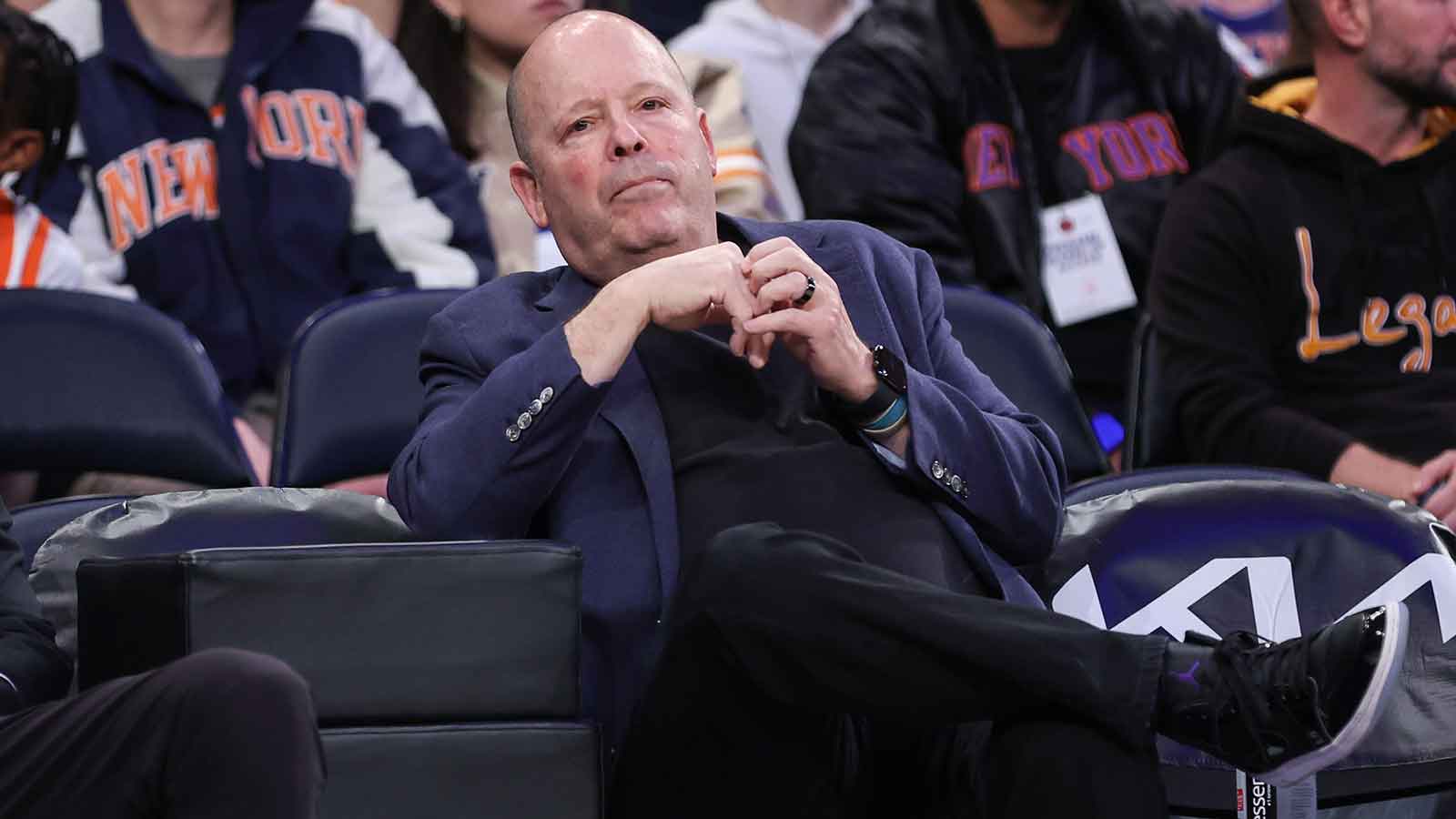
This was an eventful draft for the Knicks, who made a ton of moves.
Trading out of the first round was a cost-saving move for the Knicks, who are right up against the second apron. New York has the best basketball nerds in the business, and I say that in the most positive way possible because they crunch the numbers down to the final penny to remain in good financial standing. The defending champions may not be able to bring Mitchell Robinson back in free agency without crossing into the second apron, but the Knicks’ front office is very calculated with all their moves. Moving down to the second round and making further moves after trading the No. 24 pick was deliberate for a greater goal that is to come later this offseason.
What is hilarious about the four-team trade the Knicks made at the end of the first round is that they now own the draft rights to 19 players, which is ridiculous since none of them will ever join the NBA.
The Knicks gained multiple future second-round picks, a draft-and-stash player in Jack Kayil, and a sharpshooting wing in Tyler Nickel, who will be a candidate for a two-way contract.
Oklahoma City Thunder: A-
ROUND 1: C Aday Mara (No. 12), G Bennett Stirtz (No. 16)
ROUND 2: G Otega Oweh (No. 41)
ADDITIONAL ASSETS: Cash Considerations (via MIA)
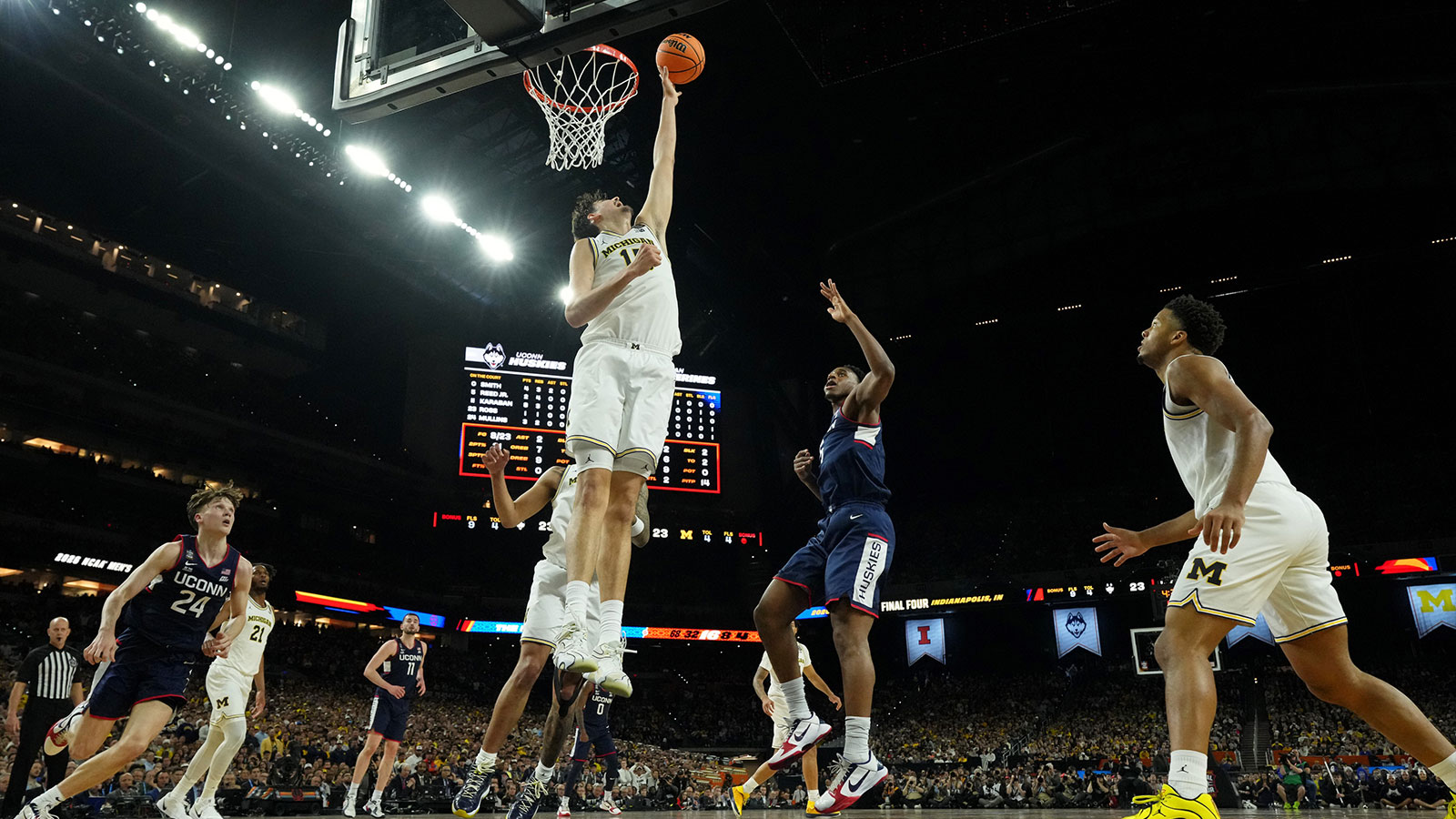
Once again, Sam Presti put together one of the best drafts out of any other executive in the league. For weeks, the Thunder had been exploring ways to move up in the 2026 NBA Draft, with the assumption being that they wanted either Aday Mara or Nate Ament. Well, both players were ironically on the board for OKC at No. 12, and Mara was the pick for extra rim protection and size next to Chet Holmgren.
The best part about drafting Mara is that he still has room to grow despite being ready to play right now. Unlike most seven-footers who can move much, Mara possesses great footwork and can stretch his game to the perimeter, both as a shooter and a high-IQ passer.
Shortly after taking Mara, the Thunder then dealt two future second-round picks and the No. 17 pick to Memphis for Bennett Stirtz. The Thunder clearly needed another ball handler behind Shai Gilgeous-Alexander in the playoffs, and Stritz’s presence gives Oklahoma City a security blanket. Also, he’s a terrific shooter off the dribble and could eventually replace either Isaiah Joe or Cason Wallace should Presti look to move one of them to cut costs.
The Thunder only trade future draft picks, first- or second-rounders, if they really like a player, so I would anticipate seeing Stirtz on the court during his rookie year. Otega Oweh was a sneaky second-round pick by Oklahoma City as well, and he would be a great two-way contract signing.
Orlando Magic: B+
ROUND 1: NONE
ROUND 2: C Izaiyah Nelson (No. 51)
ADDITIONAL ASSETS: Cash Considerations (via MIL)
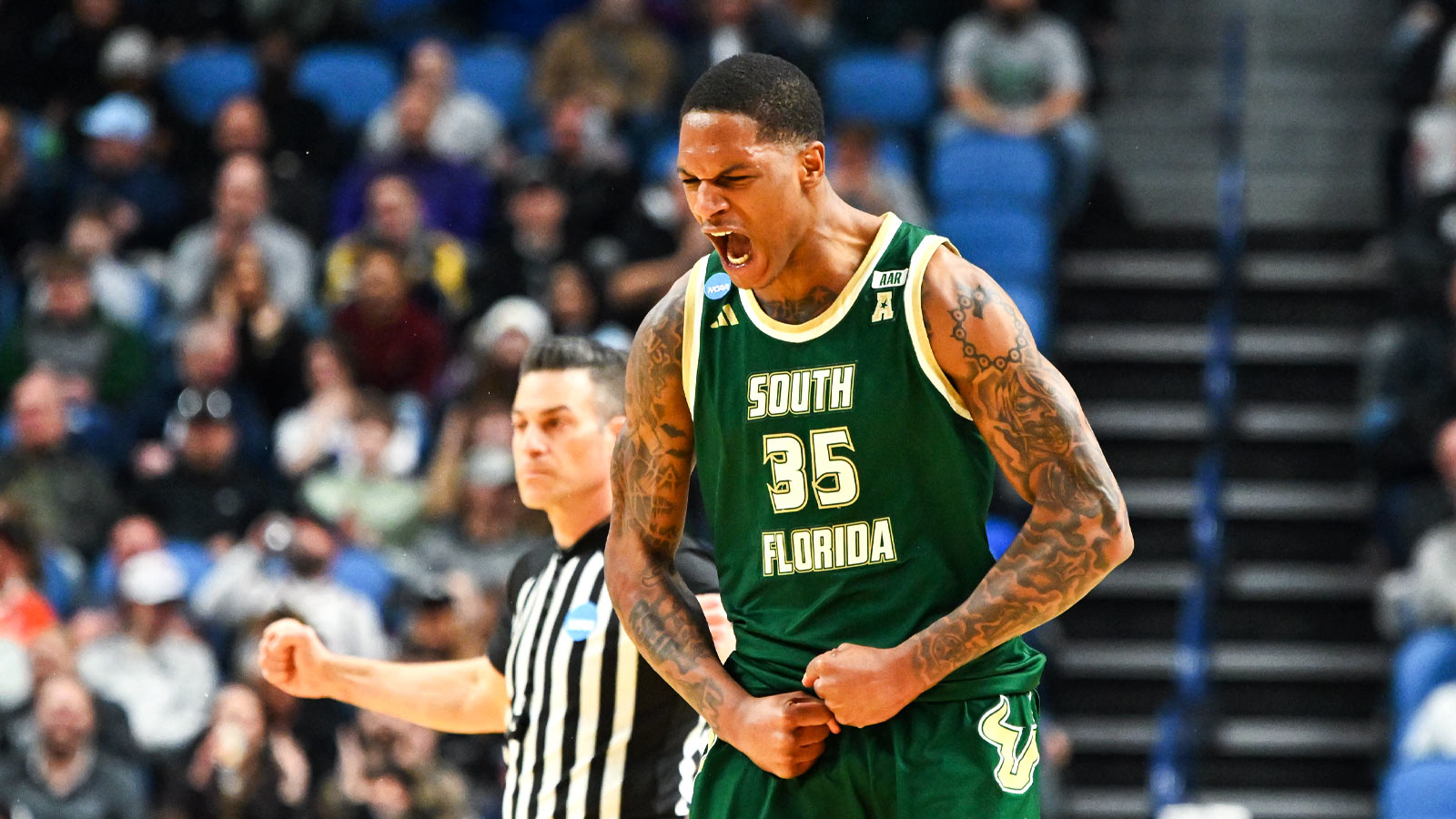
The Magic needed more frontcourt help behind Wendell Carter Jr., and they found a really strong big man late in the second round.
Izaiyah Nelson is an athletic, defensive-minded center with a 7’3″ wingspan and elite knowledge of where to be as a help-side defender at the rim. While he may be limited on offense outside of the paint, Nelson can provide immediate depth and fit into what will be a defensive-focused system in Orlando under new head coach Sean Sweeney. I like this pick and the fit a lot, and for Nelson, he gets to stay in Florida.
Philadelphia 76ers: B+
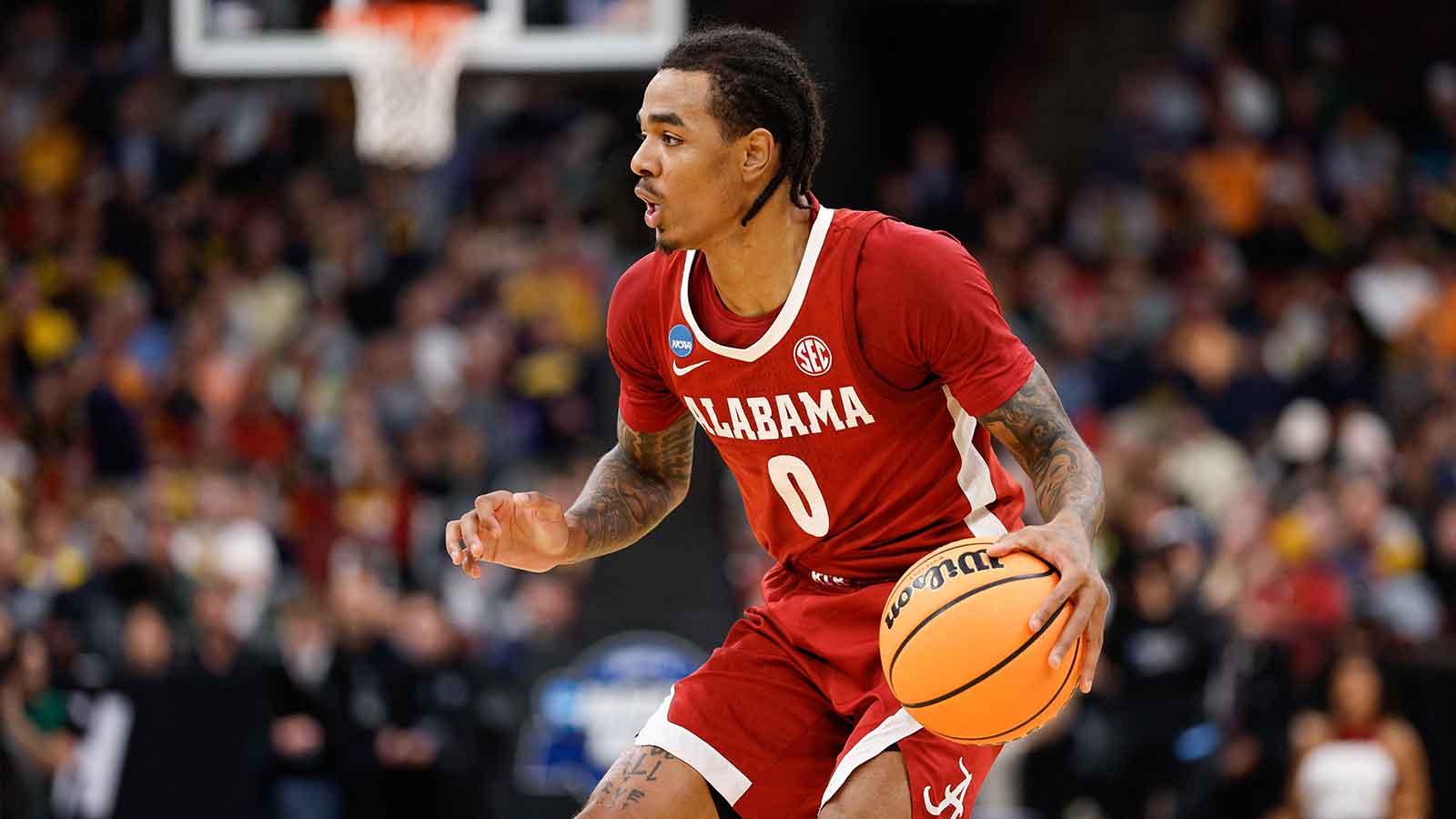
ROUND 1: G Labaron Philon Jr. (No. 22)
ROUND 2: NONE
ADDITIONAL ASSETS: NONE
Doesn’t seem like drafting Labaron Philon Jr. was the 76ers’ new front office admitting that Daryl Morey messed up by trading Jared McCain? One secondary ball-handling guard and shooter was replaced by another in Philon, who is definitely the best backcourt talent to pair with Tyrese Maxey.
Last season, Maxey played way too many minutes, and that was one of the main reasons why Philadelphia took Philon in this spot. That, and the fact that he is a top-15-rated talent who fell to the 22nd pick. One thing that stands out to me is that Alabama played in a high-octane offense and Philon was their catalyst as their lead guard. He now joins Maxey and VJ Edgecombe on a Sixers roster that can certainly push the pace and get out in transition.
Phoenix Suns: B
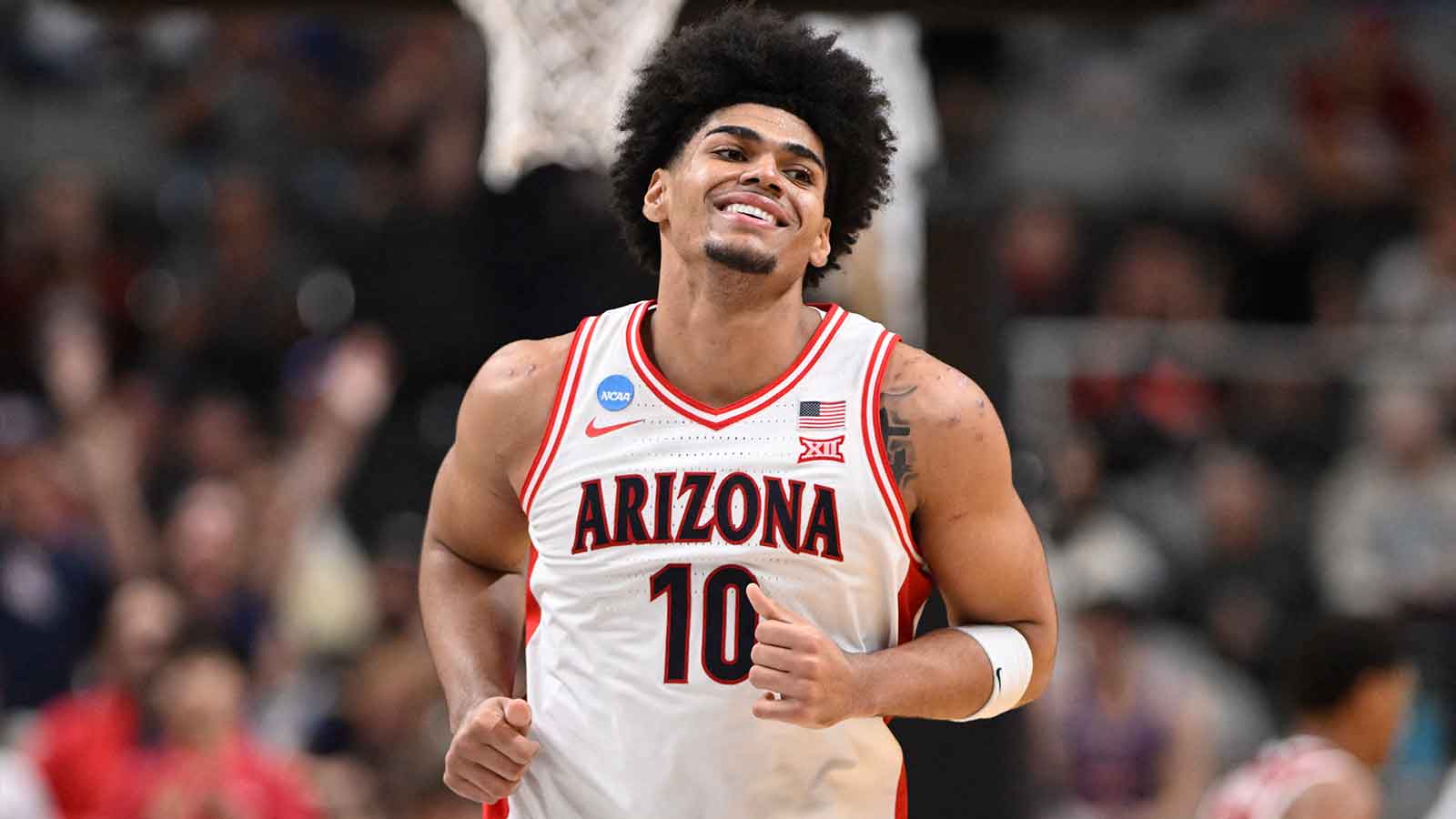
ROUND 1: F Koa Peat (No. 30)
ROUND 2: NONE
ADDITIONAL ASSETS: NONE
It cost the Suns three second-round picks, including the No. 47 pick in the second round this year, but they came away with who they believe is the steal of the draft in Koa Peat. Although shooting is a major concern with Peat, he is still just 19 years old and was a starting forward on a Final Four team as a freshman.
How Phoenix plans to utilize Peat in their rotations is unknown, but he addresses a key need for rebounding and interior scoring. Peat can work on his shooting behind the scenes while adding value as a youthful option who can run in transition, rebound, and score as a cutter or slasher off the ball.
The Suns are always aggressive when it comes to sacrificing future draft picks for players they believe can develop and fit a need on their roster. That is why they took the small risk with Peat in this spot.
Portland Trail Blazers: F
ROUND 1: NONE
ROUND 2: NONE
ADDITIONAL ASSETS: NONE
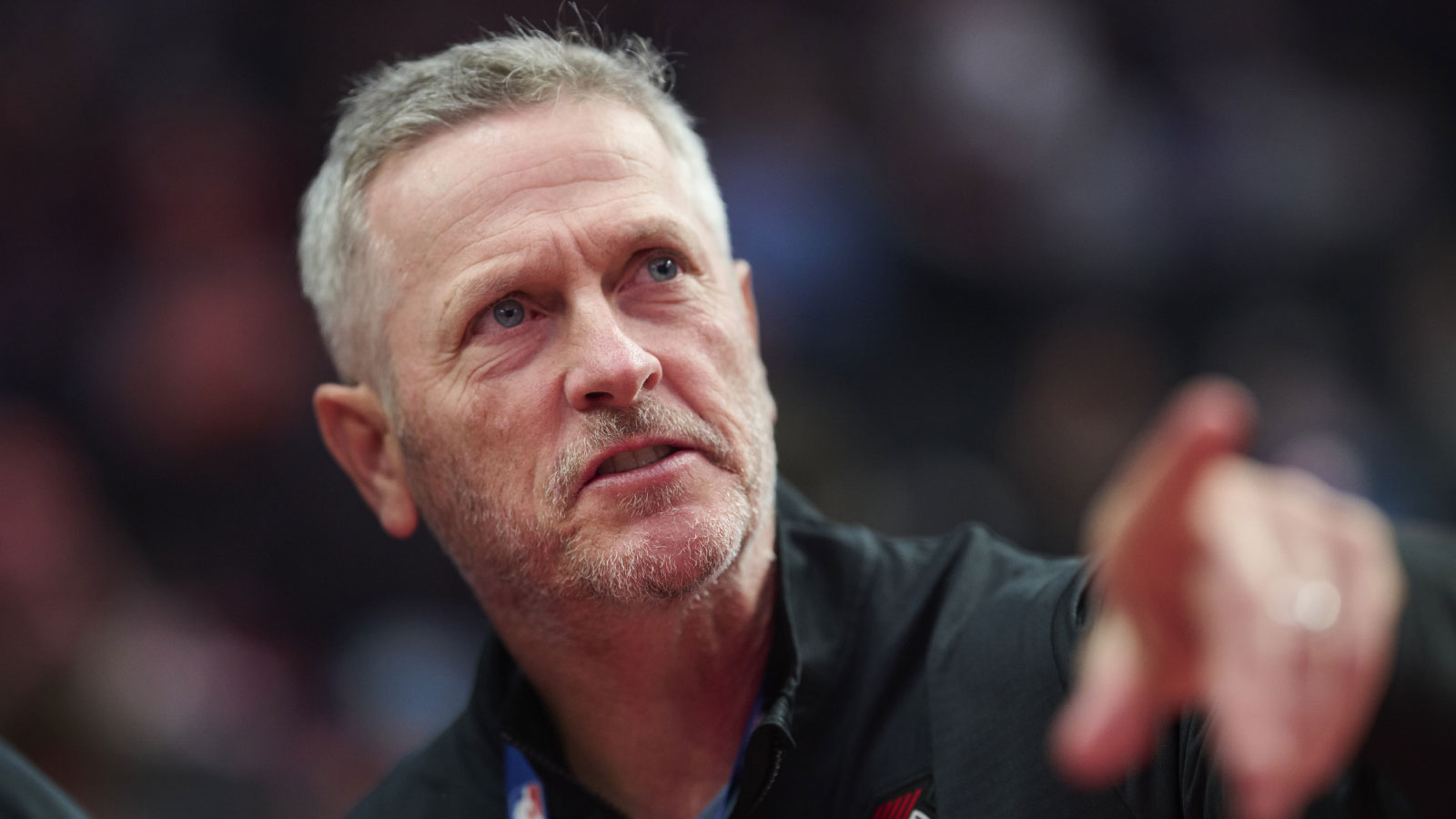
New Blazers owner Tom Dundon gave Micah Nori the most disrespectful coaching contract of all time before the NBA Draft, and then his team did nothing. Absolutely nothing. Portland could’ve at least bought a second-round pick to add some type of talent, but that would’ve cost Dundon money, and that’s not acceptable apparently.
Sacramento Kings: A
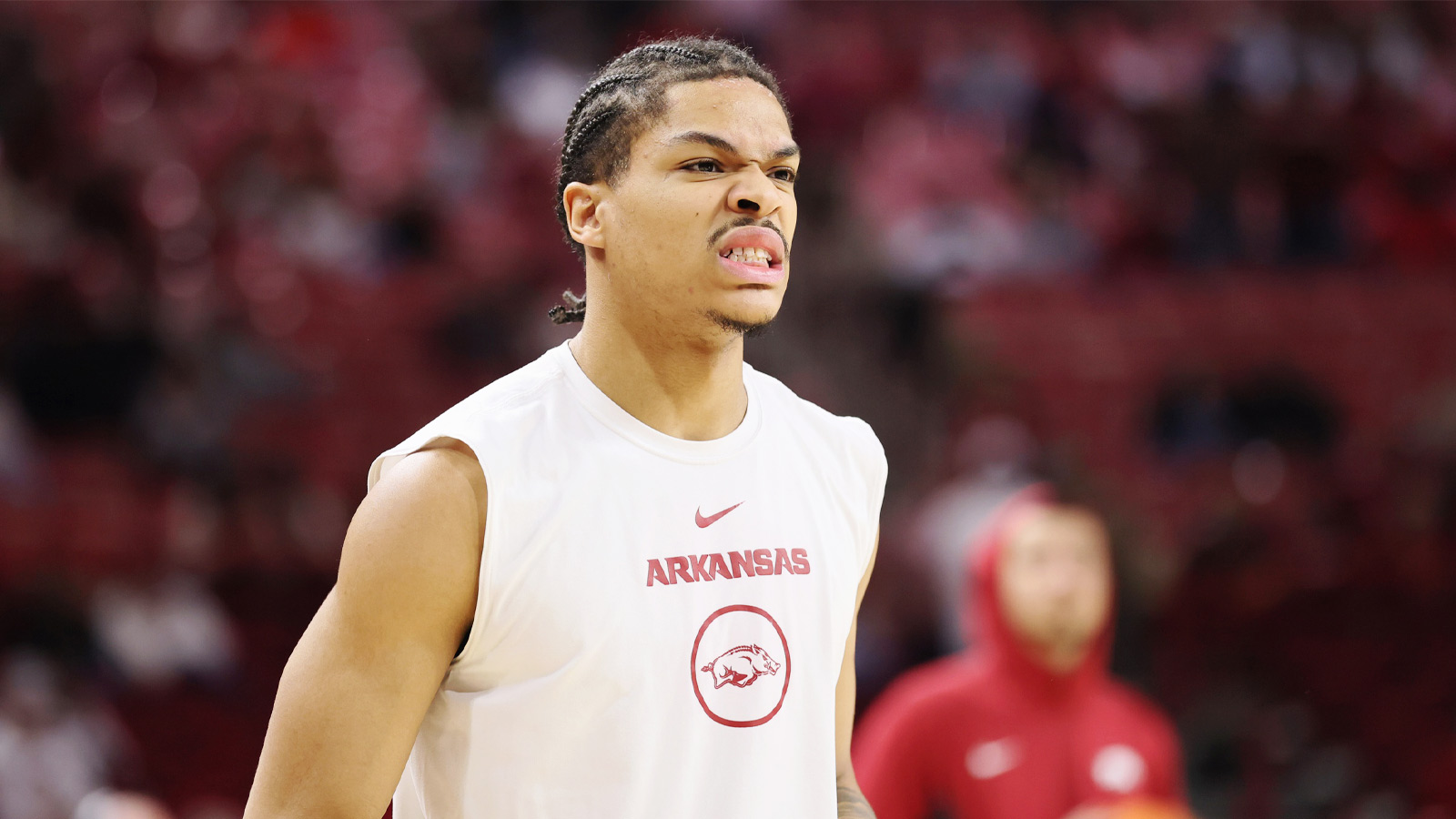
ROUND 1: G Darius Acuff Jr. (No. 7), F Alex Karaban (No. 29)
ROUND 2: G Emanuel Sharp (No. 45)
ADDITIONAL ASSETS: NONE
Darius Acuff Jr. was the player the Kings wanted ever since they were awarded the seventh pick during the NBA Draft Lottery. Everyone in the league knew this, yet they still let this offensive star drop to Sacramento.
As good as the fit is here, and we can talk about Acuff’s scoring prowess and arsenal all day, how about we give some credit to Scott Perry and this Kings’ front office? Despite the Clippers and Nets consistently threatening to take Acuff unless the Kings traded up, Perry stood tall and pushed back against all of these rumors. For once, the Kings are playing to their agenda and not another team’s agenda, which is nice to see.
Then at the end of the first round, the Kings moved up from the second round to take a bona fide winner in Alex Karaban, who has two national championships on his resume. Karaban is a terrific shooter at either forward spot and is an instant plug-and-play talent for the Kings. Maybe they didn’t need to trade up, but the Kings need guys who want to be there and want to win. That is what Karaban brings.
In the second round, Emanuel Sharp brings 3-point shooting to the table for the Kings, as well as veteran leadership after multiple deep NCAA Tournament runs at Houston. It is clear that the Kings wanted high-character guys in this draft and those who are willing to sacrifice for the betterment of the team.
San Antonio Spurs: B+
ROUND 1: C Jayden Quaintance (No. 20), Tarris Reed Jr. (No. 26)
ROUND 2: G Ja’Kobi Gillespie (No. 42), F Maliq Brown (No. 44)
ADDITIONAL ASSETS: NONE
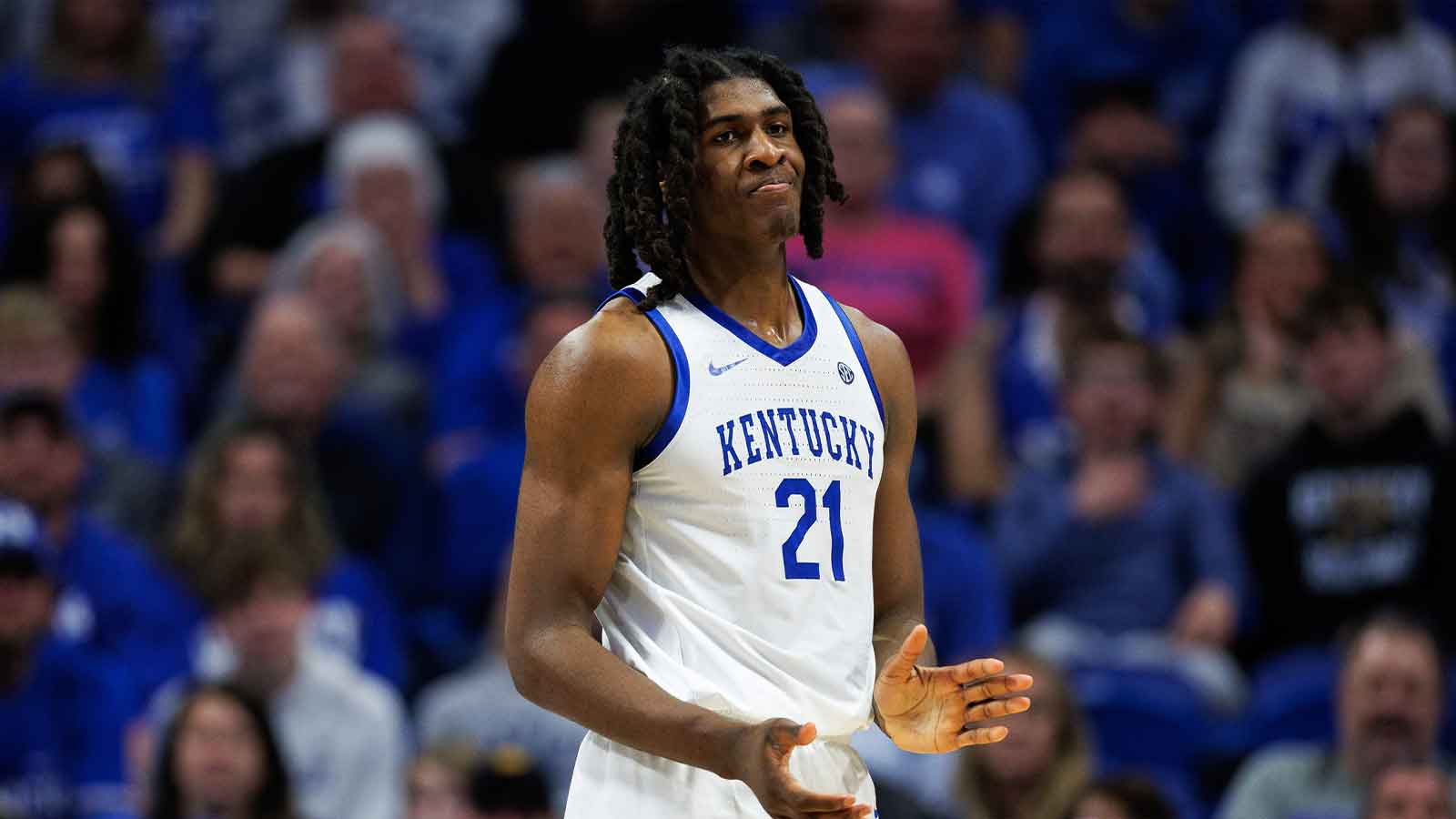
Will this risk pay off for the San Antonio Spurs? Initially, I thought this was a big risk for the Spurs with the No. 20 pick, especially with other centers on the board, but after adding Tarris Reed Jr. six picks later, San Antonio bought themselves an insurance policy on Quaintance at the cost of two future second-round picks.
If Quaintance is healthy, and this is a big if, he can grow into an elite rim protector and defensive option in the Spurs’ frontcourt. Before the college season, the Kentucky big man was viewed as a potential lottery pick, but he fell off a lot of draft boards due to concerns surrounding his knee health. Although Quaintance will likely miss a vast majority of his rookie season, if not all of it, Reed’s rebounding and rim protection give the Spurs immediate depth behind Victor Wembanyama.
With both of them on the roster, the Spurs now have two viable secondary centers to turn to as key pick-and-roll threats and size in the paint. This draft turned out perfectly for the Spurs in the first round, not to mention the key depth they got in Ja’Kobi Gillespie and Maliq Brown in the second round. Brown is another insurance big man who will likely sign a two-way contract, and Gillespie also will likely receive a two-way deal as a key 3-point-shooting weapon.
Toronto Raptors: B
ROUND 1: F Allen Graves (No. 19)
ROUND 2: G Jaden Bradley (No. 50)
ADDITIONAL ASSETS: NONE
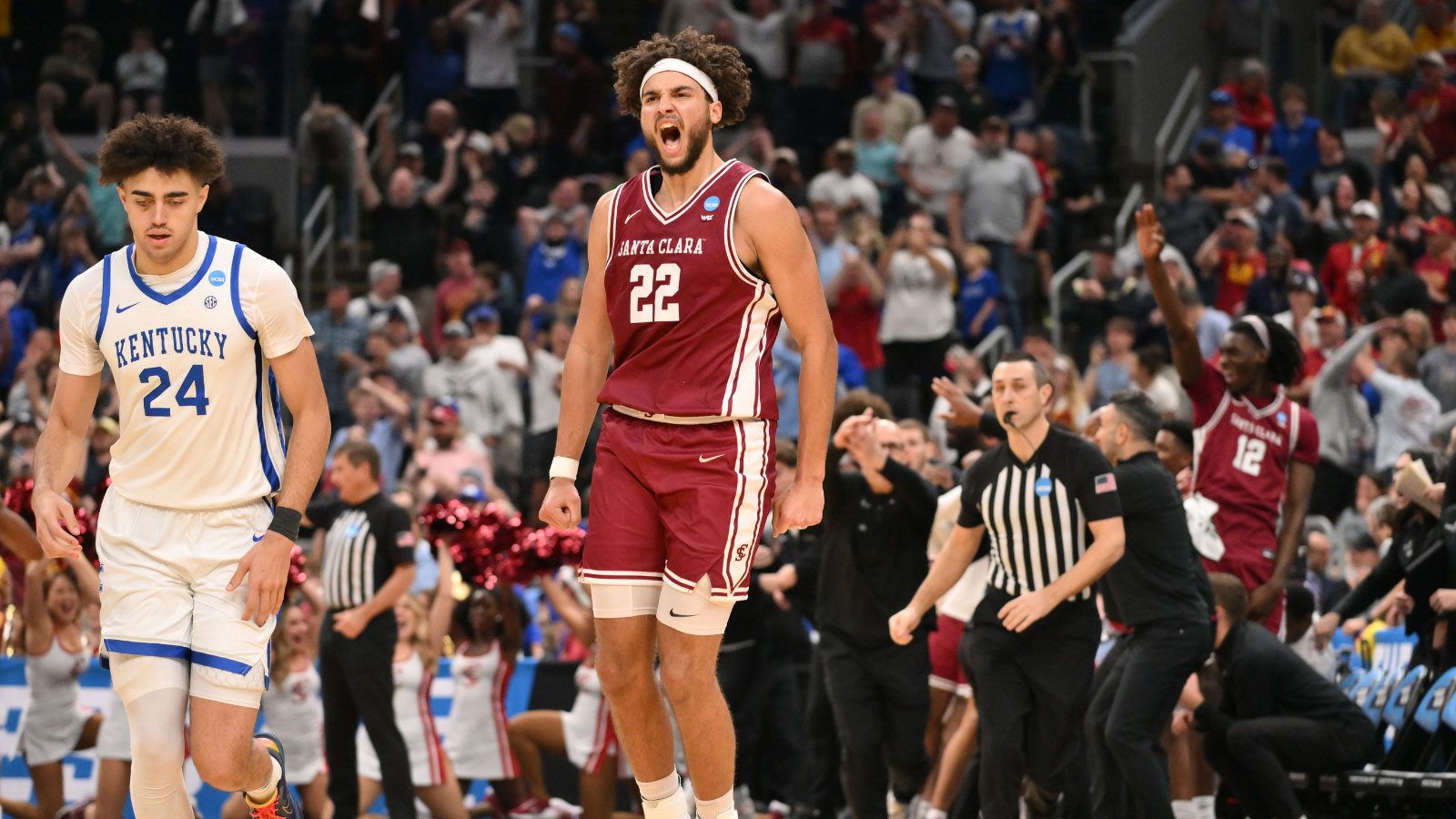
For weeks, the Raptors had been linked to Allen Graves, as reported by ClutchPoints. Graves is a very smart, analytic-darling-like player at either forward position who is extremely efficient and doesn’t really have any weaknesses to his game. That is why he’s a fit next to Scottie Barnes on the Raptors’ roster.
Graves makes up for his lack of athleticism with key 3-and-D play as a rotational forward who can even help his team’s guards by bringing the ball up the floor and being a secondary facilitator. On paper, this pick doesn’t make a whole lot of sense from a positional standpoint, but you can never have enough length and versatility at the forward positions in the NBA.
Bobby Webster understands that, which is why the Raptors fell in love with Graves.
Utah Jazz: A+
ROUND 1: G Darryn Peterson (No. 2)
ROUND 2: NONE
ADDITIONAL ASSETS: NONE
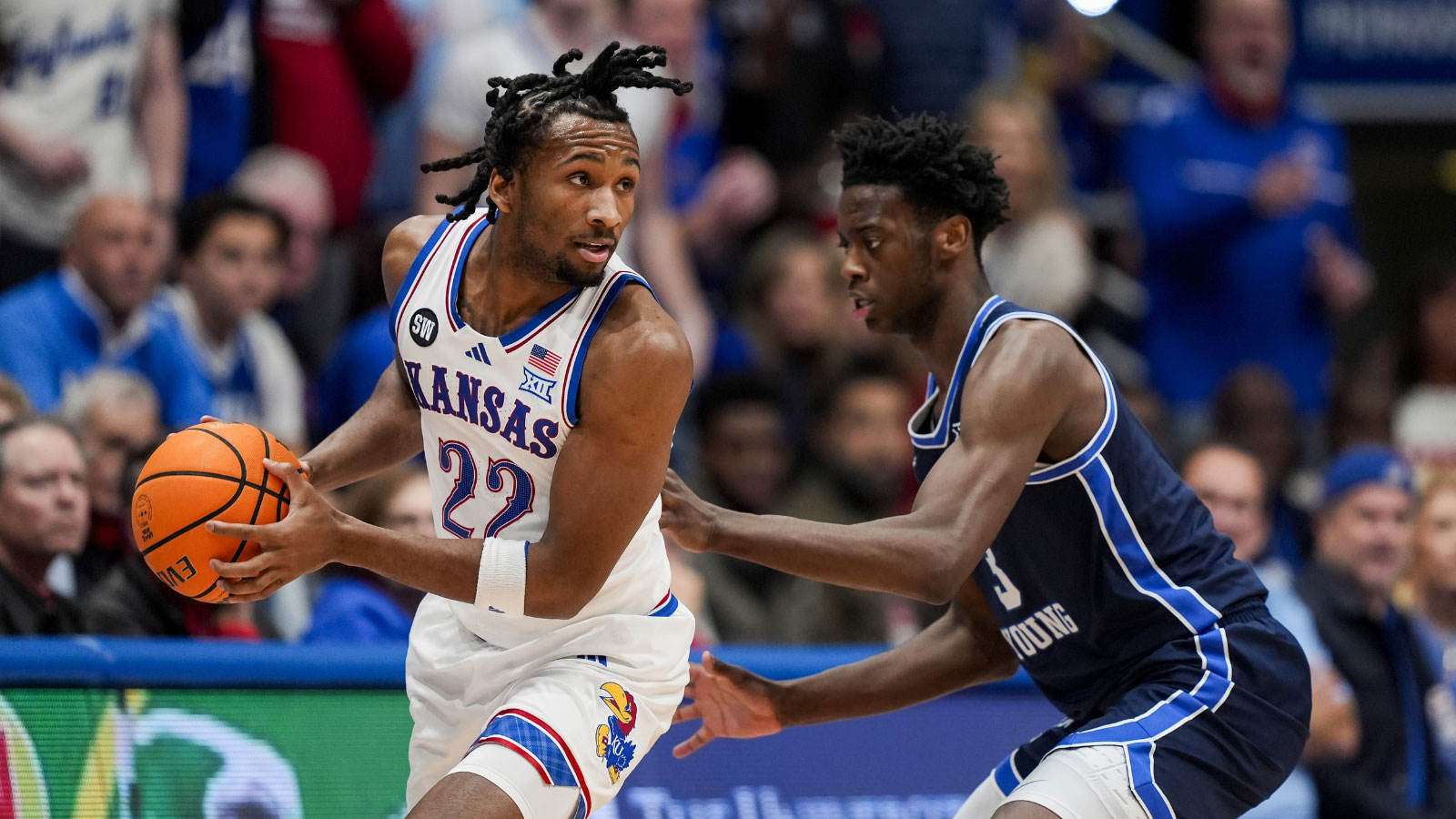
Although he would’ve preferred to be the No. 1 pick, Darryn Peterson could not have ended up in a better situation. The Jazz are on the rise in the Western Conference, and he becomes a focal point now on a team that already has Lauri Markkanen, Jaren Jackson Jr., Walker Kessler, Keyonte George, and Ace Bailey.
Just the backcourt pairing alone with George makes this pick a high grade in itself, but Peterson will be the final piece to the puzzle for Utah to finally get back into contention in the Western Conference. His cramping and injury issues at Kansas are a thing of the past, and Peterson now enters the NBA with a chip on his shoulder.
The Jazz really couldn’t go wrong drafting either Dybantsa or Peterson, whoever the Wizards decided not to take No. 1, but this is truly the best outcome for them when you look at the long-term potential and future.
Washington Wizards: A+
ROUND 1: F AJ Dybantsa (No. 1)
ROUND 2: C Felix Okpara (No. 46)
ADDITIONAL ASSETS: NONE
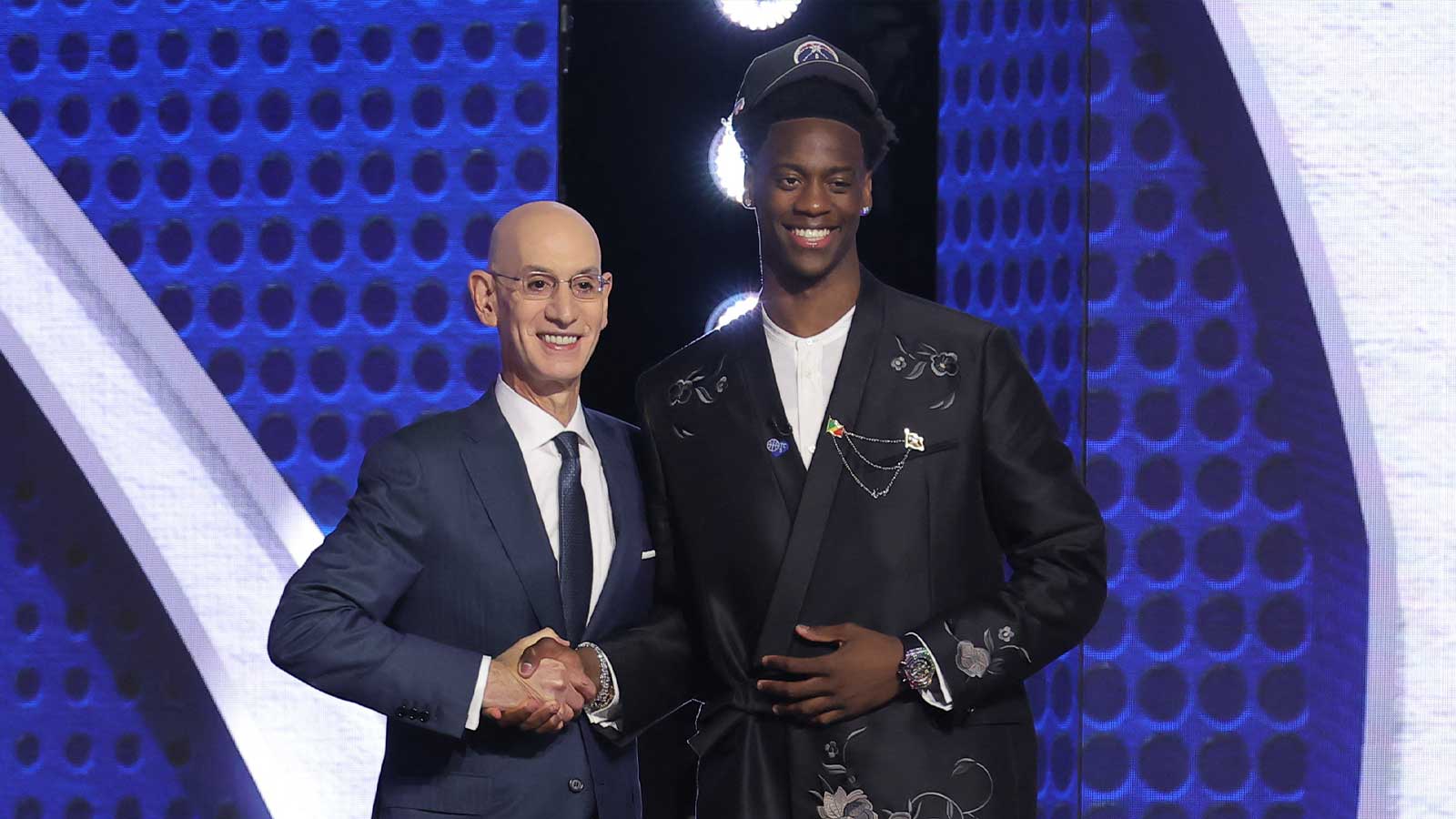
AJ Dybantsa is officially the No. 1 pick in the 2026 NBA Draft and ready to take the Wizards back to the playoffs, a place they haven’t been since 2021. Washington hasn’t even won a playoff series since 2017, yet Dybantsa and this new-look Wizards squad are already talking about competing for championships in the future.
I don’t know about that, but Dybantsa provides the Wizards with the dynamic scoring wing they haven’t had in quite some time. He fits in perfectly alongside All-Stars Trae Young and Anthony Davis, and Dybantsa could just become one of the most unstoppable offensive weapons in the entire NBA.
The Wizards have depth at every position, almost their entire roster is on rookie contracts outside of Young and Davis, and they now have a clear-cut No. 1 scoring option to rely on. As good as Peterson is and could be down the line, Dybantsa was always the obvious choice for Washington.
The post 2026 NBA Draft: Grading all 30 teams’ picks appeared first on ClutchPoints.