The Las Vegas Raiders’ quarterback situation is currently one of the most intriguing storylines in the league. While Fernando Mendoza is the No. 1 overall pick, an ESPN insider has suggested that the team may prefer Aidan O’Connell over rushing the rookie onto the field. Additionally, with big-name wide receivers still available in the market, it’s clear that the Raiders are not just building around Mendoza, as they are ensuring the roster is fully prepared before giving him the reins.
This makes the 2027 PFF mock draft simulator class interesting. Las Vegas starts with a premium defensive player and then spends the middle rounds of the draft focusing on adding offensive weapons and protection.
Round 1, Pick 4: Colin Simmons, Edge Rusher, Texas
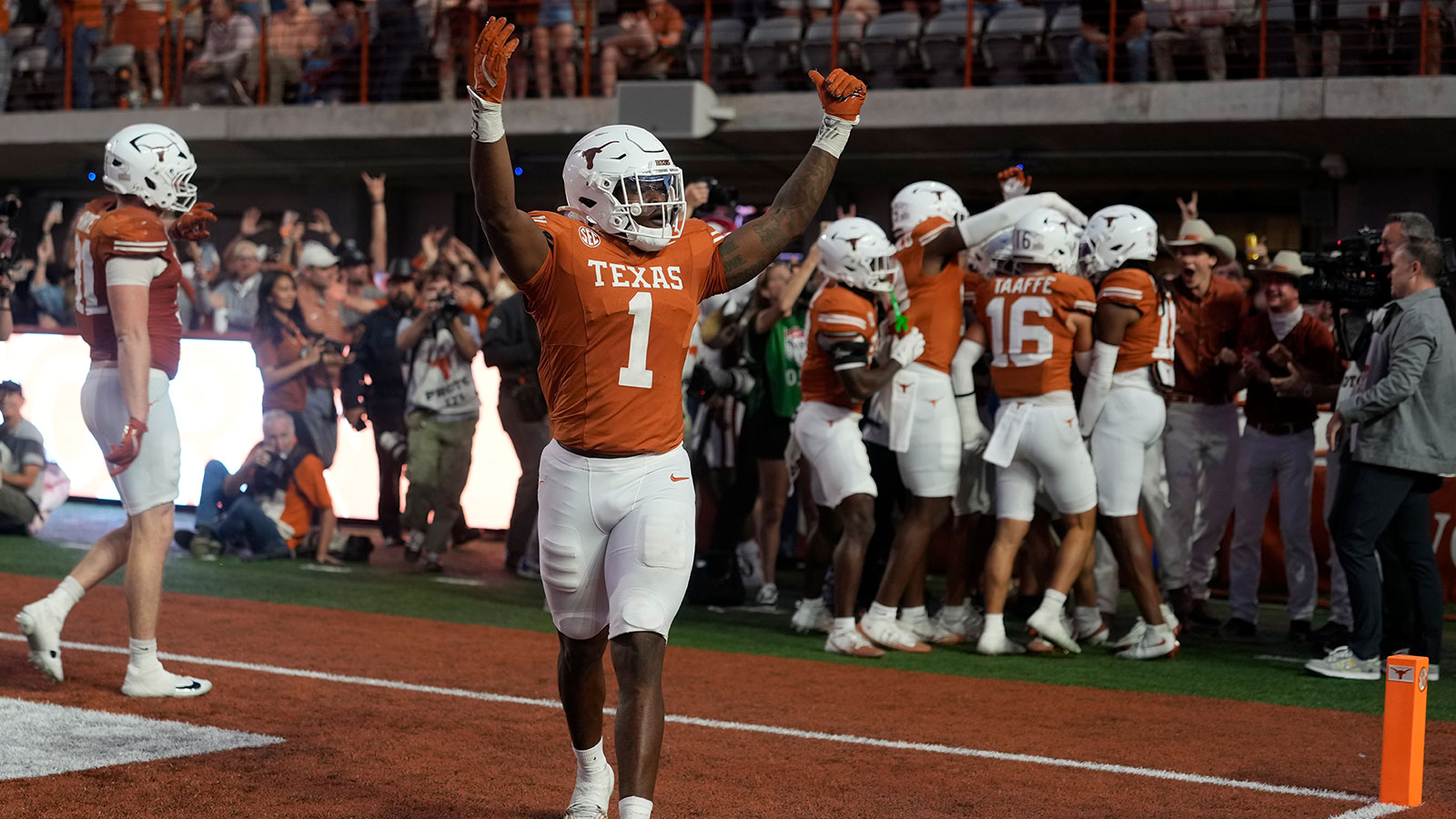
Colin Simmons is the type of player the Raiders should eagerly select. He is one of the most explosive defensive players in college football and possesses the kind of edge-rushing ability that can transform the entire identity of a defensive front seven. Even though he is slightly undersized compared to traditional power rushers, his game relies on quickness, agility, and the ability to disrupt a tackle’s set before the play fully develops.
Las Vegas understands the importance of elite edge play, having spent years searching for the right combination of pressure and toughness to build a long-term defensive identity. Simmons would provide the Raiders with a foundational pass-rusher who can make an immediate impact and develop into a central figure on the defense.
The only concern is his run-game strength, as he sometimes gets too aggressive upfield and may need to add more functional power at the next level, but at No. 4, the potential upside is too compelling to overlook. A player with this level of explosiveness deserves a high draft position.
Round 2, Pick 36: Ryan Coleman-Williams, Wide Receiver, Alabama
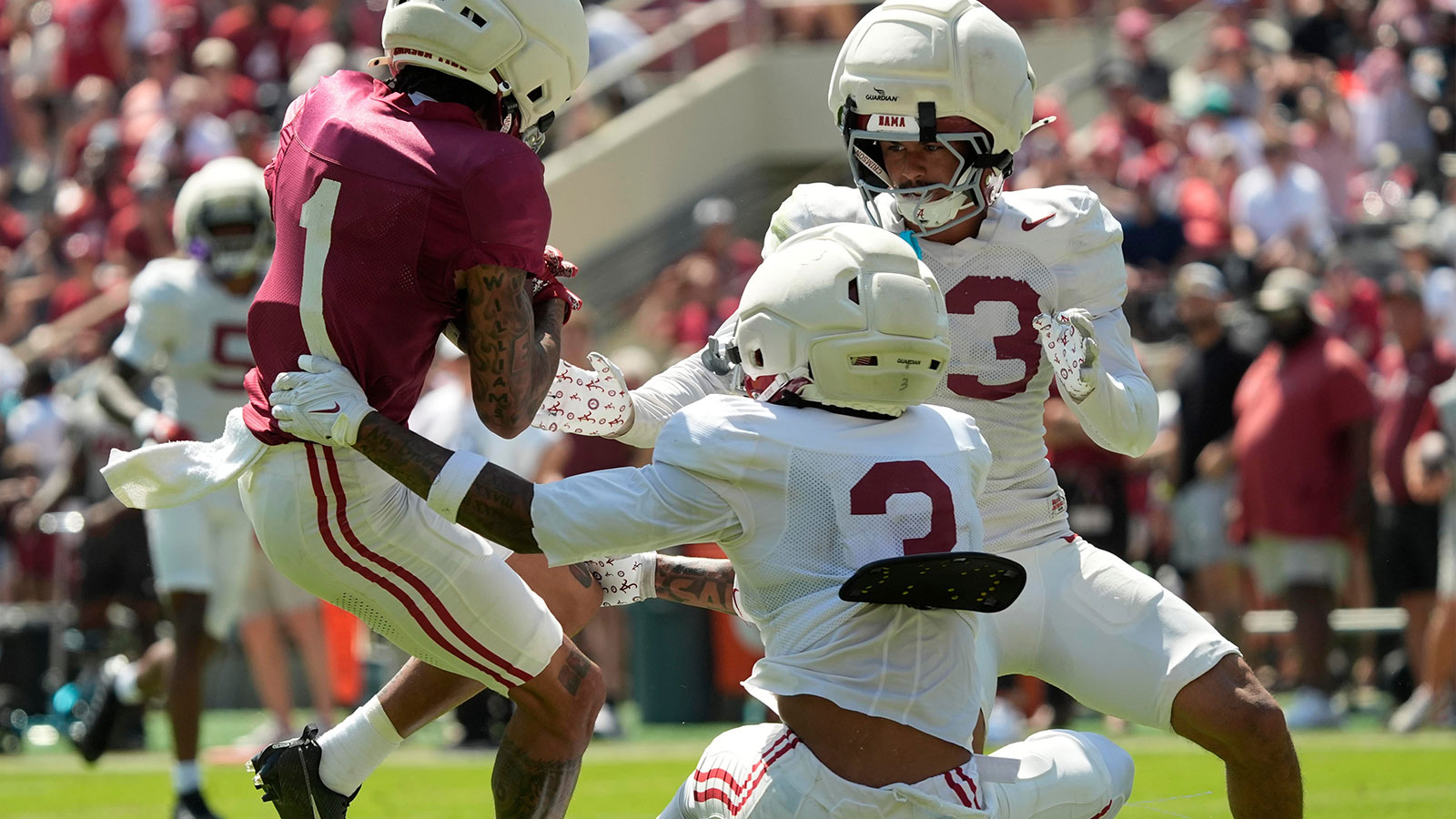
Ryan Coleman-Williams is the ideal receiver for the Raiders if they are serious about developing Mendoza effectively. While Las Vegas can talk about being patient with their quarterback, true patience is only viable if the young passer has a solid supporting cast.
Coleman-Williams offers the offense a dynamic option with the potential to make big plays, and he was a significant contributor at Alabama, showcasing his acceleration, body control, and ability to turn basic throws into explosive gains.
He is not the largest receiver in the draft, but he plays bigger than his size suggests, and he has a remarkably high school track record, made an immediate impact at Alabama, and possesses the skill set that fits the modern NFL’s spacing requirements.
Coleman-Wiliams can win vertically, pose a threat after the catch, and create quick separation on routes, keeping the offense on schedule.
Round 3, Pick 68: Greg Johnson, Guard, Minnesota
Greg Johnson may not be the flashiest pick in this simulation, but he could be one of the most crucial.
To evaluate Mendoza fairly, the Raiders must protect him. Many young quarterbacks are hindered by unstable pockets, rushed throws, and constant third-and-long situations. Still, Johnson brings experience as a strong interior blocker from a physical Big Ten offense.
At Minnesota, he was part of a seasoned offensive line and projects to be the kind of guard who wins with power, positioning, and consistency, and even though he isn’t an elite athlete, he has the size and strength necessary to compete against NFL interior defenders.
Round 4, Pick 102: Junior Sherrill, Wide Receiver, Vanderbilt

Junior Sherrill is one of the more exciting fits in this draft class.
At Vanderbilt, Sherrill evolved from a local speed receiver into a more rounded offensive weapon. His production in 2025 displayed growth across the board, with increased volume, impressive yards per catch, and significant touchdown production that demonstrated he was not just a gadget player. He has become the kind of receiver who can serve as a safety blanket for the quarterback without sacrificing big-play potential.
This versatility is important for the Raiders, and while Coleman-Williams provides the explosive threat, Sherrill offers polish, toughness, and flexibility to play both slot and outside receiver roles. He isn’t the tallest receiver, but he possesses sufficient burst to separate and has a keen sense for finding open space.
This also aligns with the plan for Mendoza. A young quarterback needs receivers who can create separation and sustain drives. Sherrill has the potential to be that kind of player.
Round 5, Pick 142: Peter Clarke, TE, Temple
Peter Clarke is a Day 3 tight end with conspicuous traits. Standing at 6-foot-6 and weighing 265 pounds, he possesses genuine NFL size.
His journey is also unique, originating from London and progressing through the NFL Academy pipeline before developing at Temple. In 2025, his receiving production significantly improved, and his yards-per-catch metric indicates that he is capable of making plays beyond just short checkdowns.
This combination of attributes is worth betting on, and the Raiders need more options in the middle of the field for their quarterback, Mendoza. Clarke can effectively work the seams, box out defenders, and provide a larger presence in the red zone, and while he may need time to develop his blocking skills, a common situation for tight ends entering the league, his physique offers a solid foundation for coaches to build upon.
In Round 5, Las Vegas is choosing a player who brings size, movement skills, and a clear offensive purpose.
Round 6, Pick 182: Rasheem Biles, LB, Texas
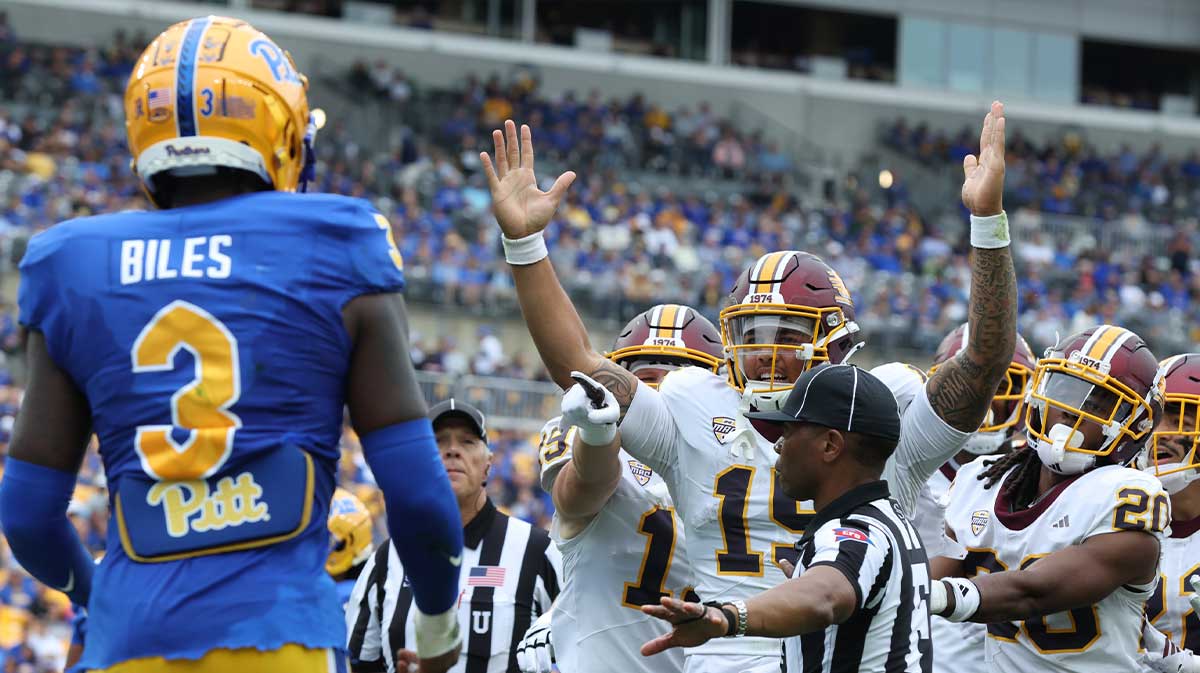
Rasheem Biles is a strong final pick due to his impressive production.
Before transferring to Texas, Biles established himself at Pittsburgh as an active and disruptive linebacker, and he boasted significant tackle numbers, frequently penetrated the backfield, created turnovers, and demonstrated enough coverage ability to avoid being pigeonholed as merely a traditional run-stopper.
This versatility is appealing for them, of course, as Biles plays with speed, attacking downhill, maneuvering through traffic, and creating negative plays. At 6-foot-1 and around 220 pounds, he may not fit the mold of a traditional, hulking linebacker, but modern defenses prioritize speed and instincts over sheer size.
His initial role in the NFL will likely involve special teams while he competes for defensive snaps, which is acceptable for a sixth-round pick. The Raiders would be acquiring a linebacker with genuine production, a knack for finding the ball, and enough versatility to be more than just a training camp body.
This draft strategy would be logical for the Raiders, reflecting an understanding of their current situation. They cannot expect Mendoza to be a magic fix, at least not in the first months, and a first-round pick at quarterback requires a solid foundation. This draft class provides ample support for him while also addressing defensive needs, and adding Simmons would enhance the pass rush, while the subsequent picks would help reshape the offensive framework with speed, size, protection, and options in the middle of the field.
The Raiders still need to determine the right time for Mendoza to start, figure out how aggressively to pursue wide receivers, and prove that the roster surrounding the quarterback is not a potential trap.
While this draft class won’t resolve all issues immediately, it will certainly instill a more serious outlook for the team’s plans moving forward.
The post Raiders’ way-too-early 2027 NFL Draft according to PFF mock draft simulator appeared first on ClutchPoints.