The Minnesota Vikings are heading into an intriguing season, primarily because the quarterback situation could determine the team’s future. J.J. McCarthy has a viable path to outpace Kyler Murray, which might be the best long-term outcome for the franchise.
Simultaneously, the Vikings are addressing the need for additional pass-rush support in the NFC North, making the 2027 PFF mock draft class particularly interesting. It strengthens the trenches, provides quarterback protection, and builds the depth that head coach Kevin O’Connell will need if the Vikings want to move beyond being an “almost” team.
Round 1, Pick 14: Cayden Green, T, Missouri
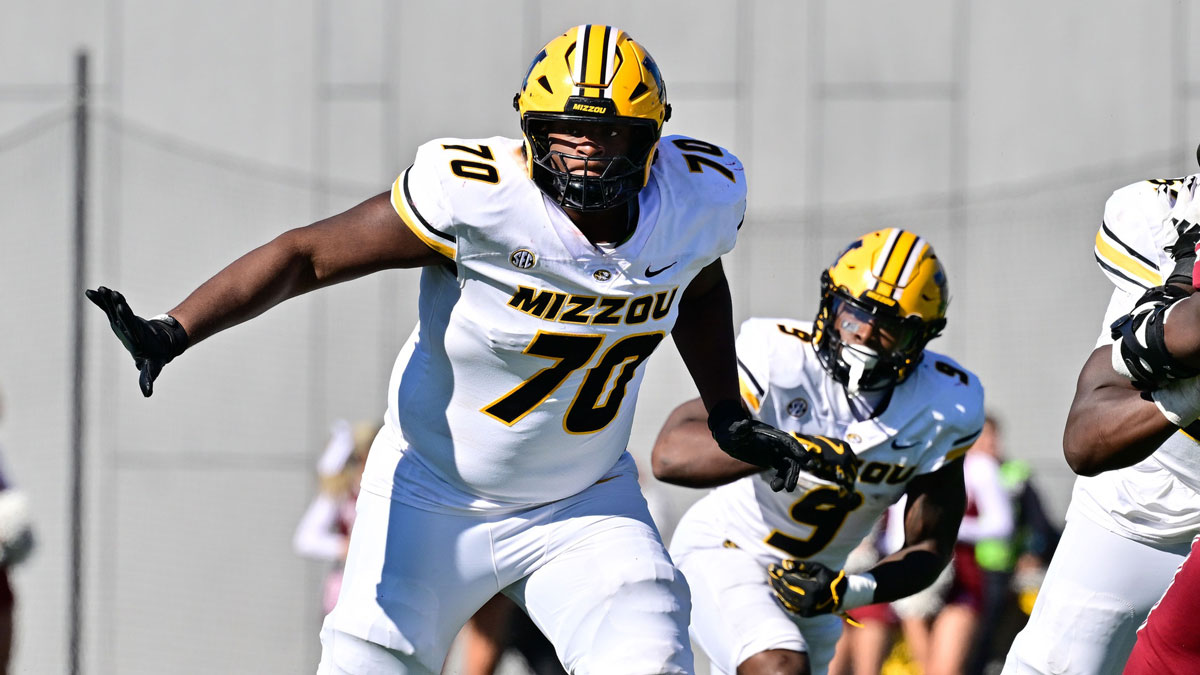
Cayden Green is primarily listed as a tackle, but his real value lies in the flexibility he offers across the offensive line. Having played both guard and tackle at a high level, he possesses a powerful frame, heavy hands, and strong anchor strength, qualities that NFL teams highly value.
For the Vikings, this makes sense regardless of who ultimately wins the quarterback job, and if McCarthy becomes the starter, he will need protection to develop effectively. If Murray retains the position, he requires clean edges and a solid interior to minimize improvisation. Green may eventually excel as an interior lineman, but that isn’t a concern, and Minnesota needs more high-quality answers along the offensive line.
Round 2, Pick 46: Ben Roberts, LB, Texas Tech
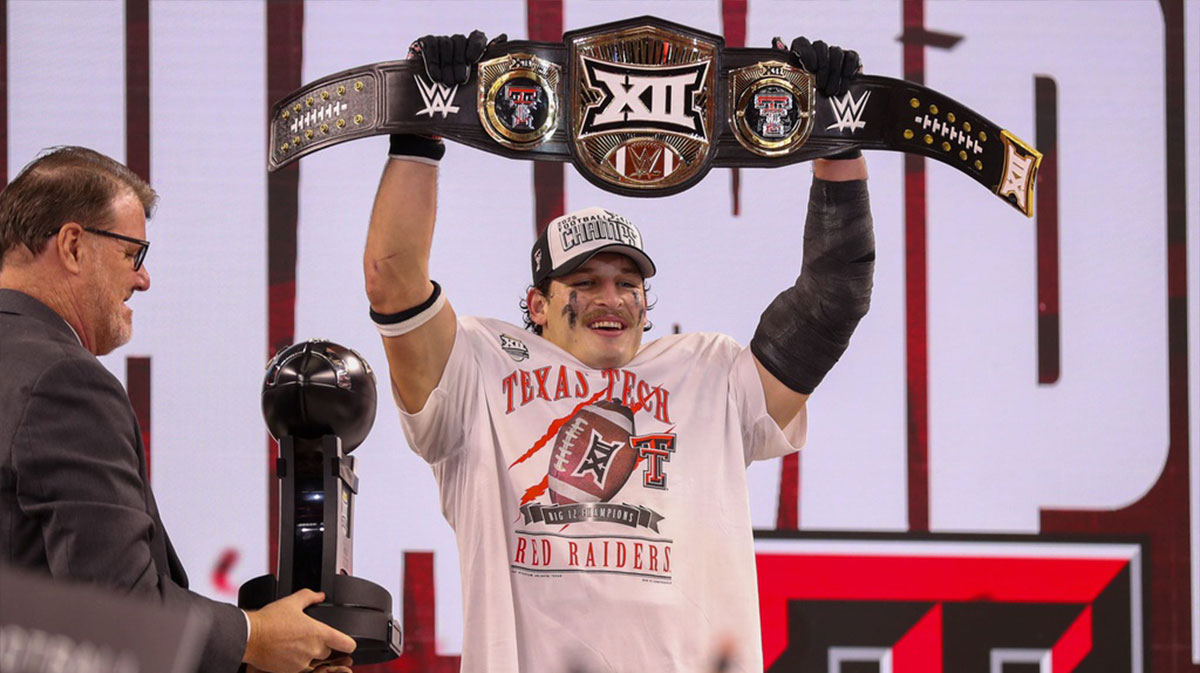
Ben Roberts would provide the Vikings with a tough, productive linebacker who possesses genuine three-down potential. He has been one of the most active defenders in college football, showcasing strong tackling abilities and making significant plays in coverage to avoid being labeled solely as a downhill thumper. His instincts are his strongest asset, as he reads plays quickly, flows well to the ball, and has demonstrated the ability to create turnovers.
The Minnesota defense requires linebackers capable of thriving in space while maintaining physicality in the run game, and Roberts fits this profile. He may not be the flashiest second-round pick, but he plays as if he could emerge as a dependable defensive signal-caller.
Round 3, Pick 78: Jayden Maiava, QB, USC
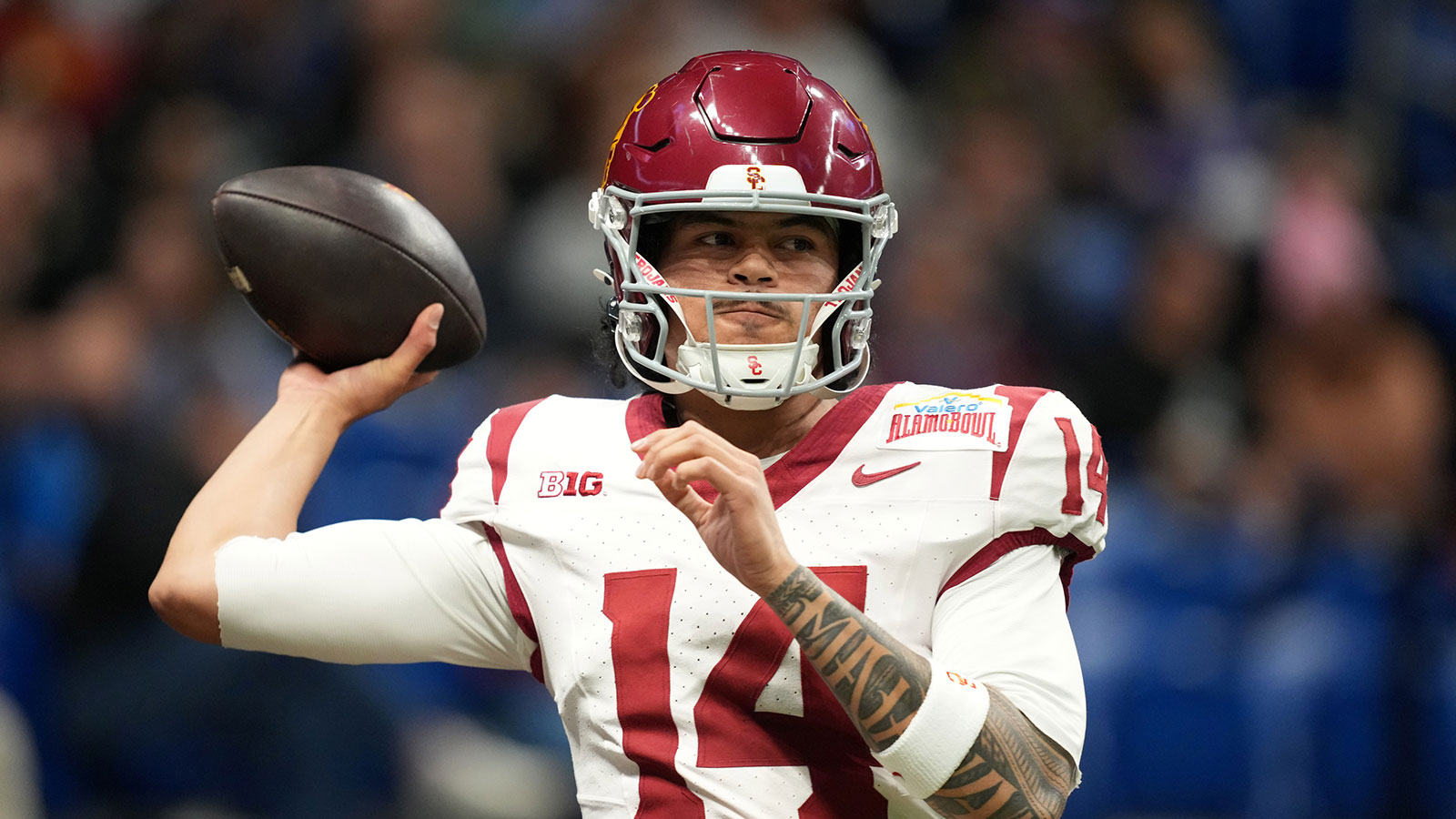
Selecting Jayden Maiava in Round 3 would spark plenty of debate among Vikings fans, but that doesn’t make it a poor choice. Maiava possesses NFL size, good mobility, and a strong arm capable of making vertical throws. His best performances come when he can layer the ball downfield and allow receivers to work into space, and playing at USC gives him exposure to a quarterback-friendly system. Still, it also means his flaws are often highlighted.
The primary concern is his consistency, as his timing and decision-making can fluctuate, but for Minnesota, this pick wouldn’t have to be a desperate move. It can serve as a developmental option behind whoever ends up starting between McCarthy and Murray.
The uncertainty at quarterback can undermine seasons, and the Vikings cannot assume this situation will resolve itself permanently.
Round 3, Pick 87: Antwan Raymond, RB, Rutgers
Antwan Raymond seems like an ideal fit for O’Connell’s offensive scheme due to his production, physicality, and versatility in a modern offense. He stepped in as the lead back at Rutgers and showcased his ability to handle a heavy workload, and he also runs with balance, powers through contact, and has enough burst to generate significant gains rather than just grinding out short yardage.
At approximately 5-foot-11 and 205 pounds, he possesses the frame necessary to be more than just a change-of-pace option.
While the Vikings have heavily relied on a structured offense, they also need a run game that punishes defenses for using lighter boxes. Raymond would aid in that effort, providing a running back who can keep the offense on schedule and ease the pressure on the quarterback.
Round 4, Pick 112: Bray Hubbard, S, Alabama
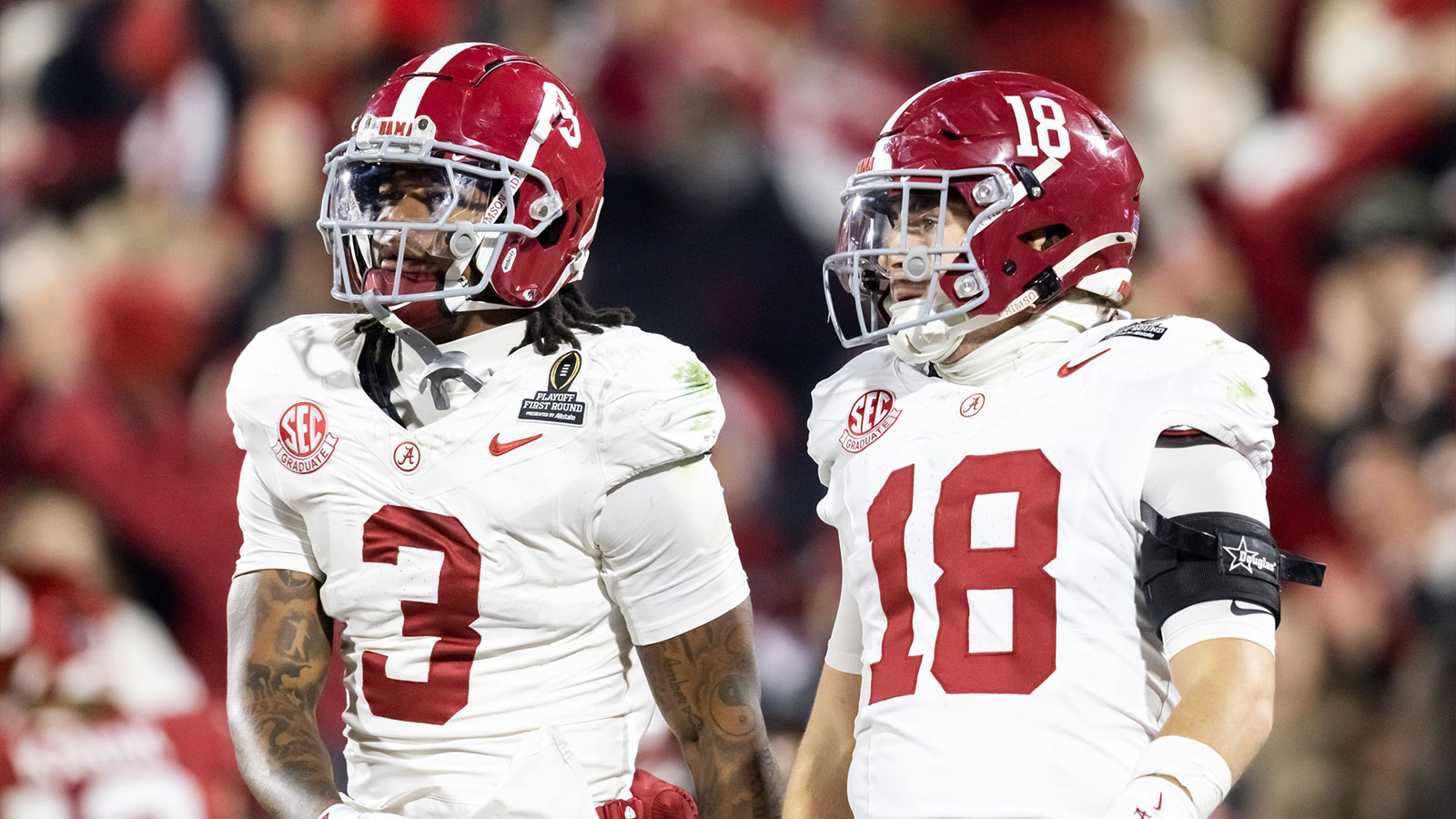
Bray Hubbard is an intriguing selection in this simulation because his background aligns with what modern defenses desire. A former high school quarterback, Hubbard excels at reading the field from the back end. He has significant playing experience at Alabama, brings physicality when attacking downhill, and has the range needed to function effectively outside the box. This combination sets him up for early special teams work and potential defensive snaps down the line.
The Vikings need safeties who can communicate well, disguise plays, and tackle effectively. Hubbard plays with urgency in run support, an edge that matters in the NFC North.
Round 5, Pick 152: Samson Okunlola, G, Miami
Samson Okunlola represents a classic Day 3 upside pick. He arrived at Miami as one of the top offensive line recruits in the nation, and his physical traits are still evident, as he possesses size, length, and raw power, but the question remains whether his technical skills will develop enough to make him a reliable NFL blocker.
In Round 5, this gamble is worth taking, and the Vikings can afford to cultivate a former five-star talent without the pressure of having him start immediately.
Offensive line depth can become expensive quickly, and Okunlola has the potential to significantly exceed the value of this draft position.
Round 6, Pick 211: McKale Boley, T, Virginia
McKale Boley presents the experience profile that teams seek from a late-round tackle. He played early in his career at Virginia, starting at left tackle, and despite battling injuries, he developed into an All-ACC caliber lineman. While he is not a perfect prospect, his size, toughness, and significant starting experience make him a viable candidate for a developmental swing tackle role.
For Minnesota, this pick is primarily about adding depth because they already used their first-round pick on Green, but offensive line rooms require depth. Boley provides another player with real college experience and enough upside to compete for a backup tackle position.
Round 7, Pick 230: Ashton Stamps, CB, Arizona State
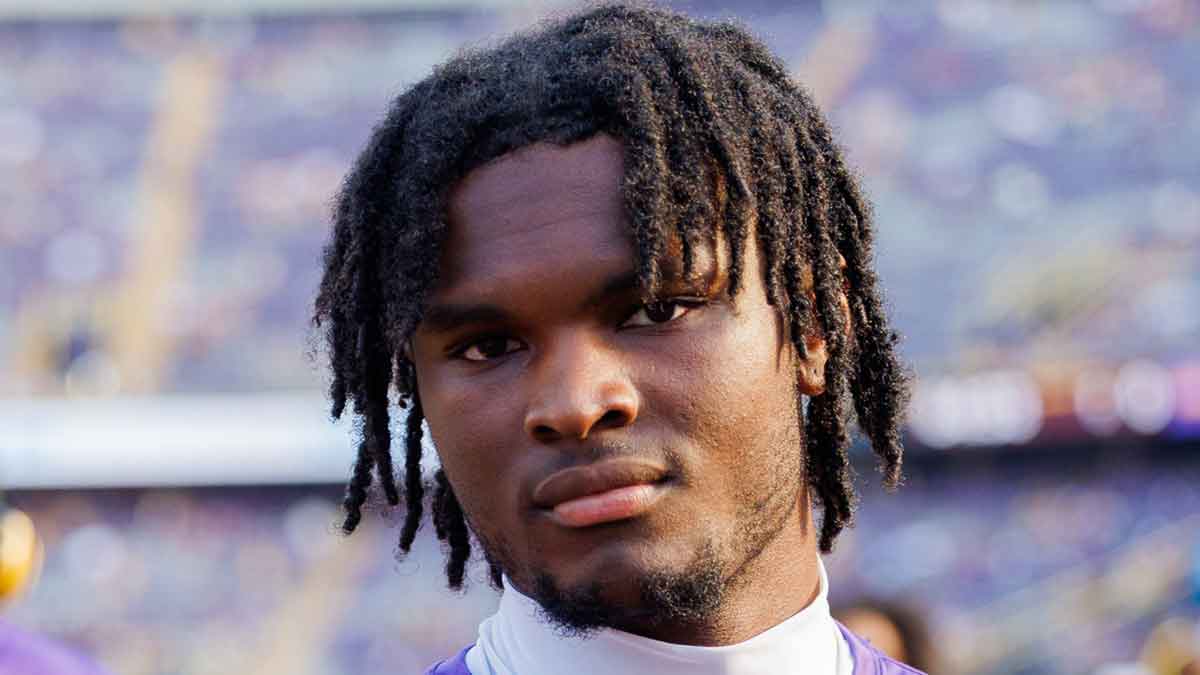
Ashton Stamps is a wise choice for a seventh-round cornerback, having already played substantial snaps in a major conference. At LSU, he demonstrated his ability to start, tackle, and make plays on the ball. His transfer to Arizona State offers him an opportunity to reset his stock after experiencing a shift in his role, and this kind of background can lead to valuable late-round selections.
Round 7, Pick 239: J’Mond Tapp, ED, Memphis
J’Mond Tapp is the late-round edge prospect that this class needed. Although he has had a varied college career, his physical talent remains compelling, and with a solid frame, good acceleration, and enough pass-rushing skills, he justifies a seventh-round selection. He is more of a projection than a finished product, which explains his later draft position.
For the Vikings, Tapp represents a low-cost solution to an existing need because the NFC North is filled with teams looking for edge depth, and Minnesota should be no exception. Tapp will enter training camp competing for special teams work and a developmental pass-rushing role.
This draft class may not address every concern for the Vikings, but it would strengthen the roster in areas that often determine close games, and this is a sensible strategy for a team at a crossroads.
Minnesota possesses enough skilled talent to be competitive, but the foundation still needs improvement, and a draft like this would not aim for sensational headlines but instead work to provide O’Connell with a tougher, deeper, and more versatile roster before facing another season marked by quarterback uncertainty.
The post Vikings’ way-too-early 2027 NFL Draft according to PFF mock draft simulator appeared first on ClutchPoints.