The Seattle Seahawks are coming off a dominant Super Bowl win over the Patriots, but Sam Darnold admitted he was “kinda bummed” about his own performance. This reflects the unusual mood around Seattle: the Seahawks are champions but still sound like a team with something to prove. If they believe they are one of the NFL’s most overlooked title teams, the 2027 PFF mock draft simulator class allows them to reload rather than relax.
Round 1, Pick 29: Kade Pieper, G, Iowa
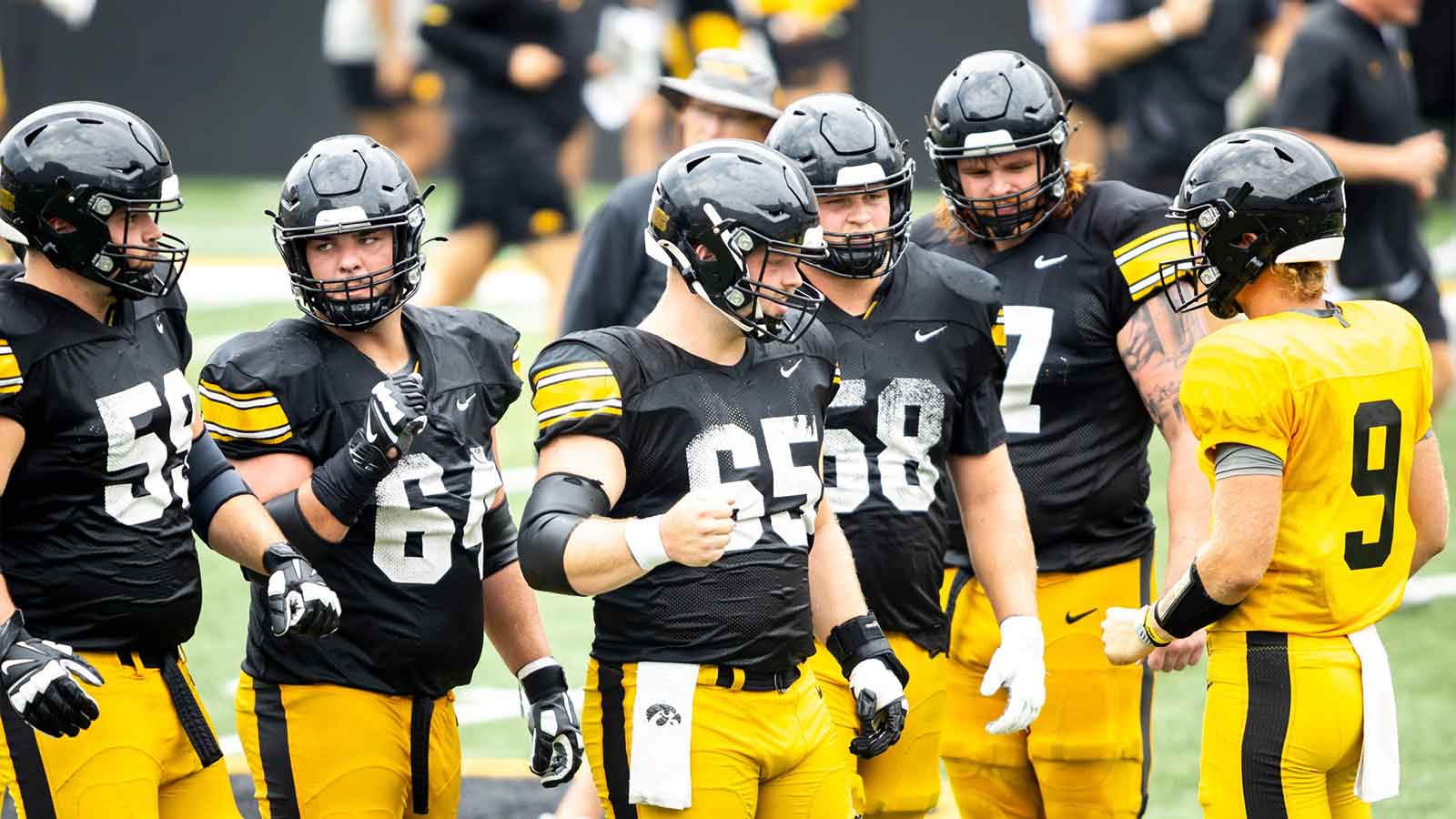
This pick embodies the Seahawks’ traditional style. Kade Pieper may not be flashy, but offensive linemen from Iowa rarely need to be. He has experience as a guard and potential to play center, making him a solid choice for Seattle late in Round 1.
Pieper started at right guard for a dominant Iowa offensive line, earning national recognition and showcasing the toughness that fits a team aiming to stay physical while chasing another Super Bowl victory. The Seahawks need reliable protection, improved interior stability, and a blocker who can enhance their run game. Pieper fulfills all these requirements.
Round 2, Pick 61: Princewill Umanmielen, ED, LSU
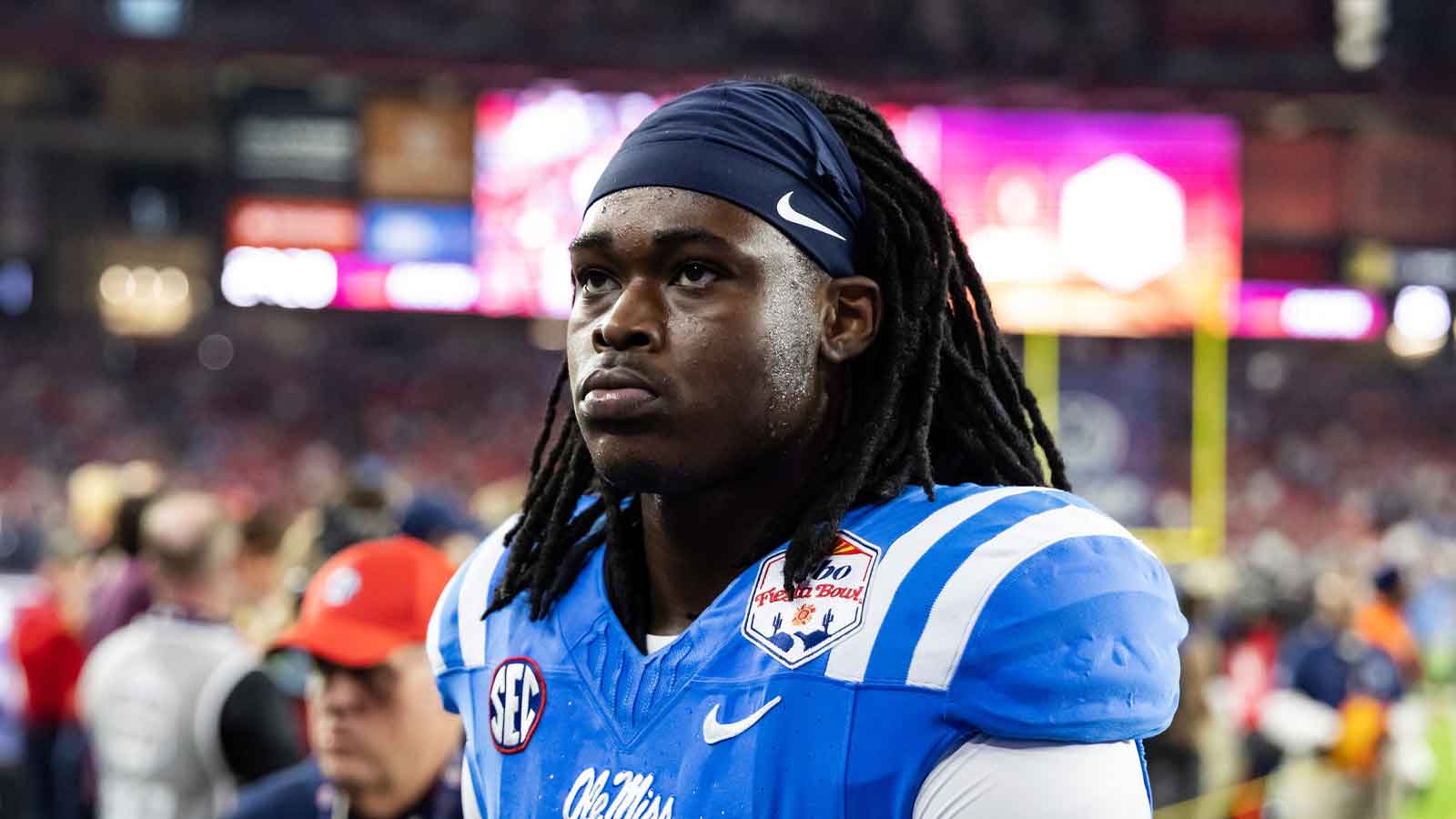
Princewill Umanmielen adds a long, explosive edge defender to Seattle, bringing SEC experience and developmental potential. His frame, first-step ability, and movement skills position him to become a dangerous rotational pass rusher early on.
The Seahawks already boast defensive talent, but title teams continually seek to add depth at edge rusher. Umanmielen can chase from the backside, reduce inside on specific packages, and evolve into a more complete rusher with NFL coaching. The risk lies in his need for refinement, as he requires a more consistent rush plan and better hand usage. However, in Round 2, his raw tools make him worth the gamble.
Round 3, Pick 93: Demond Williams Jr., QB, Washington
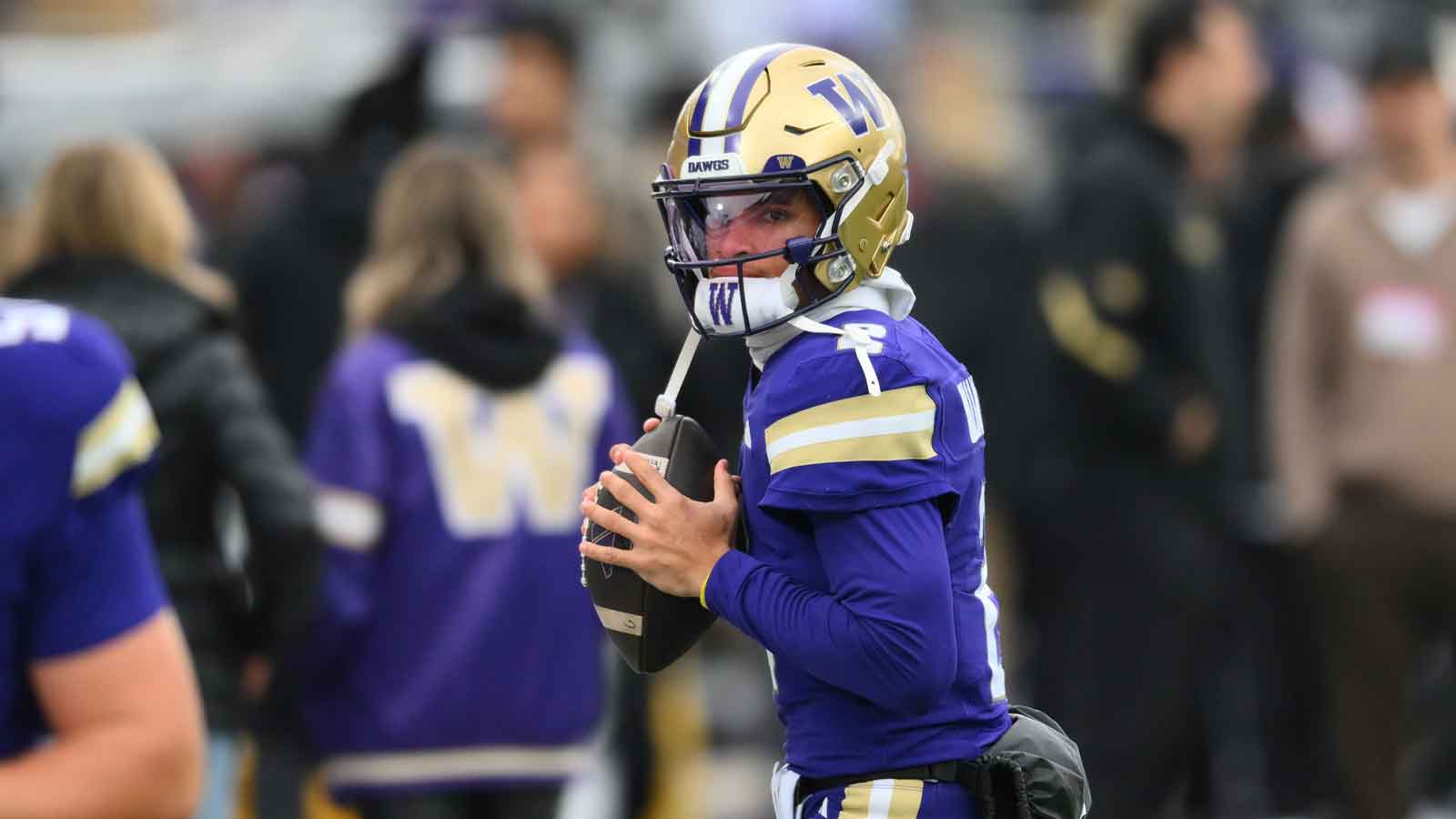
Demond Williams Jr. would be the most intriguing selection in this draft class, as he offers Seattle a local quarterback option without necessitating an immediate succession plan. While undersized by traditional NFL standards, he possesses legitimate dual-threat abilities.
He can extend plays, threaten defenses with his legs, and operate accurately when the structure of the play is intact, and this makes him an appealing developmental quarterback to back up Darnold. This pick is not intended to stir drama at all, as it reflects a smart long-term strategy. Although Darnold just won a Super Bowl, Seattle still requires a long-term quarterback plan, and Williams offers a high-upside project with a different skill set.
Round 4, Pick 127: Peter Clarke, TE, Temple
Peter Clarke represents a mid-round tight end who could exceed expectations based on his draft position. At 6-foot-6 and 265 pounds, Clarke possesses NFL size and a distinctive football background, having come through the NFL Academy pipeline. He has demonstrated receiving skills at Temple, particularly as a large target capable of working the middle of the field and creating mismatches in the red zone.
Seattle can develop him behind veteran players while utilizing his size in specific packages early on. Although his blocking needs improvement, his frame and catch radius make him a valuable addition in the fourth round.
Round 4, Pick 133: Adam Mohammed, HB, California
Adam Mohammed brings a bigger back with a physical running style to the Seahawks. He is not intended to replace anyone immediately, but he adds valuable depth, short-yardage capability, and competition to a backfield that should always be refreshed.
With a compact frame and powerful running style, Mohammed can break through arm tackles and embody the downhill running mentality that Seattle appreciates, as he can serve as a tone-setting runner during the preseason, after which the roster competition can determine his future.
Round 5, Pick 167: Rasheem Biles, LB, Texas
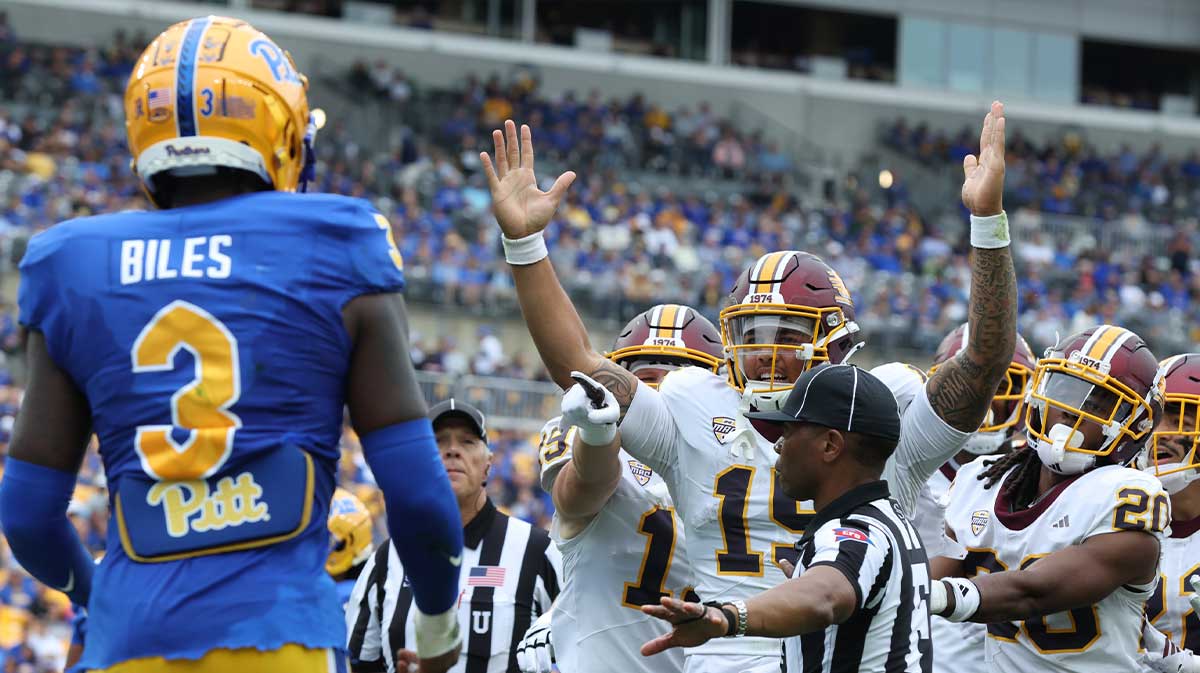
Rasheem Biles stands out as one of the better value picks in this simulation. He was highly productive before transferring to Texas, displaying genuine playmaking ability as a blitzer, run defender, and coverage linebacker. His impressive tackle-for-loss productivity is notable, but what stands out more is his activity level.
Biles plays fast, tracks the ball well, and creates splash plays rather than merely cleaning up. For Seattle, he would be an immediate asset on special teams while competing for defensive snaps, and a fifth-round linebacker with his range and instincts is precisely the type of player who can stick.
Round 5, Pick 172: Jordan Marshall, HB, Michigan
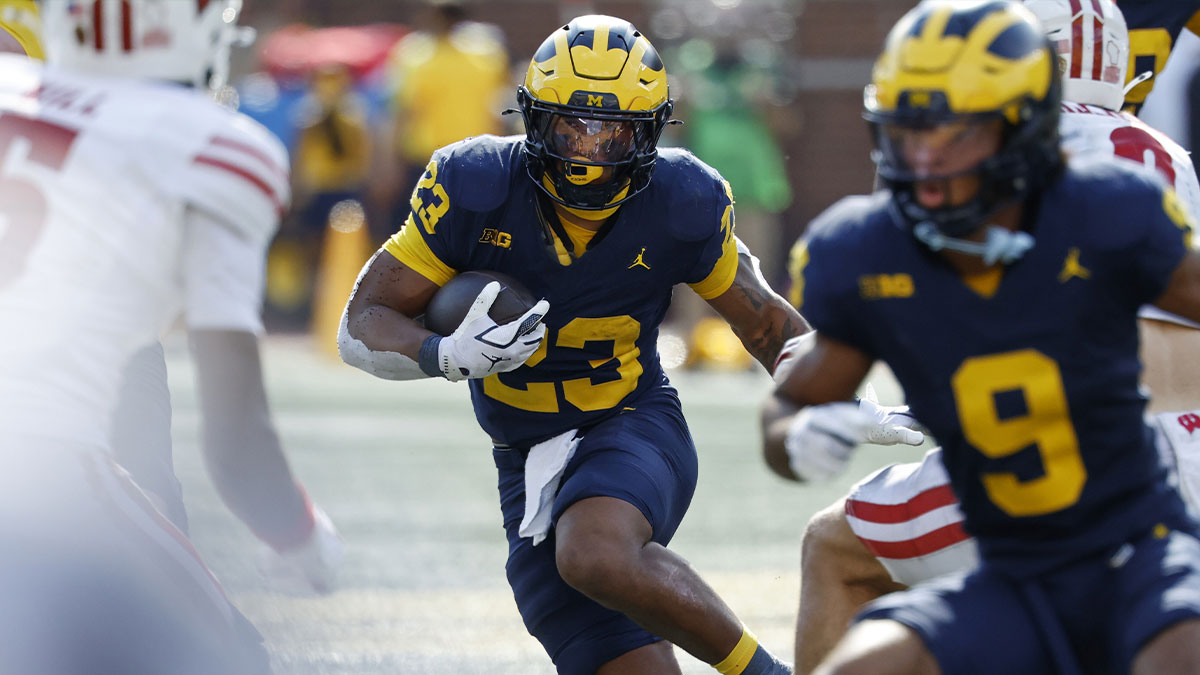
While it may seem odd to double up at running back, Jordan Marshall offers a different profile than Mohammed. Marshall is more explosive, with the burst to turn small creases into significant gains. His Michigan background is relevant, as he comes from a physical program that emphasizes running through contact and protecting the football.
This pick allows Seattle to foster genuine competition in training camp. Mohammed provides power, while Marshall brings speed and explosiveness. A defending champion can afford to let the best player win the job.
Round 5, Pick 173: Jaylen McClain, S, Ohio State
Jaylen McClain has the traits of a Seattle Seahawks defensive back. He possesses good size, has experience in the Big Ten, and plays a physical style that should quickly translate to special teams. McClain is more than just a deep safety, as he can tackle, support the run, and has enough range to become a useful rotational player.
While Seattle’s secondary already boasts talent, having depth at safety is essential over a long season. Selecting McClain in Round 5 is a smart move for building the roster, especially given his immediate value on special teams.
Round 5, Pick 175: Isaiah Horton, WR, Texas A&M
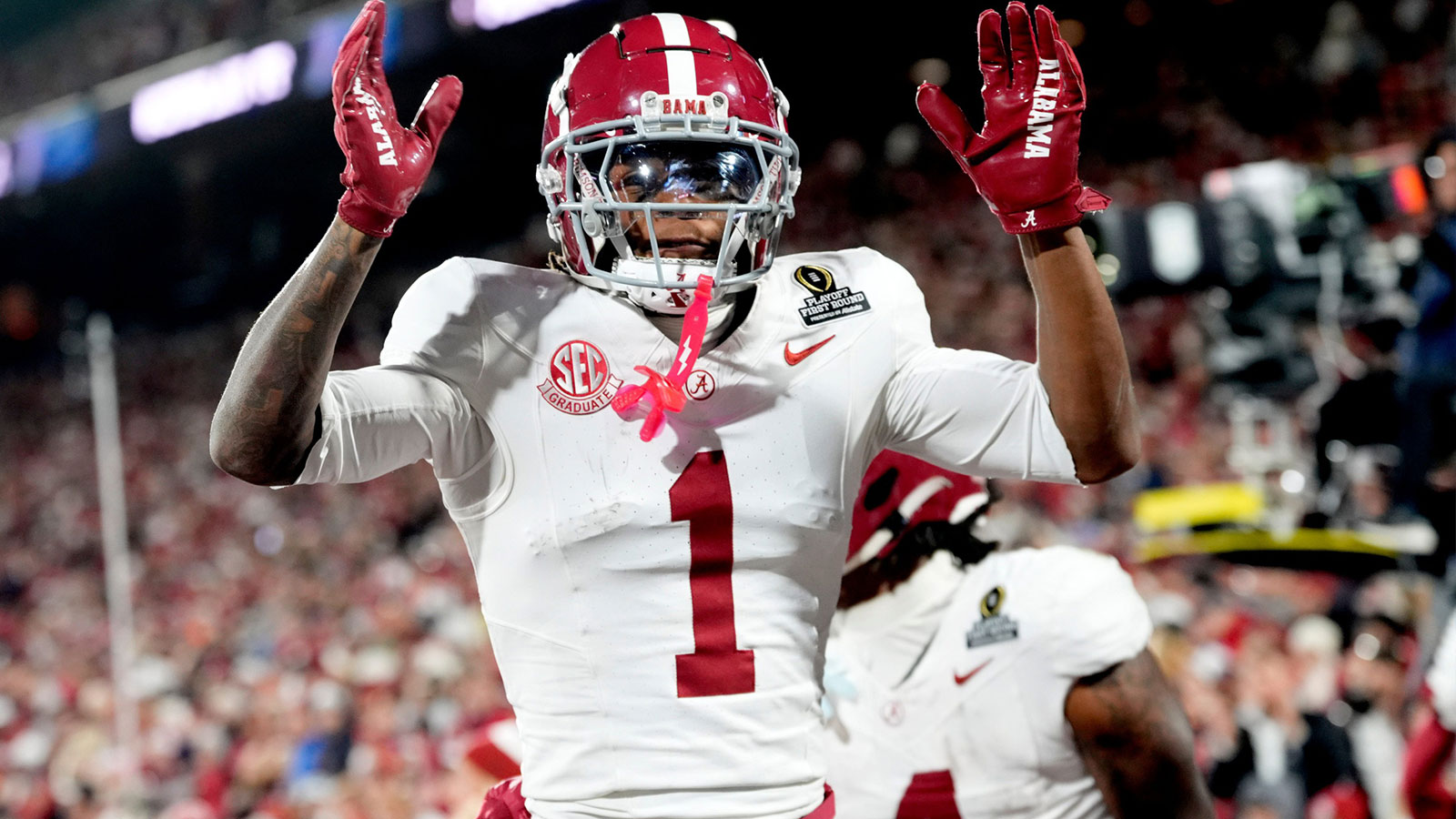
Isaiah Horton provides Seattle with a big-bodied receiver to develop behind their established targets. Standing at 6-foot-4, he has the size to play on the boundary. Horton is not the typical small slot receiver; he serves as a vertical, contested-catch target who can leverage his size and length. This makes him an intriguing choice at this stage of the draft, particularly for a team that doesn’t need to rush him into the lineup.
His main challenge will be achieving separation, but his appeal is clear: he brings size, a significant catch radius, and red-zone potential.
Round 6, Pick 207: Ja’Bril Rawls, CB, Florida State
Ja’Bril Rawls is a classic late-round cornerback prospect. With good size, starting experience, and enough athletic ability to compete on the outside, he has shown physicality and ball skills when healthy. Even with injuries being a factor in his evaluation, Seattle should be interested in lengthy corners who can tackle and contribute on special teams.
His path to making the roster would be to cover kicks, compete in the preseason, and prove he can handle the speed of the NFL. In Round 6, that’s enough.
Round 7, Pick 245: Chris Johnson Jr., HB, Clemson
Chris Johnson Jr. wraps up the draft class as a speedy running back. After beginning his collegiate career at Miami and SMU, he transferred to Clemson with a reputation as one of the fastest backs in college football. This speed alone makes him a viable late-round pick. Johnson is capable of catching passes, returning kicks, and threatening angles that slower backs can’t.
While it’s unlikely that Seattle would keep three rookie running backs, this approach exemplifies how late-round competition should function: adding speed, creating intensity, and letting training camp determine the rest.
For a team that still feels somewhat overlooked after winning the Super Bowl, this draft embodies the quintessential Seahawks approach: physical, pragmatic, and aggressive enough to remind everyone that a championship window does not remain open without effort.
The post Seahawks’ way-too-early 2027 NFL Draft according to PFF mock draft simulator appeared first on ClutchPoints.