Group C features an intriguing mix of teams: one clear favorite, one recent World Cup sensation, one returning European nation eager to prove itself, and one underdog with a deeply emotional narrative. Brazil stands out as the favorite, while Morocco is positioned as the most formidable challenger. However, Scotland has the potential to make the group unpredictable. This group includes Brazil, Morocco, Scotland, and Haiti, with the top two teams guaranteed a spot in the Round of 32.
Additionally, the best third-placed teams can also progress, thanks to the expanded 48-team format, giving Scotland a realistic chance even if they appear weaker on paper. The opening match against Haiti could significantly impact the group’s dynamics.
For Brazil, anything less than a first-place finish would feel like failure. Under Carlo Ancelotti’s management, the squad enters the tournament laden with historical expectations and facing a familiar question: Can the most successful nation in World Cup history finally reclaim the trophy after over two decades?

Neymar’s inclusion adds another layer of intrigue. At 34, Brazil’s all-time leading scorer may no longer be the game-changing force he once was, and his fitness remains a critical narrative. However, even if his role is carefully managed, his presence is still key both emotionally and tactically.
Surrounding him, Brazil boasts an attack potent enough to instill fear in any opponent. Vinicius Junior offers an elite one-on-one threat, Raphinha is versatile across the front line, and Endrick provides fearless finishing that can alter the course of a match.
The real challenge lies in achieving balance. Ancelotti has a history of making star-studded teams functional, but international football does not afford the same daily training rhythm as club football.
Brazil has immense potential, yet there’s a risk that their attacking prowess overshadows their fluidity. This makes the opening match against Morocco particularly fascinating, as it’s likely to determine first place in the group.
Morocco no longer enters the tournament as charming outsiders. Following their semi-final appearance in 2022, the Atlas Lions have gained newfound respect. They are organized, intense, and difficult to break down, confidently facing opponents who expect to dominate possession. This strategic profile could frustrate Brazil.
Could Morocco be a surprise at first position?
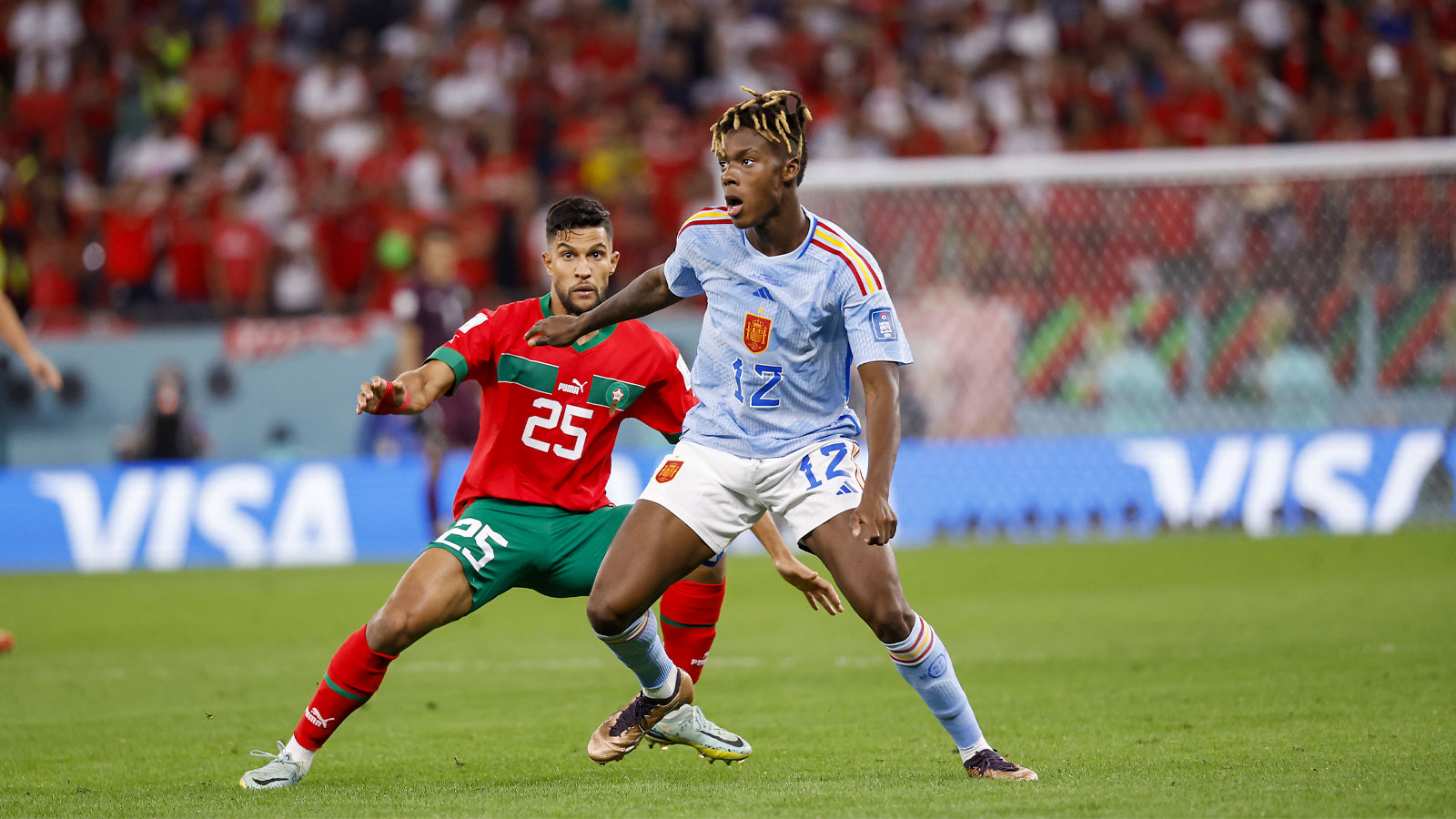
Achraf Hakimi ranks among the world’s best attacking full-backs, while Sofyan Amrabat brings tenacity and discipline to the midfield. Although Hakim Ziyech’s international future has had its ups and downs, Morocco’s identity no longer relies on a single creative player.
They understand their strengths: they can defend deep, launch quick counters, and exploit teams that become impatient. Historically, this matchup is particularly intriguing; Brazil defeated Morocco in the 1998 World Cup, yet Morocco managed to beat Brazil in a friendly in 2023, showcasing the growth of African football’s most ambitious tournament side.
If Morocco can secure a point from the opening match, the group will become wide open.
A huge return for the Tartan Army
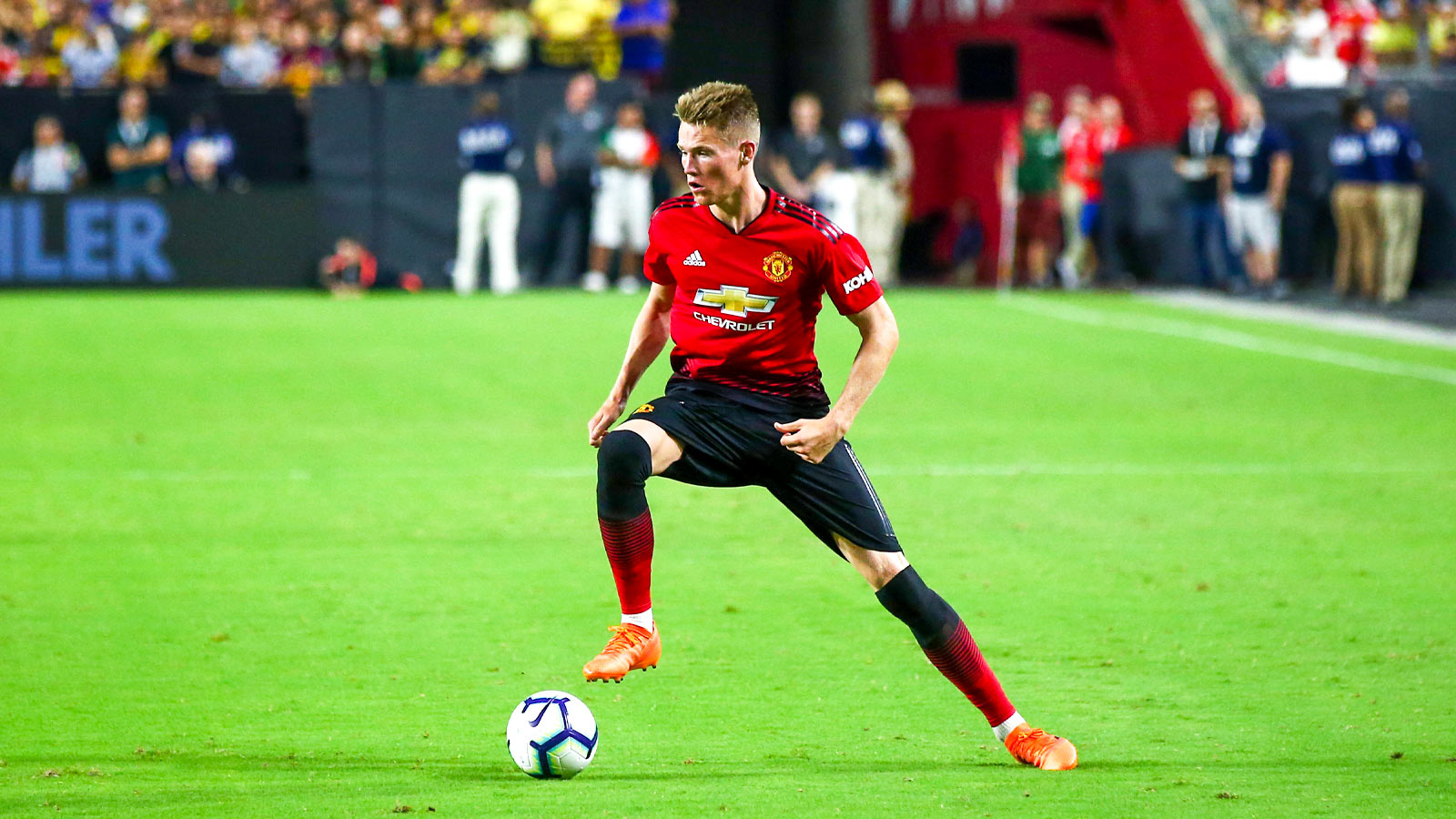
Steve Clarke’s team returns to the World Cup for the first time since 1998, and the draw presents a historical echo. They were in the same group as Brazil and Morocco back then, losing to both and exiting early.
This time, the ambitions must be different. Scotland has never reached the knockout stage of a men’s World Cup, but the expanded format offers perhaps its best chance yet.
The squad’s strength lies not in glamour but in structure, work rate, and a robust midfield. Andy Robertson provides leadership and crosses from the left, while Scott McTominay poses a goal threat from midfield, especially when making late runs into the box.
John McGinn contributes energy and personality, and Lewis Ferguson offers Clarke another intelligent option in central areas. Scotland’s task is simple: they must defeat Haiti, and that first match is crucial.
A victory would allow them to approach the match against Morocco with confidence and view the game against Brazil as a final test rather than merely a survival strategy, and a draw would create pressure, while a defeat would be catastrophic.
Against Morocco, Scotland will need to exercise patience. They cannot allow the game to turn into a loose transition battle, as that would benefit the Atlas Lions. Instead, their best approach is to focus on set pieces, capitalize on second balls, and create prolonged moments of discomfort for their opponents, and while it may not be aesthetically pleasing, tournament football often prioritizes pragmatism over beauty.
Haiti enters the tournament as a clear underdog, but its story should not be reduced to sentimentality.
This marks their first World Cup appearance since 1974, achieved despite facing extraordinary challenges within the national program and the country itself, and this achievement alone makes them one of the tournament’s most intriguing teams.
Duckens Nazon brings valuable experience and a scoring pedigree to the squad, while Jean-Ricner Bellegarde offers top-level quality in midfield. The team also possesses enough athleticism to trouble opponents who underestimate them.
Haiti’s greatest challenge will be maintaining control, but can it withstand pressure for extended periods? Can they avoid conceding unnecessary chances?
So, the best opportunity to earn points is likely against Scotland, making their group opener crucial for both sides. They understand that one favorable result could keep them in contention for a third-place finish, and Scotland is aware of the same stakes.
For the expectations: Brazil will be at the top of the group, but not without facing some challenges.
Morocco, with its solid defensive structure and tournament confidence, will make the opener difficult, while Scotland possesses enough midfield experience to create genuine problems in a match.
The key prediction is that Scotland will disrupt the anticipated flow of the Brazil-Morocco game, but not enough to finish above both of them. Their prospects will likely hinge on defeating Haiti and gaining points against Morocco, and four points could be sufficient to advance to the knockout stage, particularly in the expanded format.
Ultimately, the likely finishing order will be Brazil in first place, Morocco in second, and Scotland in third, aiming for a playoff position among the eight best third-place teams. Haiti, meanwhile, is expected to end up with zero points.
While Group C may follow the anticipated ranking at the top, if any team is set to shake things up, it is the one that has waited 28 years to return to the World Cup.
The post 2026 World Cup Group C predictions: Can Scotland break up the Brazil & Morocco party? appeared first on ClutchPoints.