The Canada national team’s World Cup aspirations won’t rely solely on Alphonso Davies and Jonathan David. If Jesse Marsch’s team aims to leverage its home advantage for a successful knockout run, the MLS-based core must perform well from the first whistle.
With Marcelo Flores sidelined due to an ACL injury, the focus shifts even more toward players like Maxime Crepeau, Dayne St. Clair, Richie Laryea, Joel Waterman, and the rest of the domestic group expected to play significant roles.
While Canada has star power, tournament football is rarely simple. Group B appears manageable on paper, but that is precisely where the danger lies.
Canada, Switzerland, Qatar, and Bosnia and Herzegovina form one of the more approachable sections of the 2026 World Cup, yet none of the four teams can regard the group as easy.
Canada enjoys home advantage, Switzerland boasts the highest baseline performance, Qatar comes with recent Asian credentials, and Bosnia brings the emotional boost of returning to the tournament for the first time since 2014.
So, will Canada sail through? Probably not. However, the co-hosts should still believe they can successfully navigate this group.
Playing at home can help Canada?
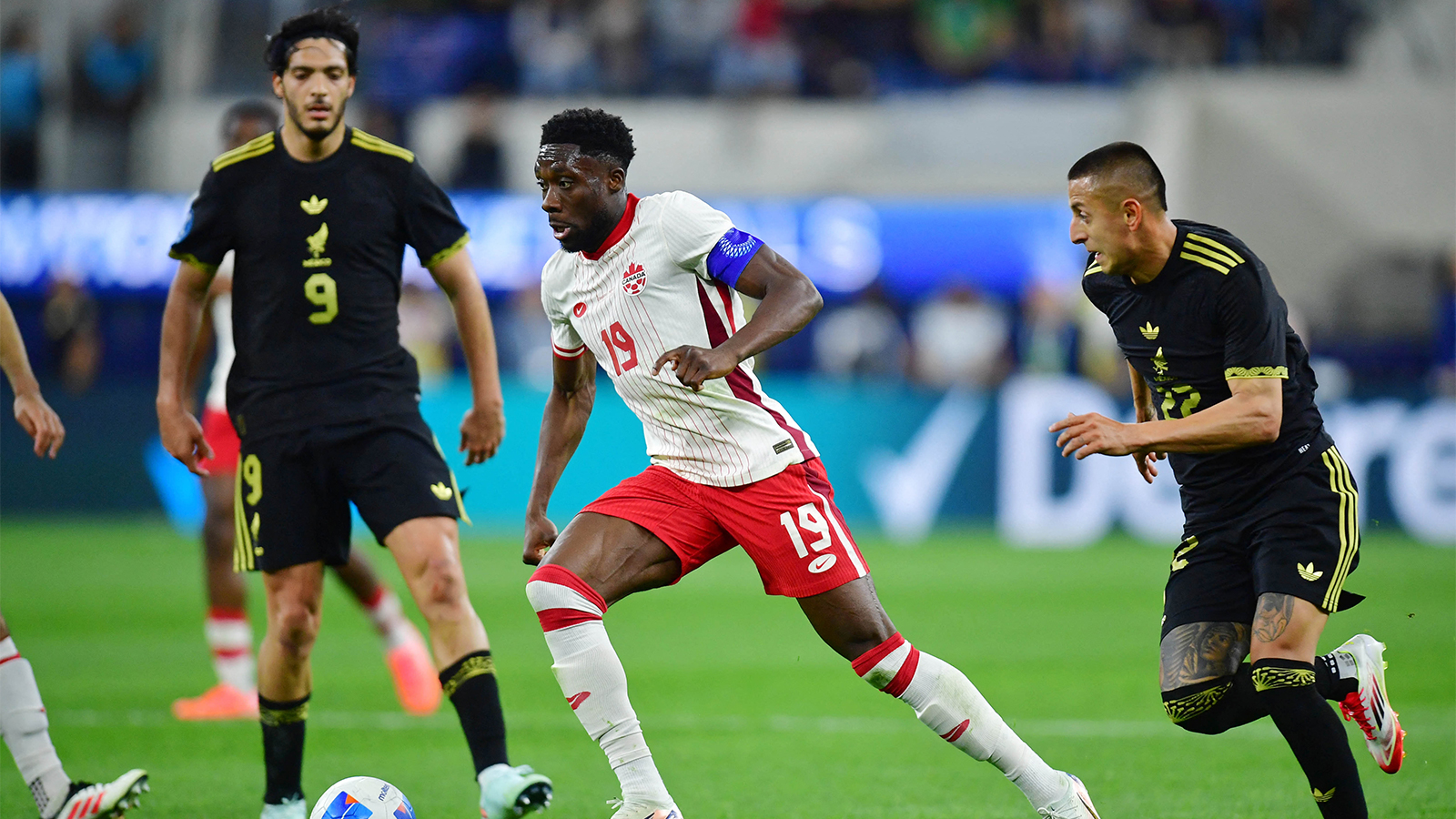
Canada opens against Bosnia and Herzegovina in Toronto, then faces Qatar in Vancouver, wrapping up with Switzerland, and this schedule is advantageous. The home opener is also the most critical match: if Canada wins, the entire group dynamic shifts, and a draw could lead to mounting pressure, while a loss would make the upcoming game against Qatar uncomfortable very quickly.
Marsch’s team enters the tournament with mixed momentum. Canada defeated Uzbekistan 2-0 in Edmonton, but their final warm-up match ended in a 1-1 draw with the Republic of Ireland in Montreal. While the performance had promising moments, especially in the first half, it also highlighted reasons for fan anxiety.
Canada initially took the lead through an own goal from a corner by Stephen Eustaquio, but allowed Ireland back into the match after Cyle Larin conceded a penalty. This sequence illustrates a lot about Canada’s capabilities in the end. They can generate energy, press effectively, and create scoring opportunities from set pieces, but they can also lose control during critical moments, and at a World Cup, those lapses can be costly.
Davies’ fitness is another key storyline. Being fully fit, Canada has a genuine game-breaker on the left side, but if he is limited, the team will rely more on structure and collective performance. David remains the most consistent scoring threat, while Eustaquio provides quality passing and dead-ball service in midfield.
Tajon Buchanan’s direct play is also crucial, as Canada needs width and speed to challenge teams that sit back defensively. Ultimately, defensive stability may be the most crucial factor.
Canada did not score a goal or earn a point at the 2022 World Cup, and that experience is significant. Playing at home should help emotionally, but it also raises expectations. The squad must manage the occasion without being overwhelmed by it.
Switzerland could be a surprise in the group stage
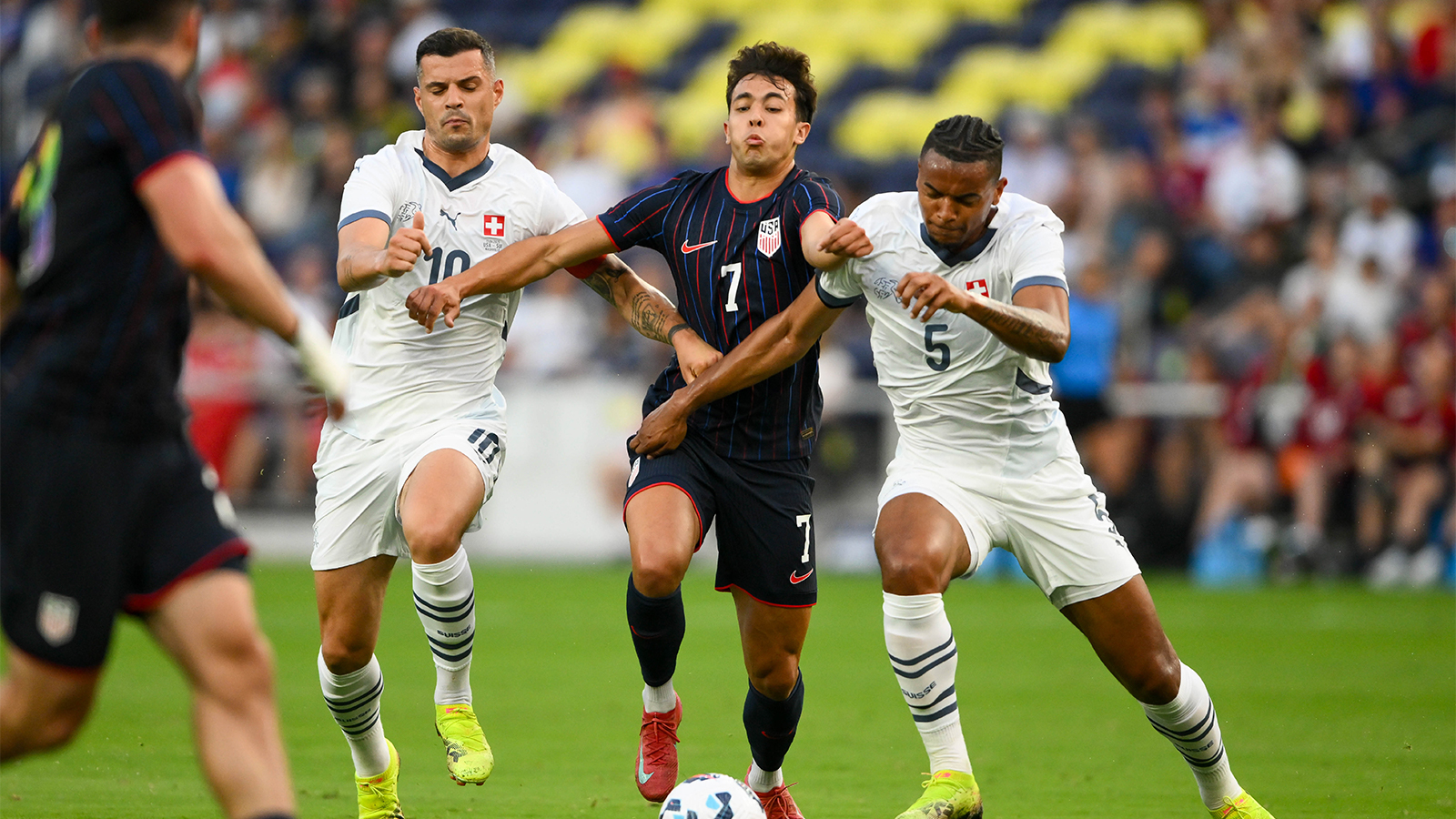
Switzerland is the safest bet to contend for the top spot in the group. Coach Murat Yakin’s side is experienced, organized, and adept at navigating major tournaments. Granit Xhaka remains the heart of the midfield, Manuel Akanji adds composure to the defense, and Dan Ndoye’s goal in the 1-1 friendly draw with Australia demonstrates that the Swiss have attacking options beyond their most well-known players.
However, the situation surrounding Breel Embolo complicates their preparation.
His travel authorization review has created uncertainty ahead of the opener against Qatar, and while Switzerland can manage without one forward, losing rhythm before the tournament is never ideal. Their final warm-up match against Australia was useful but not dominant, as they controlled large portions of the game but allowed an equalizer, suggesting they may be reliable rather than spectacular.
Group B presents a challenging but navigable path for Canada. Switzerland is known for its strong defensive play and disciplined style, but its ability to control the midfield and slow down the game could be a decisive factor in its matches, particularly against Canada.
Qatar, however, is a more difficult team to evaluate. Under coach Julen Lopetegui, the squad is built around the core that won back-to-back Asian Cups, with key players like superstar Akram Afif and Almoez Ali driving the attack. Although Qatar had a disappointing 2022 World Cup, losing all three matches as the host nation, this team is more mature and has already demonstrated its ability to succeed in continental competitions.
A concern for Qatar is the lack of preparation, because canceled friendlies against Serbia and Argentina limited their opportunities to test themselves against top-tier opposition. This is important for a World Cup team, especially considering the diverse range of opponents they will face in the group.
Still, Canada should not underestimate Qatar, as Afif has the talent to create scoring opportunities from minimal chances, and the team’s familiarity with each other can be advantageous in tight competitions.
The match between Qatar and Canada will likely be pivotal in determining each team’s chances for reaching the Round of 32. If Canada wins its opener, Qatar will probably need at least a draw in its match in Vancouver to remain in a comfortable position. Conversely, if Canada struggles against Bosnia, their second match could become a tense battle.
Bosnia and Herzegovina may be the lowest-ranked team in the group, but their story is more complex. Edin Dzeko, at 40 years old, is still the emotional leader of the team and is likely playing in his final World Cup.
Bosnia is determined to make an impact rather than simply participating, and although their recent 1-1 draw against Panama wasn’t ideal, it showcased their resilience, which can frustrate opponents. With Esmir Bajraktarevic providing youthful energy in attack, the team’s playoff journey has instilled momentum and belief.
Their opening match against Canada will be tough, and if they neutralize the Toronto crowd early on, the pressure may shift to the Canadian team.
So, about the prediction: compared to the tournament’s more difficult groups, this one appears relatively weaker.
Switzerland’s tournament experience may be enough for them to secure first place. In contrast, Canada is expected to finish second, provided their MLS core performs well, Alphonso Davies is fit, and the opener doesn’t become an emotional hurdle.
Qatar has enough quality to strive for third place and possibly qualify under the expanded format, while Bosnia may fight hard but could fall short due to a lack of depth over three matches.
Thus, the most likely final standings are Switzerland in first, Canada in second, Qatar in third, and Bosnia and Herzegovina in fourth.
For Canada, they need to beat Bosnia, handle Qatar, and enter the match against Switzerland with qualification in sight. Achieve this, and their home World Cup dream becomes a reality. Fail to do so, and a seemingly friendly group could quickly transform into a national disappointment.
The post 2026 World Cup Group B predictions: Will Canada cruise over it’s weak group? appeared first on ClutchPoints.