With just days remaining until the 2026 FIFA World Cup kicks off in the USA, Canada, and Mexico, FIFA and IFAB have announced several rule changes for the tournament. These new measures include five-second countdowns for delayed throw-ins and goal kicks, stricter punishments for players covering their mouths during confrontations, expanded VAR powers, mandatory off-field treatment periods, and hydration breaks during each half.
These changes aim to reduce time-wasting, improve match flow, and make it easier to police player conduct. In a group like this, where tempo, discipline, and set-piece management could determine who advances, these rules may have significant implications.
Group F could be one of the most entertaining sections of the 2026 World Cup.
The Netherlands brings experience and technical quality, Japan enters with strong momentum and a legitimate chance to top the group, and Sweden has enough attacking power to pose a threat to any team. Tunisia arrives with defensive discipline and a strategic structure capable of frustrating stronger opponents.
The Clockwork Oranje is back
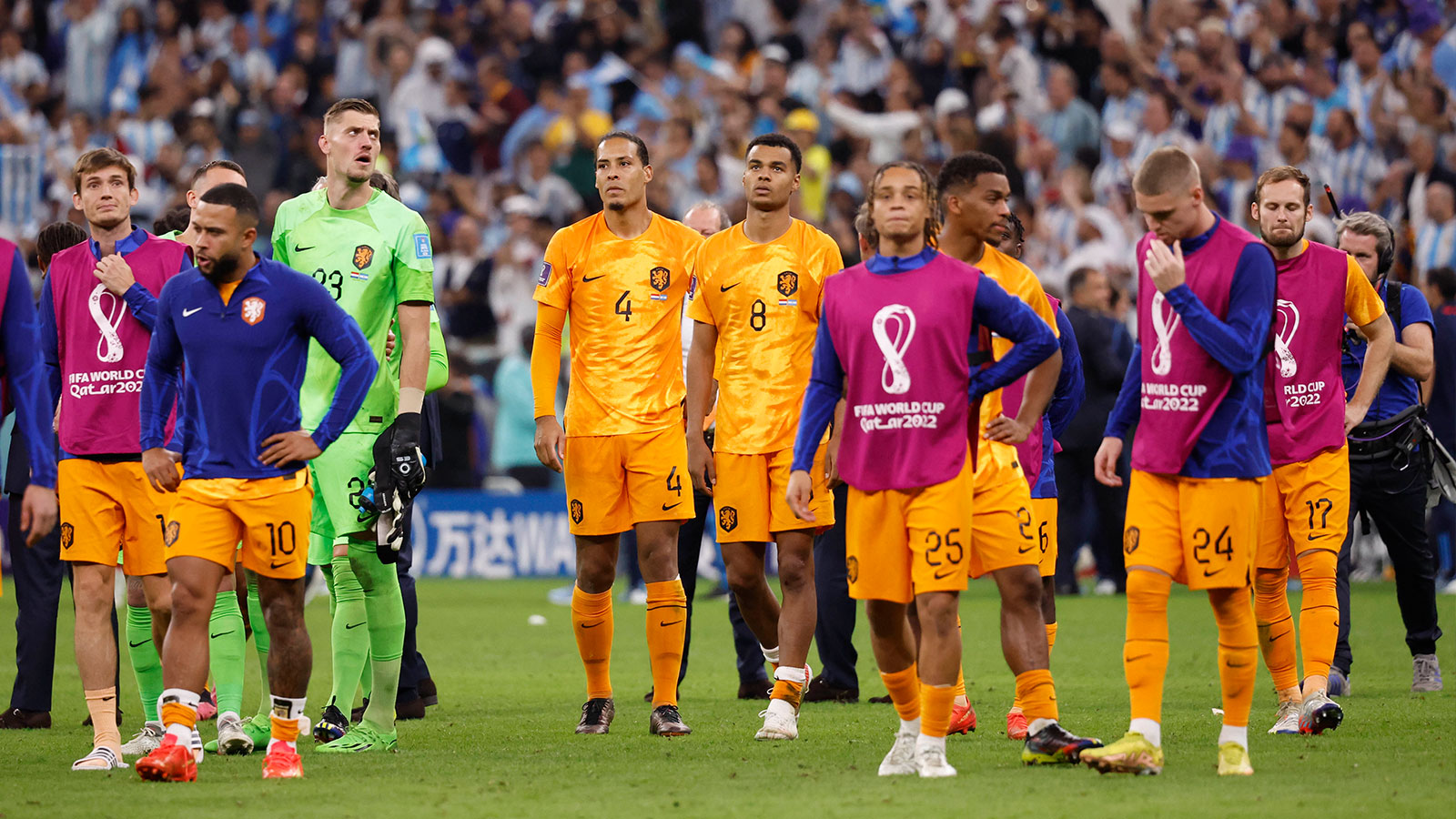
Many will still view the Netherlands as the default favorite. Ronald Koeman’s team qualified unbeaten, scoring freely and defending well, and Dutch football carries a certain weight at the World Cup. This nation has reached three finals without winning the trophy, so each strong generation faces the same question: Can this finally be the one?
Virgil van Dijk stands as the defensive leader, Frenkie de Jong provides midfield control when fit, and Cody Gakpo and Xavi Simons bring creativity and movement in the final third. The Dutch have the technical foundation to control games, but this group will test their ability to do so with urgency, because slow possession against Japan or Sweden could quickly become a liability.
The opening match against Japan may set the tone for the entire group. If the Netherlands wins, they can manage the remaining matches from a position of strength. Conversely, a draw or a loss would immediately increase pressure before facing Sweden.
This is why Japan should not be viewed as a secondary storyline. Hajime Moriyasu’s team has established one of the most convincing non-European, non-South American cases in global football. Japan was the first nation outside of the tournament’s hosts to qualify, and their recent form has only strengthened their case.
The Samurai Blue have gone unbeaten since September 2025, a streak that includes victories over Brazil, Scotland, and England. The win over Brazil is a significant symbol, while the victory against England has political implications.
Together, these results demonstrate that Japan is not simply defeating regional rivals or friendly-level teams lacking tournament relevance, and with the Netherlands and Sweden now in their group, Japan has enough recent evidence against Western and European opposition to believe that finishing first is within reach.
There is also World Cup history to consider.
In 2022, Japan defeated both Germany and Spain in the group stage before losing to Croatia in the Round of 16. This tournament changed the way they should be evaluated because they are no longer merely an underdog story, as they are organized, brave, technical, and increasingly comfortable competing against elite football nations.
Takefusa Kubo can unlock tightly contested matches, Wataru Endo provides midfield leadership, and Ritsu Doan has demonstrated his ability to perform on the biggest stage. Even with questions about player availability and squad balance, Japan’s collective identity is strong enough to withstand individual absences. They press intelligently, counter-attack quickly, and rarely appear intimidated.
Could Japan finish first in their group?
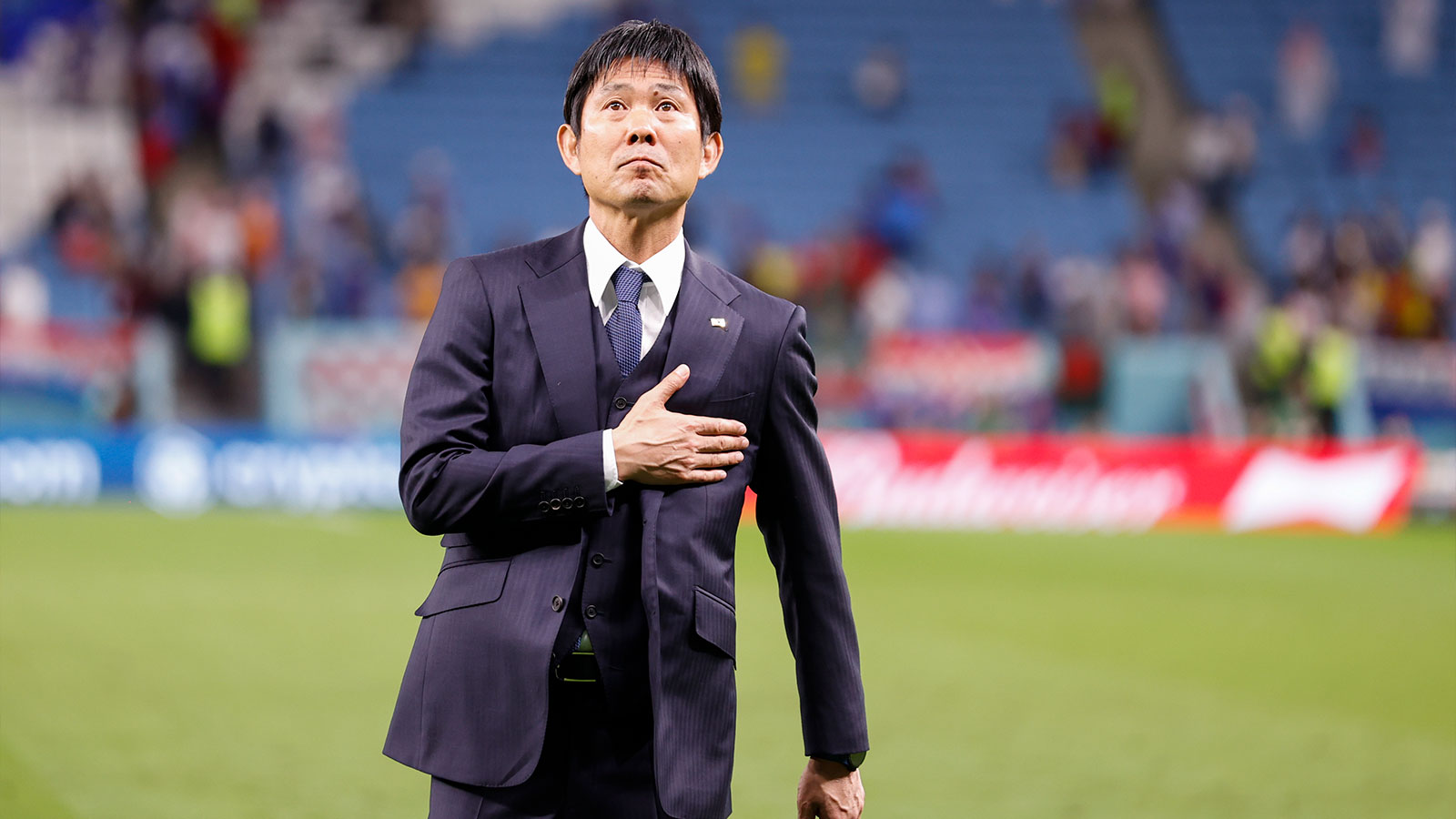
Yes, absolutely.
To achieve this, they will likely need at least a draw against the Netherlands and a win over Tunisia. This would set up a final match against Sweden that could decide the group, and Japan’s advantages lie in their stability compared to Sweden and their dynamism compared to Tunisia.
However, their disadvantage is that the Dutch team still has a higher ceiling if the game opens up. Sweden is the wildcard, boasting a potent attacking threat. Alexander Isak and Viktor Gyökeres provide Graham Potter with a forward pairing capable of converting half-chances into goals, making them dangerous. In a 48-team World Cup, a team with elite strikers doesn’t need to dominate every match to advance.
The concern for Sweden is finding a balance. They had to fight through the European playoff route after an uneven qualifying campaign, and that instability cannot vanish overnight. While Potter brings smart tactical guidance, the question remains whether the team can defend well enough to support their attacking talent.
Against the Netherlands, they will likely spend long periods without the ball. Against Japan, their transition defense will be tested, and when facing Tunisia, they may need to exhibit patience. The final match against Japan could turn out to be one of the most underrated games of the group stage.
If both teams enter needing points, it could showcase all the essential ingredients: speed, pressure, technical quality, and two distinct football identities.
Tunisia is the outsider, but not an easy opponent. Their qualifying campaign was based on defensive strength, giving them a pathway to make Group F uncomfortable. They may not possess the same attacking prowess as the other three teams, but they are compact, disciplined, and capable of frustrating stronger opponents.
Ellyes Skhiri provides midfield experience and defensive awareness, while Hannibal Mejbri adds edge and energy, but Tunisia’s challenge lies in creating scoring opportunities. In a group with three strong opponents, draws may not be enough unless they can achieve a significant result.
Their best chance will likely come from frustrating Sweden or Japan and turning one match into a set-piece contest, and the prediction here is somewhat bold: Japan could upset expectations and finish first.
The Netherlands carries historical weight and has a deeper talent pool, but Japan’s recent unbeaten run, victories over major football nations, and tactical maturity make it more than just a fashionable dark horse.
The Dutch are still expected to advance, but their opening match may force them into a second-place finish if Japan gets off to a strong start.
Sweden has enough attacking quality to finish above Japan or the Netherlands, but the group seems more likely to reward consistency rather than chaos. Tunisia should be competitive and challenging, yet their lack of attacking firepower may leave them trailing behind with zero points in the group.
Group F has the potential to be one of the most exciting sections of the tournament because the margins are so thin.
The post 2026 World Cup Group F predictions: Can Netherlands, Japan, and Sweden provide underrated thrillers? appeared first on ClutchPoints.