Norway is making its World Cup return for the first time since 1998, and the excitement is palpable. With Erling Haaland leading the charge as one of the tournament’s most formidable strikers, and supported by talented players like Martin Ødegaard, Alexander Sørloth, and Julian Ryerson, Norway’s story extends beyond just one star.
Iraq is entering Group I with its own emotional stakes as it returns to the World Cup for the first time since 1986. Notably, striker Aymen Hussein, whose goal secured Iraq’s qualification, faced nearly seven hours of questioning at Chicago’s O’Hare Airport before being allowed into the United States. This story adds to a group filled with pressure, history, and the potential for chaos.
Group I promises to be one of the toughest in the 2026 World Cup. France brings its pedigree, Senegal has a physical edge, Norway boasts superstar power, and Iraq offers a compelling underdog narrative.
On paper, France is expected to finish first, but based on form and matchups, Norway could challenge that prediction.
Could France win the third star in the World Cup?
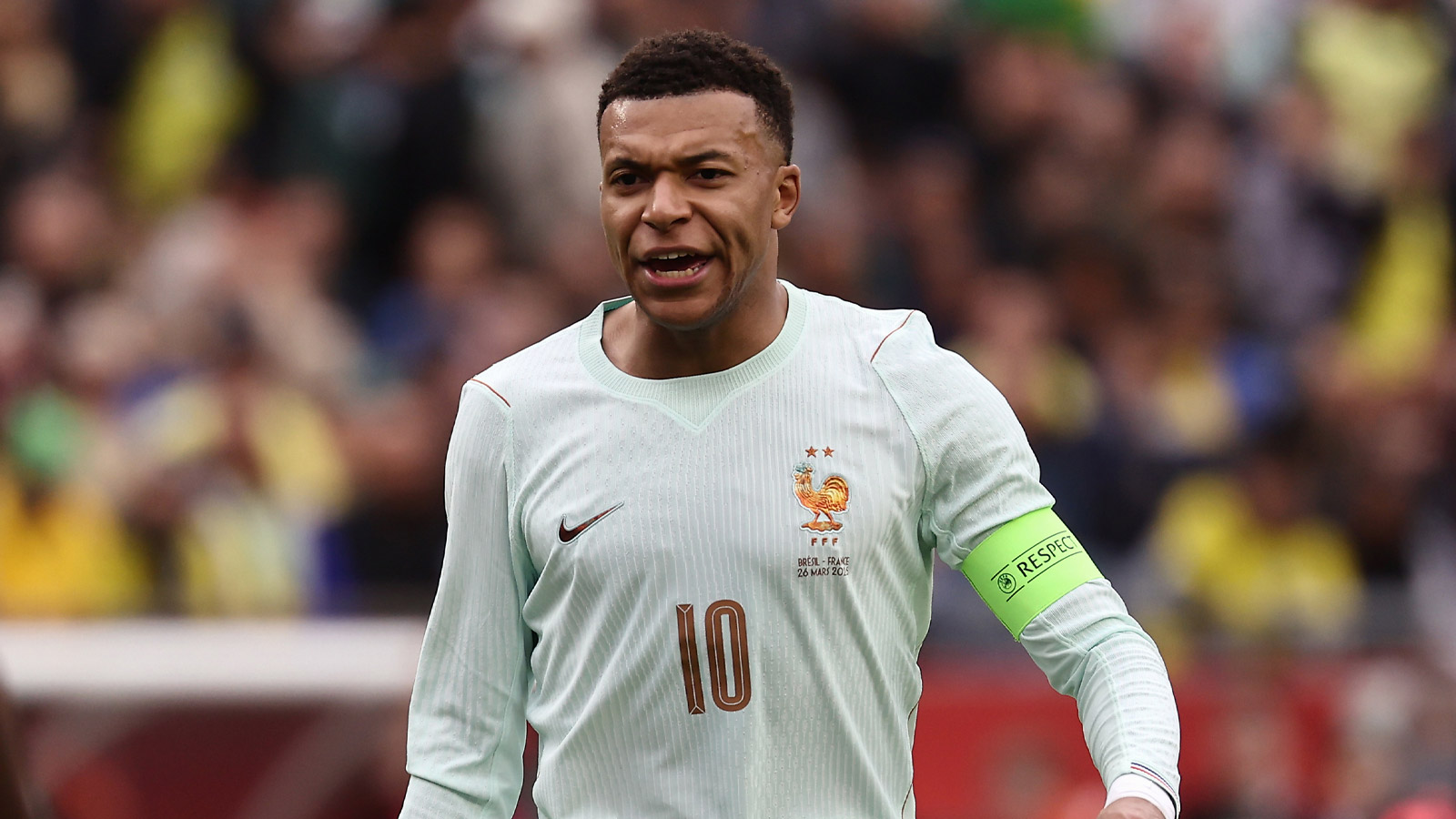
The group kicks off with France facing Senegal and Iraq taking on Norway on June 16. These matches could significantly influence the group dynamics.
France must avoid a slow start, as Senegal has previously inflicted a World Cup defeat on the defending champions, winning 1-0 in the opening match of the 2002 tournament. This historical context makes the matchup more than just a classic favorite versus underdog scenario.
Didier Deschamps’ team remains the strongest in the group with Kylian Mbappé as the centerpiece. France boasts elite depth at nearly every position, with players like William Saliba, Aurélien Tchouaméni, and Ousmane Dembélé contributing to a formidable bench.
Their challenge lies not in talent but in finding their rhythm. A recent 2-1 friendly defeat to the Ivory Coast has raised concerns before the tournament. While warm-up results can be misleading, they can also expose issues with concentration, and France appeared vulnerable, which is significant in a group where both Senegal and Norway can capitalize on any lapses.
If the favored team wins its opener, its path becomes clearer, but if Senegal secures a positive result, the competition within the group will intensify rapidly.
One player can change everything
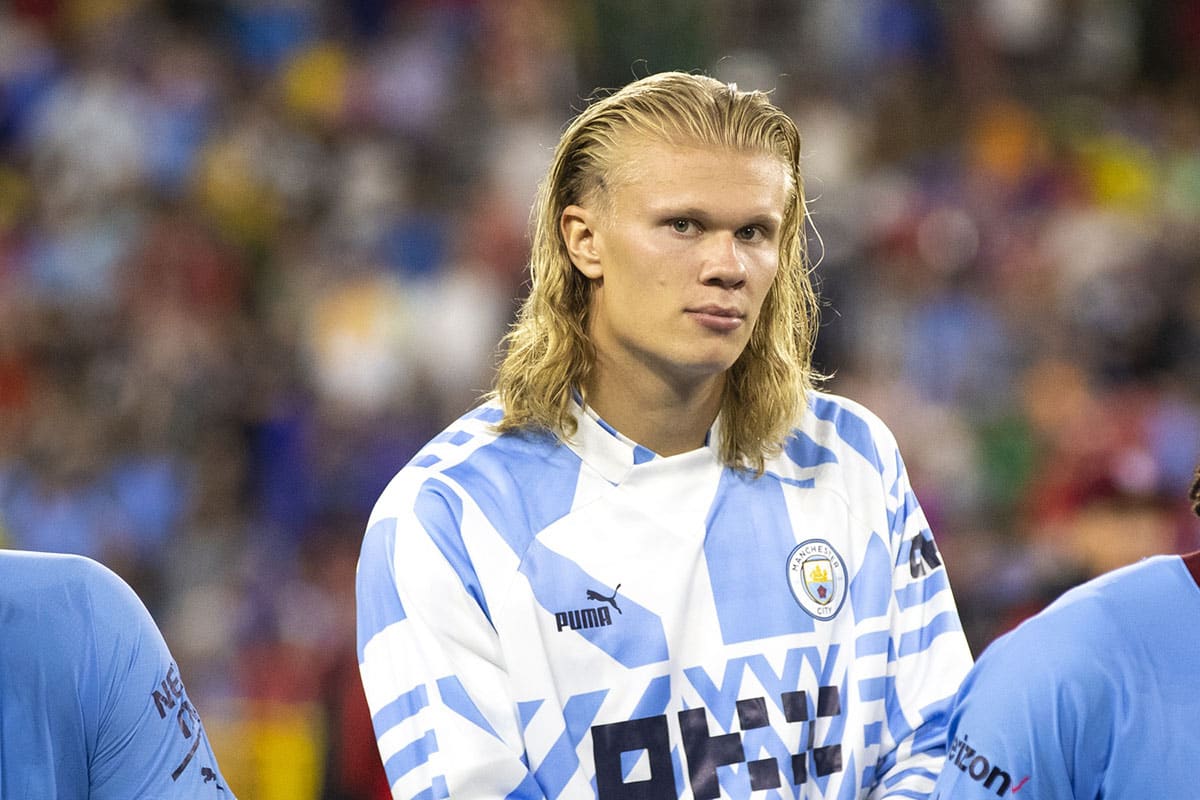
Norway is the most intriguing contender, as its potential is evident. Haaland can convert an average performance into a victory with one decisive strike, and he is no longer alone in this effort. Ødegaard brings creativity and leadership, Sørloth offers additional scoring options, Ryerson contributes energy and effective deliveries, and Antonio Nusa provides the width needed to challenge fatigued defenses.
In their most recent warm-up, Norway achieved a 1-1 draw against Morocco, one of the strongest tournament teams in recent years. After falling behind early, they rallied to equalize through Ødegaard, assisted by Oscar Bobb’s pass. This result should instill confidence, demonstrating their ability to adapt and apply late pressure even after facing adversity.
Norway’s key match is the opener against Iraq, and a victory would set up a critical clash against Senegal, potentially contesting for second place, or even more.
Conversely, a draw would have negative implications, particularly as they face France later in the group, and with Haaland’s ability to pose a threat to any opponent, Norway cannot afford to overlook this most winnable fixture.
Senegal should not be underestimated, as they have World Cup experience, speed, and a squad adept at playing physically in tournament settings. Sadio Mané stands as the emotional leader, while Kalidou Koulibaly anchors the defense with authority, and Ismaila Sarr provides direct pace.
The 3-2 friendly loss to the United States exposed both the strengths and weaknesses of Senegal, as they conceded goals too easily, falling behind 2-0, but displayed resilience by fighting back, thanks to Mane, making the match competitive before ultimately losing.
This combination of vulnerability and determination is both concerning and appealing; Senegal often remains competitive even when they seem defensively frail. Their upcoming match against Norway on June 22 could be pivotal in determining who secures the automatic qualification spots alongside France.
The clash features a stark contrast: Senegal’s physicality versus Norway’s technical skill and elite striker. If Senegal can disrupt Odegaard and limit service to Haaland, they stand a chance of winning, but if Norway manages to find a way through the center, Senegal may be forced to spend too much time defending their own goal.
Iraq enters the tournament as an underdog, but they are not merely along for the ride. Their 1-1 draw with Spain in La Coruna, even against a heavily rotated Spanish side, provided a significant confidence boost. Merchas Doski’s equalizer and Iraq’s compact defensive performance demonstrated their ability to frustrate stronger opponents.
Although Spain dominated possession, they struggled to create clear scoring opportunities, a strategy that Iraq will aim to replicate in Group I. Aymen Hussein serves as a reliable reference point up front, while Ali Jasim and Ali Al-Hamadi add movement and support in attack.
The challenge for Iraq lies in whether they can endure three matches against opponents with varying strengths: Norway’s direct scoring threat, France’s depth, and Senegal’s physicality will each pose unique tests.
Despite these challenges, Iraq’s path to advancement is not impossible at all. If they can frustrate Norway in their opening match, they may create a survival scenario for all teams in the group, and their final match against Senegal could prove critical, especially if third place remains a viable option under the expanded format.
The prediction here is that France will likely win Group I, albeit with less ease than expected. Their squad is deep and experienced, making them a tough team to bet against, even after their defeat to the Ivory Coast.
Norway poses the strongest challenge for the top spot, thanks to Haaland, a match-winning striker no defense can fully contain, and Odegaard, who provides enough structure to maintain unpredictability, and probably at second place.
Senegal is expected to remain competitive for second or third place until the final round, while Iraq’s organization and emotional momentum could make them dangerous despite being the least likely to advance.
France appears indeed to have the most secure path to the top, but Norway emerges as a strong dark-horse candidate.
If Solbakken’s team secures a win against Iraq and handles the pressure against Senegal, their final match against France could become one of the tournament’s most intriguing group-stage encounters.
The post 2026 World Cup Group I predictions: Can dark horse Norway take France’s group? appeared first on ClutchPoints.