Trading De’Aaron Fox makes a lot of sense. Many blame him for the San Antonio Spurs’ 2026 NBA Finals loss. Fans want answers. Analysts search for scapegoats. Front offices feel pressure to prove they are taking decisive action. The logic appears straightforward. The Spurs struggled offensively in critical moments, Victor Wembanyama occasionally faced crowded driving lanes. Fox’s perimeter shooting limitations became a talking point throughout the series. Yet, trading Fox may also result in San Antonio sabotaging itself. Before they even consider moving an All-Star-caliber guard, the Spurs ought to remember that this group was two wins away from a championship. Maybe the smarter path is NOT a blockbuster trade, after all?
Execution, not talent
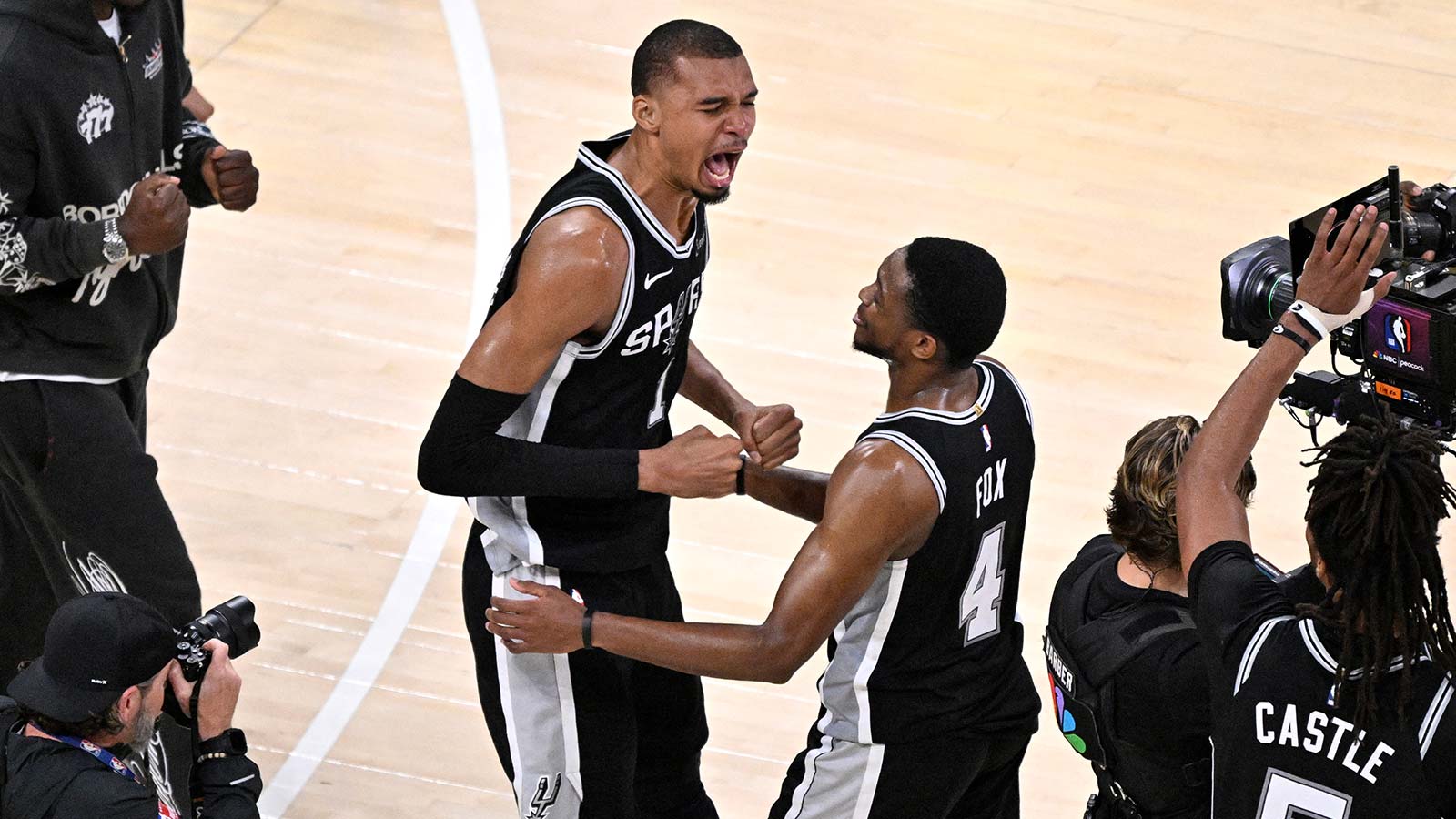
The Knicks ultimately secured the title with a gritty 94-90 victory in Game 5. They overcame a brilliant 25-point effort from Dylan Harper and a dominant defensive performance from Wembanyama. The clincher came on the heels of a devastating Game 4 collapse. That’s when San Antonio squandered a 29-point lead before OG Anunoby’s unforgettable putback winner shifted the momentum of the series.
Even earlier in the Finals, the margins were razor-thin. Game 2 slipped away after a crushing late-game turnover. Several possessions throughout the series could have altered the outcome entirely. The Spurs were beaten by a veteran team that executed slightly better during the biggest moments.
That matters because it changes the offseason conversation. Teams that are fundamentally broken need major changes. Teams that lose close Finals games may just need a bit of refinement.
Elite regular-season foundation
The strongest argument for keeping Fox begins with a simple number: 62. That was the number of victories San Antonio accumulated during the regular season. Building a roster capable of surviving the Western Conference gauntlet requires talent, chemistry, continuity, and health. Fox was central to all four.
His speed transformed the Spurs into one of the league’s most dangerous transition teams. His playmaking reduced pressure on younger teammates. Fox’s ability to create offense prevented opposing defenses from loading up exclusively on Wembanyama.
Should one disappointing Finals series erase eight months of evidence? Trading Fox after the first deep playoff run of this core might feel less like strategic planning and more like a panic move. The Spurs have already proven they can reach the Finals with this formula. Perhaps the logical next step is improving the formula, not dismantling it.
Point-of-attack defense
The Fox trade conversation often focuses exclusively on offense. That ignores one of his most important contributions, which is defense. Sure, Fox’s speed receives most of its attention on the offensive end. That same athleticism makes him a highly valuable perimeter defender. His ability to stay attached to elite guards helps protect the entire defensive structure.
If San Antonio trades Fox for a more offense-oriented shooter, it risks weakening its first line of defense. That could create a domino effect. More dribble penetration means more rotations. More rotations mean more physical strain on Wembanyama. That may increase injury risk and reduces his effectiveness over the course of a long season.
The truth is that Fox remains one of the Spurs’ most effective perimeter stoppers. That value should not be overlooked.
Young core, veteran star
The temptation to hand the keys entirely to Dylan Harper and Stephon Castle is understandable. Both showed tremendous growth throughout the playoffs. Harper’s Game 5 performance demonstrated his immense upside. Castle continued proving he belongs on the biggest stage. That said, playoff flashes and full-season responsibility are two entirely different challenges.
There is a major difference between thriving in select moments and carrying an offense through 82 games while facing every opponent’s best defensive game plan. Fox absorbs that burden.
Every night, opposing teams design schemes specifically to slow him down. Every night, he faces traps, blitzes, and defensive attention that younger players are still learning to handle. Removing Fox would immediately increase the pressure on Harper and Castle.
That may eventually happen anyway, but the key word is eventually. Player development works best when responsibilities are expanded gradually rather than dumped entirely onto young shoulders. Keeping Fox allows San Antonio’s future stars to continue growing in a stable environment.
Continuity move
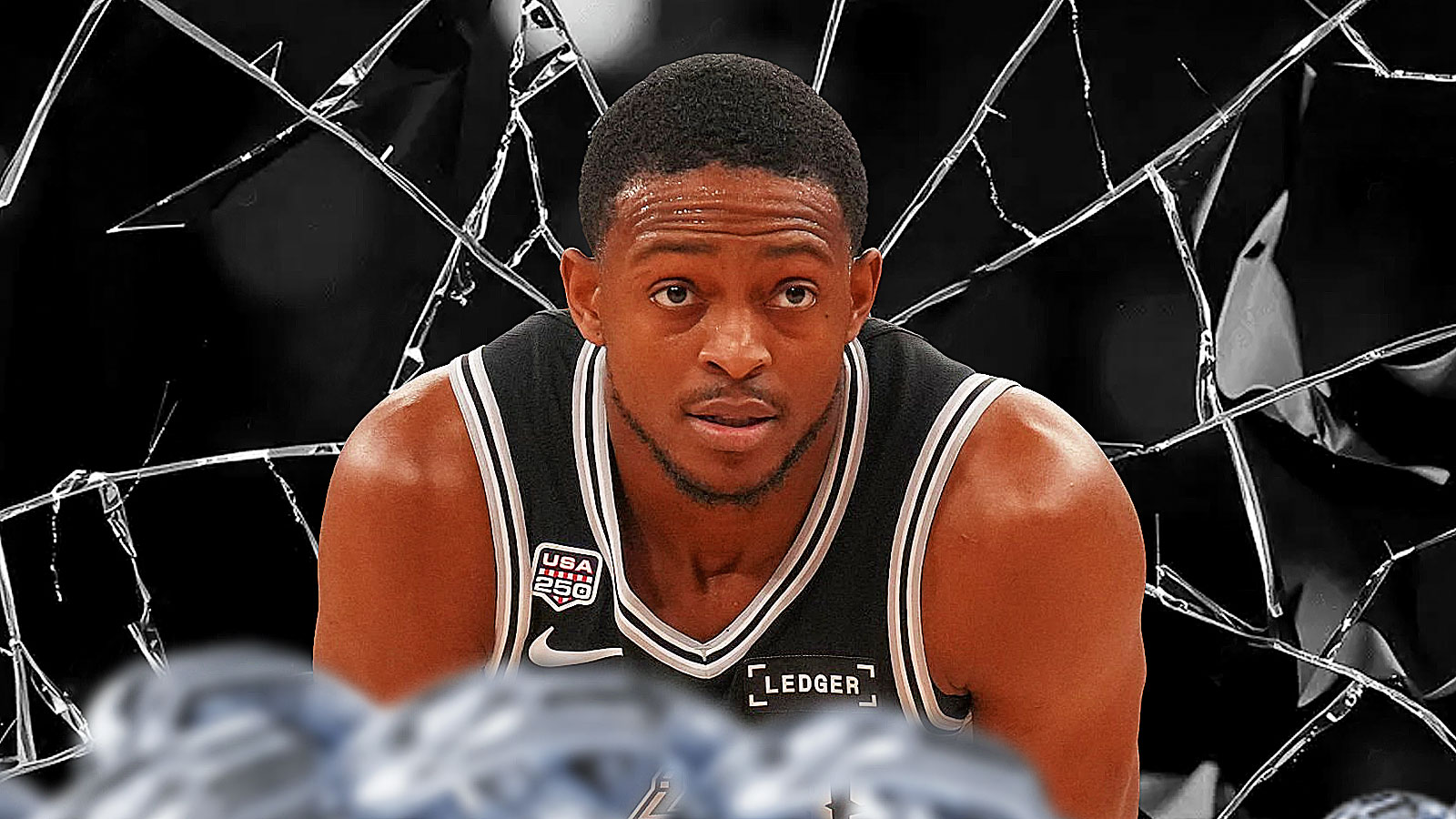
The most difficult decision for championship contenders is often resisting the urge to overreact.
The Spurs already possess a generational superstar. They already have an emerging young backcourt. They already reached the NBA Finals. This is not a franchise in crisis. In fact, they are still quite ahead of schedule.
Could San Antonio explore ways to improve its shooting and spacing? Absolutely. But moving Fox would create as many questions as answers.
The Spurs need growth, experience, and the scars that every future champion accumulates before reaching the mountaintop. The 2026 Finals loss was painful. Still, if San Antonio learns the right lessons from it, keeping De’Aaron Fox may ultimately prove to be the move that helps bring the Larry O’Brien Trophy back to the Alamo City in 2027.
The post The case for Spurs not trading De’Aaron Fox after NBA Finals disaster appeared first on ClutchPoints.