Every World Cup contender eventually faces tests its ambition. For the United States, that moment may have arrived far earlier than expected. The euphoria surrounding a spectacular opening victory has quickly been replaced by anxiety. Supporters now await news regarding Christian Pulisic’s availability for the crucial Group D clash against Australia. The American captain remains the emotional and tactical centerpiece of Mauricio Pochettino’s project. He is a player who can transform ordinary attacking sequences into moments of brilliance. Losing him, even temporarily, would undoubtedly alter the complexion of the USMNT’s game plan. The challenge now facing Pochettino is finding the best version of the United States without Pulisic.
Warning signs
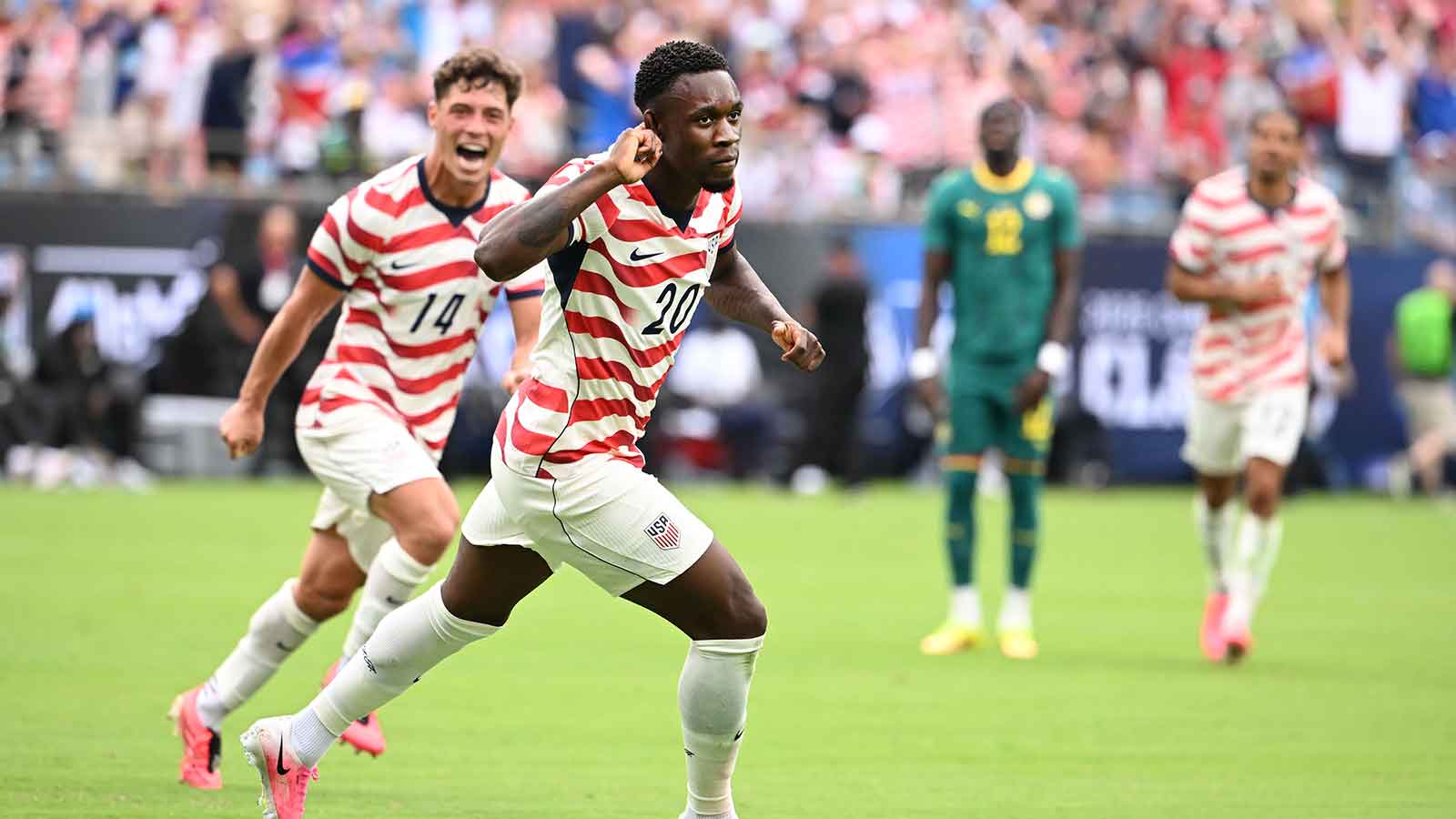
The Americans opened their campaign with a resounding 4-1 victory over Paraguay. They enjoyed complete dominance in the first half through an early breakthrough that forced an own goal from Damián Bobadilla.
Pulisic was at the center of nearly everything that followed. He dictated the rhythm of the contest and repeatedly stretched Paraguay’s defensive structure. His influence was perhaps best illustrated through a magnificent assist for Folarin Balogun. The latter went on to score a clinical first-half brace that effectively ended the competitive portion of the match before halftime.
Everything appeared to be unfolding perfectly for the tournament co-hosts. That is, until the captain failed to emerge from the locker room after the interval. Having absorbed a heavy challenge that aggravated a pre-existing calf issue, Pulisic was withdrawn as a precautionary measure.
Yes, the Americans still controlled large portions of the second half. That said, the absence of their most influential attacker was noticeable. Paraguay found more room to operate. They eventually pulled a goal back through Maurício in the 72nd minute.
The victory generated celebration. The injury concern, though, generated uncertainty.
Tactical flexibility
If Pulisic does rest against Australia in their second match, Pochettino has several tactical alternatives capable of preserving the team’s attacking threat. The most straightforward solution would involve replacing Pulisic with either Tim Weah or Brenden Aaronson. Both players can trouble Australian defenders, albeit in very different ways. Weah offers explosive pace and direct vertical running that can stretch defensive lines. Aaronson provides relentless energy and pressing intensity.
However, expecting either player to replicate Pulisic’s unique skill set would be unrealistic. Rather than forcing a direct replacement, though, Pochettino can adjust the overall architecture of the attack.
That adjustment could involve moving Giovanni Reyna into a primary playmaker role between the lines. Reyna’s vision and ability to operate in tight spaces make him ideally suited for greater responsibility. With that, wide players can focus on stretching Australia’s defensive shape and creating room for combinations through the middle. It would be different from the Pulisic-led version, but not necessarily less effective.
Maximizing alternatives
Perhaps the most encouraging development from the Paraguay victory was the continued emergence of Balogun. For years, the USMNT often struggled to find a reliable finisher. Balogun’s performance suggested those concerns may finally belong to the past. His movement, composure, and finishing instincts were exceptional against Paraguay.
Without Pulisic drawing constant double teams, the Americans can shift their emphasis toward direct progression through central areas. Tyler Adams and Weston McKennie can identify Balogun’s runs early and exploit Australia’s defensive gaps before they can fully organize.
This approach could prove particularly effective against the Socceroos. They prefer compact defensive structures and disciplined spacing between lines. Quick vertical transitions may create major openings for the co-hosts.
The fullbacks will also become increasingly important. Antonee Robinson, in particular, could assume a much larger attacking role. Rather than funneling attacks through one superstar, the United States would distribute responsibility across multiple channels. In many respects, that unpredictability could make them more difficult to prepare for.
Collective identity
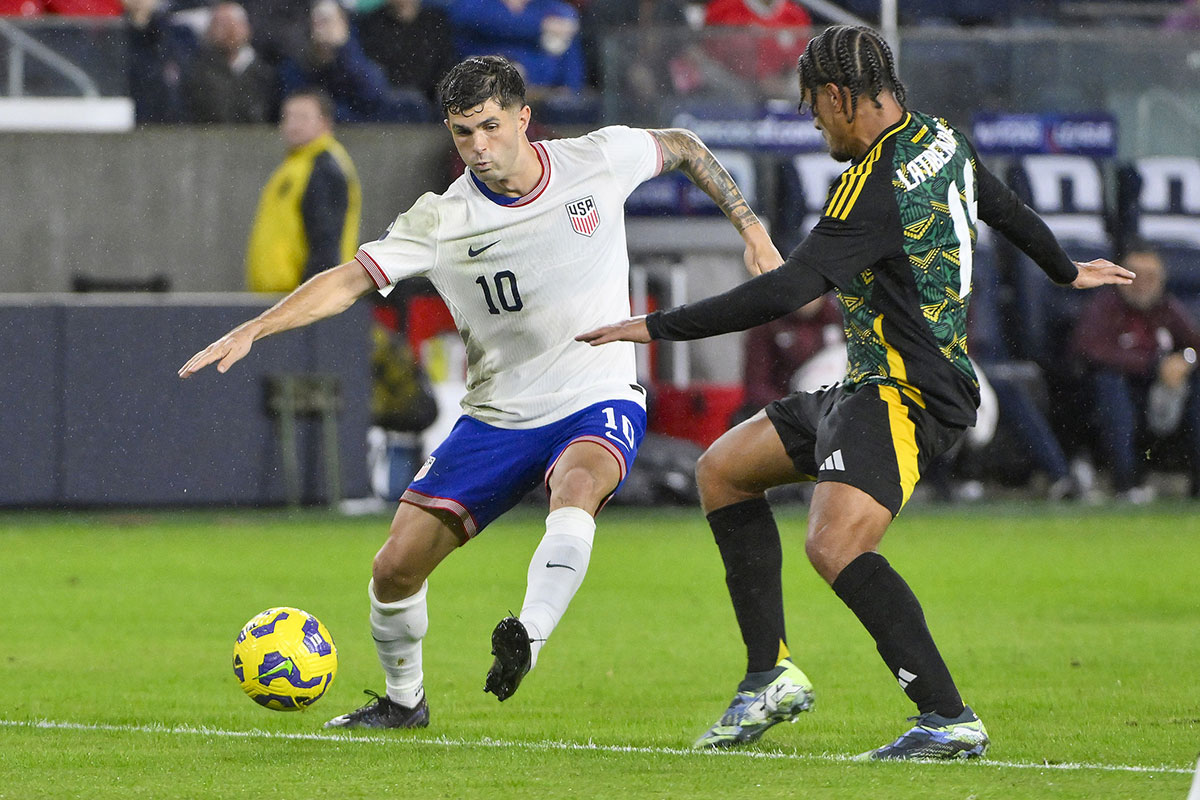
In each World Cup, the teams that endure are the ones capable of adapting without abandoning their identity. This moment offers the United States an opportunity to demonstrate precisely that quality.
Australia represents an ideal measuring stick. The Socceroos are disciplined, organized, and physically demanding. They just beat Turkiye, after all. Defeating them without Pulisic would require patience, tactical discipline, and collective execution. Those qualities matter more in the long run than any individual performance.
If Pulisic is unavailable, the mission does not become replacing him. The mission becomes maximizing the collective talent already present within the roster.
The United States would obviously prefer to have its captain available. There is no tactical adjustment capable of fully replacing a player of his caliber. Yet championship aspirations cannot hinge entirely on one individual’s health. If the USMNT hopes to establish itself among the world’s elite, it must prove it can overcome adversity without losing its identity.
The post USMNT’s plan if Christian Pulisic injury keeps him out of Australia World Cup match appeared first on ClutchPoints.